
West Africa

All About Liberia
What You Need to Know
Liberia is a coastal nation in West Africa with a unique historical foundation and a resilient national identity shaped by recovery and reform. Founded in the 19th century as a settlement for formerly enslaved people from the United States, Liberia’s history sets it apart on the African continent. Today, the country is focused on strengthening democratic institutions, rebuilding its economy, and expanding opportunity after years of conflict and public health crises.
Liberia at a Glance
Capital: Monrovia
Population: ~5.4–5.6 million
Official Language: English
Government: Presidential republic
Economy: Agriculture- and services-led, with mining and maritime registry
Key Strengths: Democratic continuity, Atlantic access, natural resources
Regional Role: Post-conflict recovery model and regional peace contributor
Why Liberia Matters
Liberia matters because of its distinctive history and its role in post-conflict recovery in West Africa. After emerging from two civil wars and the Ebola epidemic, the country has made important strides in democratic governance and institutional rebuilding. Liberia’s progress—and remaining challenges—offer valuable lessons for peacebuilding, reconciliation, and development across the region.
Geography and Location
Liberia is located in West Africa, bordered by Sierra Leone to the northwest, Guinea to the north, Côte d’Ivoire to the east, and the Atlantic Ocean to the south.
The country’s geography includes coastal plains, dense tropical rainforests, and inland plateaus. Liberia’s forests form part of the Upper Guinean Forest ecosystem, one of the most biologically diverse regions in West Africa.
People and Society
Liberia has a population of approximately 5.4–5.6 million people and is ethnically diverse, with more than a dozen indigenous groups alongside descendants of Americo-Liberians.
English is the official language, while Liberian English and numerous local languages are widely spoken. Christianity is the predominant religion, alongside Islam and traditional belief systems.
Urbanization is increasing, particularly around Monrovia, while much of the population remains engaged in agriculture and informal economic activity.
A Brief Historical Context
Liberia was founded in 1822 by the American Colonization Society as a settlement for freed African Americans and declared independence in 1847, making it Africa’s first republic.
For much of its history, political and economic power was concentrated among Americo-Liberian elites. Tensions culminated in a military coup in 1980, followed by two devastating civil wars between 1989 and 2003.
Since the end of conflict, Liberia has focused on reconciliation, rebuilding institutions, and democratic consolidation, including peaceful transfers of power through elections.
Government and Politics
Liberia is a presidential republic with a multiparty political system. Elections are competitive, and democratic institutions have strengthened since the end of the civil war.
Governance challenges remain, particularly around corruption, service delivery, and economic management, but civic engagement and media freedom are relatively strong compared with regional peers.
Economy: Agriculture, Resources, and Recovery
Liberia’s economy is centered on agriculture, services, and natural resources. Key agricultural products include rubber, cocoa, coffee, and palm oil. Mining—particularly iron ore—also plays an important role.
Liberia hosts one of the world’s largest maritime registries, making shipping services a notable source of revenue. Development priorities include:
- Expanding agricultural productivity and value chains
- Strengthening infrastructure and energy access
- Supporting small businesses and employment
- Improving public financial management
Economic diversification remains a key long-term goal.
Trade, Diplomacy, and Regional Influence
Liberia is a member of the Economic Community of West African States (ECOWAS) and has contributed troops to regional peacekeeping missions.
Its Atlantic ports and political engagement support regional trade and diplomacy, particularly in post-conflict stabilization efforts.
Tourism and Natural Heritage
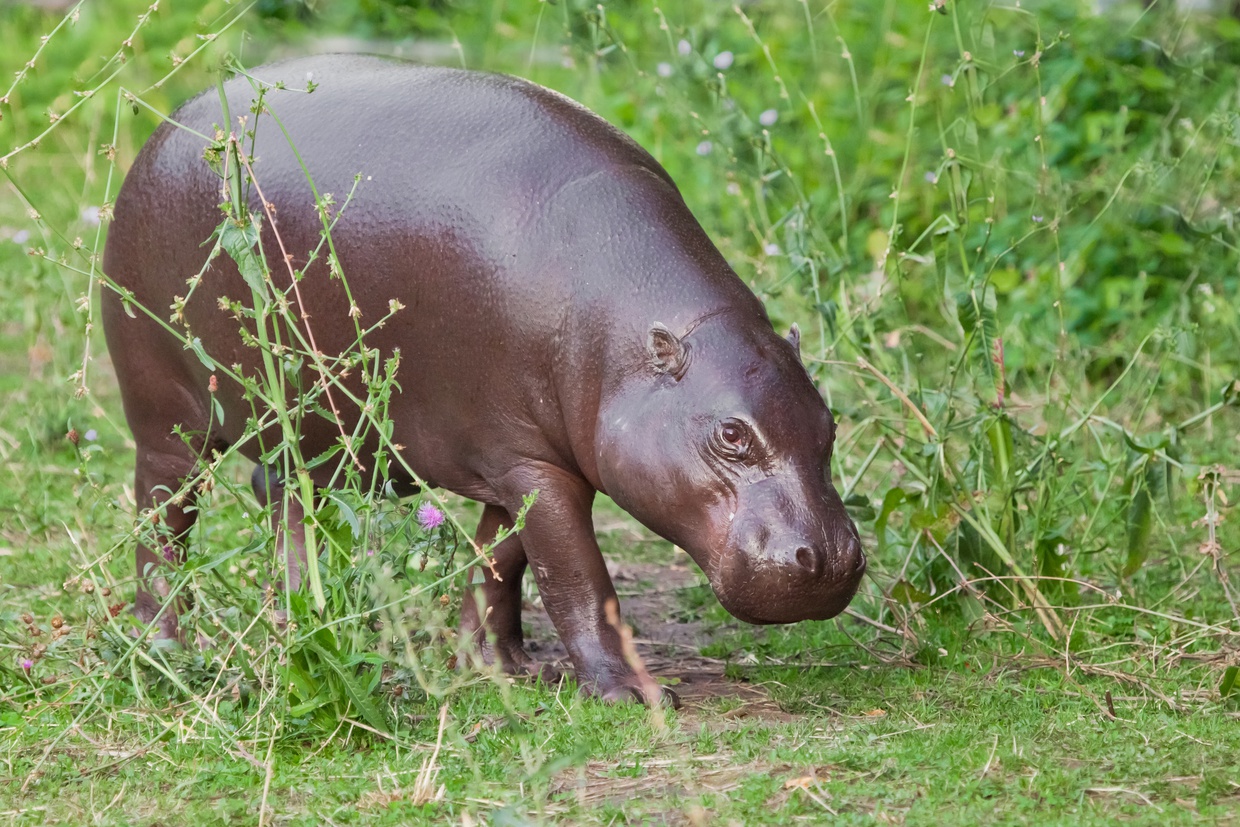
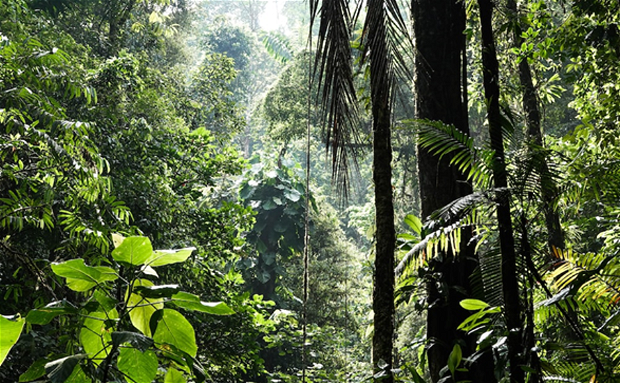

Tourism in Liberia is developing slowly but holds promise. Natural attractions include Sapo National Park, pristine Atlantic beaches, and rainforest ecosystems.
Robertsport has gained attention for surfing, while cultural and historical sites in Monrovia reflect the country’s distinctive past.
Safety and Travel Considerations
Liberia is generally considered stable, particularly in urban centers. Infrastructure remains limited outside major cities, and travelers are advised to plan carefully, exercise normal caution, and follow local guidance.
Culture and Daily Life
Liberian culture is shaped by music, storytelling, and strong community ties. Cultural expression blends indigenous traditions with influences from the African diaspora.
Daily life centers on family, markets, agriculture, and informal trade, with resilience and adaptability defining social life.
Sports and National Identity
Football is Liberia’s most popular sport and a key source of national pride. The country’s sporting identity is closely associated with George Weah, Africa’s only Ballon d’Or winner, whose legacy remains influential across generations.
More Countries — West Africa


