
East Africa

All About Malawi
What You Need to Know
Malawi is a landlocked nation in Southeast Africa known for its strong sense of community, agricultural foundation, and vast freshwater resources. Often referred to as the “Warm Heart of Africa,” Malawi is shaped by social cohesion and resilience in the face of economic and climate challenges. Anchored by Lake Malawi—one of Africa’s great lakes—the country is focused on strengthening food security, expanding energy access, and building long-term economic resilience.
Malawi at a Glance
Capital: Lilongwe
Population: ~21–22 million
Official Languages: English, Chichewa
Government: Presidential republic
Economy: Agriculture-led with growing services sector
Key Strengths: Lake Malawi, fertile land, social cohesion
Regional Role: Southern Africa lake state and agricultural contributor
Why Malawi Matters
Malawi matters for its role in regional food systems, freshwater stewardship, and democratic continuity. While facing development constraints, the country offers important lessons in community resilience, agricultural dependence, and climate adaptation—issues that are increasingly central across Southern and Eastern Africa.
Geography and Location
Malawi is located in Southeast Africa, bordered by Zambia to the west, Tanzania to the north, and Mozambique to the east and south. The country is long and narrow, stretching along the western shore of Lake Malawi, which dominates its eastern boundary.
The landscape includes fertile valleys, highland plateaus, and mountain ranges such as Mount Mulanje. Lake Malawi supports fisheries, transport, tourism, and livelihoods for millions.
People and Society
Malawi has a population of approximately 21–22 million people, most of whom live in rural areas and rely on smallholder farming. Major ethnic groups include the Chewa, Lomwe, Yao, Tumbuka, and Ngoni.
English is the official language, while Chichewa is widely spoken nationwide. Christianity is the predominant religion, alongside Islam and traditional beliefs, particularly in southern regions.
Community networks, faith institutions, and extended families play a central role in social life.
A Brief Historical Context
The area that is now Malawi was part of pre-colonial trade networks linking Central and East Africa. In the late 19th century, Britain established control over the territory, then known as Nyasaland.
Malawi gained independence in 1964 under Hastings Kamuzu Banda, who ruled for three decades under a one-party system. In 1994, the country transitioned to multiparty democracy, marking a major political shift that continues to shape governance today.
Government and Politics
Malawi is a presidential republic with a competitive multiparty political system. Elections are regularly held, and the judiciary has played a notable role in upholding constitutional processes.
Political debate focuses on economic management, corruption, public services, and agricultural policy.
Economy: Agriculture, Vulnerability, and Reform
Malawi’s economy is heavily dependent on agriculture, which employs most of the population. Tobacco has historically been the main export, alongside tea, sugar, and legumes.
Key economic priorities include:
- Strengthening food security and crop diversification
- Expanding irrigation and energy infrastructure
- Supporting smallholder farmers and agribusiness
- Building resilience to climate variability
Limited industrialization and exposure to external shocks remain major constraints.
Trade, Diplomacy, and Regional Influence
Malawi is a member of the Southern African Development Community (SADC) and relies on regional transport corridors for access to ports and markets. It participates in regional initiatives on food security, water management, and climate adaptation.
Tourism and Natural Assets

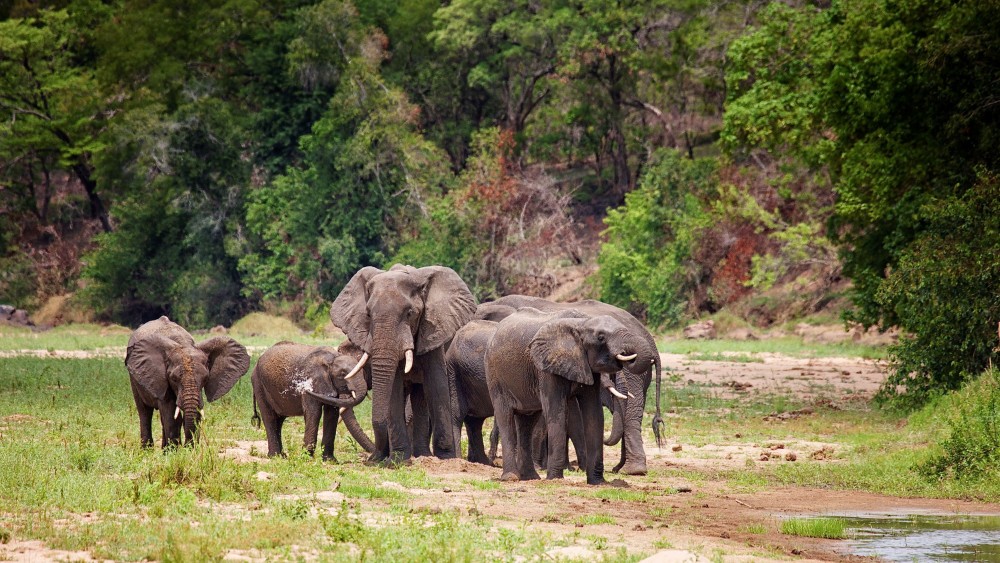
Tourism in Malawi centers on Lake Malawi, known for its clear waters, beaches, and unique freshwater fish species. National parks such as Liwonde and Nyika support wildlife tourism, while Mount Mulanje attracts hikers and climbers.
Eco-tourism and community-based tourism are key areas of opportunity.
Safety and Travel Considerations
Malawi is generally considered safe for visitors and is known for its welcoming population. Travelers should plan for limited infrastructure outside major towns and be mindful of health, weather, and transport conditions.
Culture and Daily Life
Malawian culture emphasizes hospitality, music, and community. Traditional dances, storytelling, and church life are central to social interaction.
Daily life revolves around farming, markets, and family networks, with strong traditions of mutual support.
Sports and National Identity
Football is Malawi’s most popular sport and an important source of national pride. Netball and athletics are also widely followed, contributing to youth engagement and national identity.


