
West Africa

All About Niger
What You Need to Know
Niger is a vast, landlocked Sahelian nation in West Africa, defined by its desert landscapes, youthful population, and strategic position at the heart of the Sahel. Stretching from the Niger River in the southwest deep into the Sahara Desert, Niger has long been shaped by trans-Saharan trade, pastoral livelihoods, and environmental extremes. Today, the country is navigating political transition, security pressures, and development challenges while seeking to unlock its demographic and natural resource potential.
Niger at a Glance
Capital: Niamey
Population: ~27–28 million
Official Language: French
Government: Military-led transitional government
Economy: Agriculture- and resource-led
Key Strengths: Uranium resources, young population, Sahelian trade routes
Regional Role: Central Sahel state influencing regional security and migration dynamics
Why Niger Matters
Niger matters because of its geographic scale, demographic growth, and role in Sahelian stability. With one of the world’s fastest-growing populations and significant uranium reserves, Niger sits at the intersection of energy supply, climate vulnerability, and regional security. Its political and economic trajectory has implications for West Africa, North Africa, and Europe, particularly around migration, energy, and counterterrorism.
Geography and Location
Niger is located in West Africa, bordered by Algeria and Libya to the north, Chad to the east, Nigeria and Benin to the south, and Burkina Faso and Mali to the west.
More than three-quarters of the country lies within the Sahara Desert. Population and economic activity are concentrated in the south and southwest, especially along the Niger River, which supports agriculture, trade, and urban life.
People and Society
Niger has a population of approximately 27–28 million people and is one of the youngest societies in the world. Major ethnic groups include the Hausa, Zarma-Songhai, Tuareg, Fulani, and Kanuri.
French is the official language, while Hausa, Zarma, and other national languages are widely spoken. Islam is the predominant religion and plays a central role in social and cultural life.
Most Nigeriens live in rural areas and depend on agriculture, livestock, and informal trade, making livelihoods highly sensitive to climate variability.
A Brief Historical Context
Historically, Niger was part of major trans-Saharan trade networks linking West Africa to North Africa and the Mediterranean. Powerful pre-colonial societies and nomadic confederations shaped the region’s political and cultural landscape.
France colonized the territory in the late 19th century, and Niger gained independence in 1960. Since independence, the country has experienced periods of civilian rule and military intervention, often influenced by droughts, economic pressures, and regional insecurity.
Government and Politics
Niger is currently governed by a military-led transitional authority following a coup. Political institutions are in transition, with debates ongoing about constitutional order, security, and economic governance.
Strengthening stability, restoring civilian rule, and addressing public trust remain key political challenges.
Economy: Agriculture, Uranium, and Vulnerability
Niger’s economy is among the least diversified globally and is heavily dependent on agriculture and livestock, which employ most of the population. Uranium mining is the country’s most important export and a key source of foreign revenue.
Key economic priorities include:
- Improving food security and climate resilience
- Expanding access to energy and infrastructure
- Strengthening governance of the extractive sector
- Supporting education and youth employment
Frequent droughts, rapid population growth, and insecurity continue to constrain development.
Trade, Diplomacy, and Regional Influence
Niger is a member of the Economic Community of West African States (ECOWAS) and the African Union, though relations with regional partners have been affected by recent political developments.
Its location makes Niger a critical transit country for trade, migration, and security cooperation across the Sahel.
Tourism and Cultural Heritage


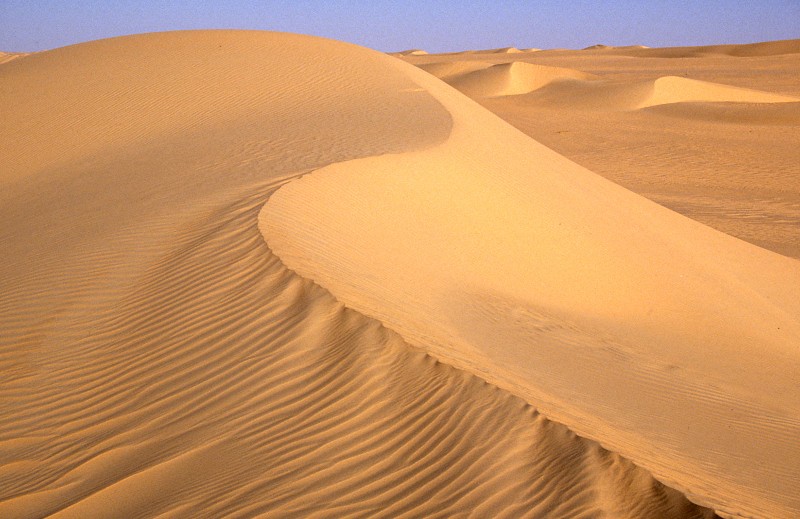
Tourism in Niger is currently limited due to security conditions, but the country holds significant cultural and natural heritage. Agadez, a UNESCO World Heritage Site, reflects Niger’s role in trans-Saharan trade, while the Aïr Mountains and Ténéré Desert are among the Sahara’s most striking landscapes.
Long-term tourism potential is tied closely to improvements in security and infrastructure.
Safety and Travel Considerations
Security conditions vary widely and remain challenging, particularly outside major urban centers. Most international travel advisories recommend avoiding non-essential travel. Any travel requires careful planning and up-to-date local guidance.
Culture and Daily Life
Nigerien culture is deeply influenced by Sahelian traditions, Islamic scholarship, and nomadic heritage. Music, storytelling, and communal life remain central to social identity.
Daily life often revolves around agriculture, livestock, markets, and extended family networks, with resilience and adaptability essential to community survival.
Sports and National Identity
Football is Niger’s most popular sport and an important source of national pride. Traditional sports and cultural festivals also play a role in strengthening community ties and national identity.
More Countries — West Africa


