
East Africa

All About Seychelles
What You Need to Know
Seychelles is a small island nation in the Indian Ocean celebrated for its pristine natural environment, political stability, and high human development indicators. Located northeast of Madagascar, Seychelles has leveraged conservation, tourism, and sound governance to build one of Africa’s highest-income economies. With limited land and resources, the country emphasizes sustainability, the blue economy, and environmental stewardship.
Seychelles at a Glance
Capital: Victoria
Population: ~100,000
Official Languages: English, French, Seychellois Creole
Government: Presidential republic
Economy: Services-led, dominated by tourism and fisheries
Key Strengths: Environmental conservation, stable institutions, blue economy leadership
Regional Role: Indian Ocean tourism and marine conservation leader
Why Seychelles Matters
Seychelles matters because it demonstrates how small island states can achieve prosperity through good governance, environmental protection, and economic focus. Its leadership in marine conservation, climate advocacy, and sustainable tourism gives it influence well beyond its size, particularly in global discussions on oceans and climate resilience.
Geography and Location
Seychelles is located in the Indian Ocean, about 1,500 kilometers east of mainland Africa. The country consists of 115 islands, divided into granitic inner islands and coral outer islands.
The main islands—Mahé, Praslin, and La Digue—are mountainous and lush, while the outer islands are low-lying and ecologically sensitive. Coral reefs, lagoons, and marine biodiversity define the country’s natural landscape.
People and Society
Seychelles has a population of roughly 100,000 people, reflecting African, European, and Asian ancestry. This multicultural heritage shapes language, cuisine, and social life.
Seychellois Creole is widely spoken in daily life, alongside English and French. Christianity is the predominant religion, and social indicators such as literacy and life expectancy are among the highest in Africa.
A strong social welfare system and investment in education have supported social cohesion.
A Brief Historical Context
Uninhabited until the 18th century, Seychelles was settled by the French and later administered by Britain. The islands developed as a plantation economy using enslaved labor.
Seychelles gained independence in 1976. After a period of one-party rule, the country transitioned to multiparty democracy in the early 1990s and has since maintained political stability.
Government and Politics
Seychelles is a presidential republic with regular elections and functioning democratic institutions. Political competition exists within a stable constitutional framework.
Governance priorities include economic diversification, environmental protection, and fiscal management.
Economy: Tourism, Fisheries, and the Blue Economy
Seychelles has one of Africa’s highest per-capita incomes. The economy is driven primarily by tourism, which supports employment, foreign exchange earnings, and infrastructure development.
Other key sectors include:
- Fisheries and tuna processing
- Financial and professional services
- Renewable energy and ocean-based industries
The country has positioned itself as a global advocate of the blue economy, balancing growth with marine conservation.
Trade, Diplomacy, and Regional Influence
Seychelles is a member of the African Union, the Southern African Development Community (SADC), and the Indian Ocean Commission. Despite its size, it plays an active diplomatic role in climate negotiations, maritime security, and conservation initiatives.
Tourism and Natural Heritage

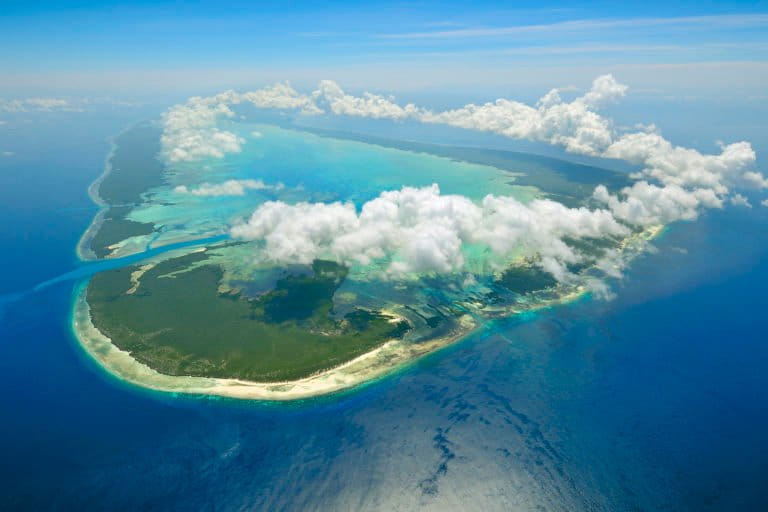
Tourism is central to Seychelles’ identity and economy. Iconic beaches, coral reefs, and protected areas draw visitors from around the world. The Vallée de Mai and Aldabra Atoll are UNESCO World Heritage Sites, highlighting the country’s ecological importance.
High-value, low-impact tourism is a core national strategy.
Safety and Travel Considerations
Seychelles is widely regarded as safe for visitors, with reliable infrastructure and services. Travelers are advised to follow environmental guidelines and standard precautions.
Culture and Daily Life
Seychellois culture blends African, European, and Asian influences, expressed through music, dance, cuisine, and festivals. Daily life is closely connected to the sea, family, and community.
A relaxed pace of life and strong environmental awareness define the national character.
Sports and National Identity
Water sports, sailing, and fishing are popular, reflecting the island setting. Football is also widely followed and contributes to community life and national pride.


