What You Need to Know
Mauritius is a small island nation in the Indian Ocean known for its political stability, diversified economy, and multicultural society. Located east of Madagascar, Mauritius has transformed itself from a mono-crop, sugar-dependent economy into one of Africa’s most successful upper-middle-income countries. Long shaped by trade, migration, and global connectivity, the country is widely regarded as a model for governance, economic reform, and inclusive growth in Africa.
Mauritius at a Glance
Capital: Port Louis
Population: ~1.3 million
Official Language: English
Government: Parliamentary republic
Economy: Diversified, led by services, manufacturing, and tourism
Key Strengths: Political stability, strong institutions, financial services, human capital
Regional Role: Indian Ocean financial, trade, and services hub
Why Mauritius Matters
Mauritius matters because it demonstrates how good governance, openness, and long-term planning can drive development in a small, resource-constrained country. With strong legal institutions, a skilled workforce, and global trade links, Mauritius plays an outsized role as a financial and business gateway between Africa, Asia, and the wider world.
Geography and Location
Mauritius is located in the Indian Ocean, approximately 2,000 kilometers off Africa’s southeastern coast, east of Madagascar. The country consists primarily of the main island of Mauritius, along with Rodrigues and several smaller islands.
The island is of volcanic origin, featuring a central plateau surrounded by coastal plains, lagoons, and coral reefs. This geography supports tourism, agriculture, and marine ecosystems, while also shaping settlement and infrastructure.
People and Society
Mauritius has a population of about 1.3 million people and is one of Africa’s most multicultural societies. Its population reflects African, Indian, Chinese, and European ancestry, shaped by centuries of migration and trade.
English is the official language of government, while French and Mauritian Creole are widely spoken in daily life. Hinduism, Christianity, Islam, and Buddhism are all practiced, often side by side, contributing to social cohesion and cultural pluralism.
High literacy rates and investment in education have supported human development and economic diversification.
A Brief Historical Context
Mauritius was uninhabited until European contact in the 16th century. It was successively colonized by the Dutch, French, and British, each leaving lasting cultural and institutional legacies.
The island gained independence from Britain in 1968 and became a republic in 1992. Since independence, Mauritius has maintained democratic governance and peaceful transfers of power, enabling consistent economic and social development.
Government and Politics
Mauritius is a parliamentary republic with a strong record of democratic governance. Power alternates peacefully through regular elections, and institutions such as the judiciary and civil service are widely regarded as effective.
Political stability has been a cornerstone of Mauritius’s economic success and investor confidence.
Economy: Diversification and Global Integration
Mauritius has one of Africa’s most diversified and resilient economies. While sugar was once dominant, the economy has expanded into multiple sectors, including:
- Financial and professional services
- Tourism and hospitality
- Manufacturing and textiles
- Information and communication technology
- Seafood processing and the blue economy
Mauritius has positioned itself as an international financial center and a gateway for investment into Africa.
Trade, Diplomacy, and Regional Influence
Mauritius is an active member of the African Union, the Southern African Development Community (SADC), and the Indian Ocean Commission. Its foreign policy emphasizes economic diplomacy, trade facilitation, and multilateral cooperation.
The country has developed strong ties with Africa, Europe, and Asia, reinforcing its role as a bridge economy.
Tourism and Island Heritage
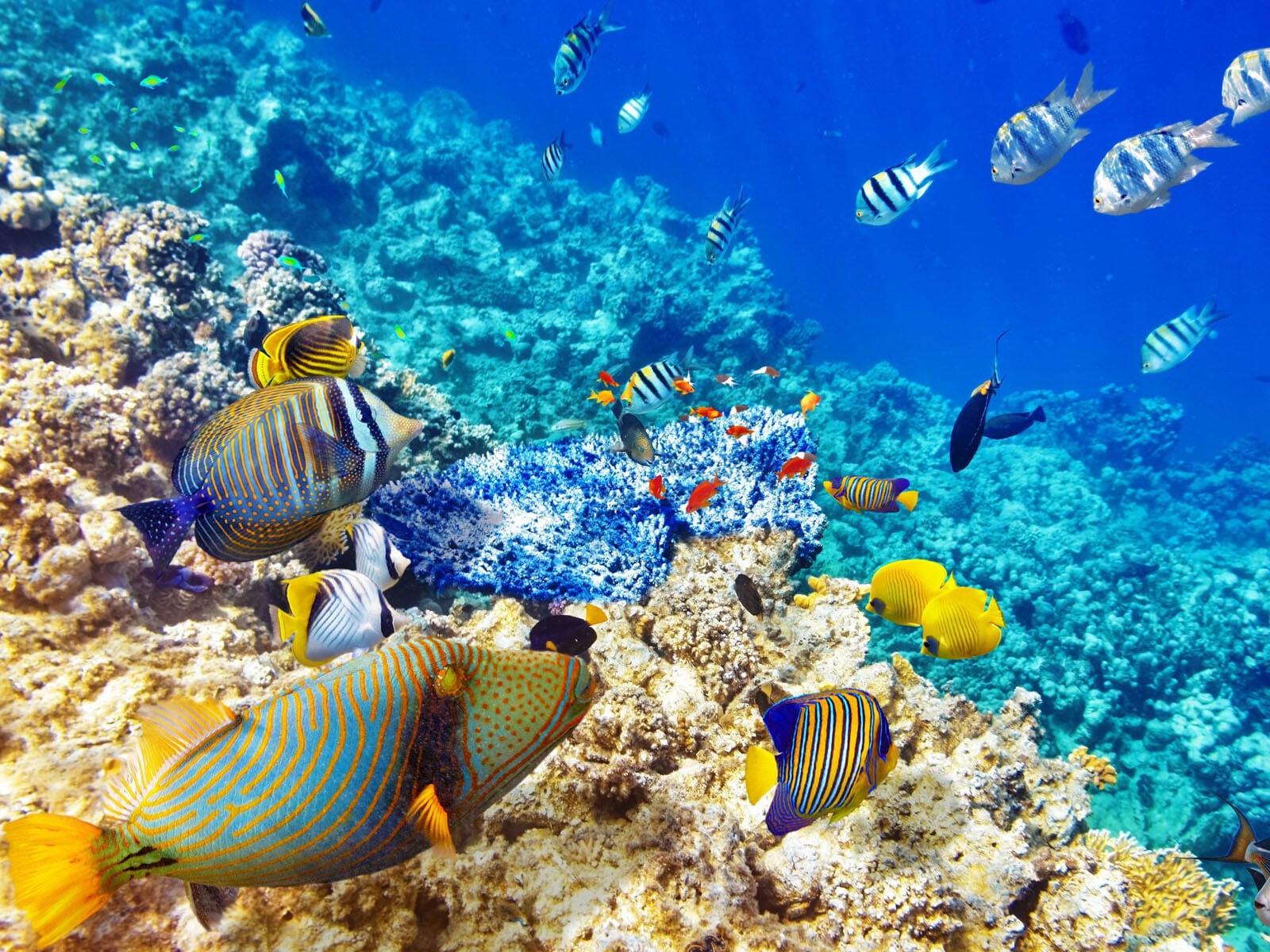

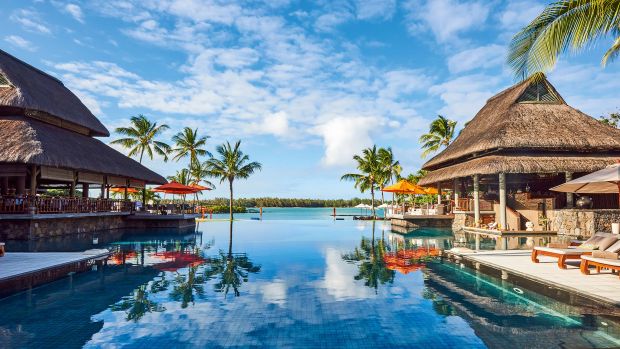
Tourism is a cornerstone of Mauritius’s economy. Visitors are drawn to its beaches, lagoons, coral reefs, and mountain landscapes. Le Morne Brabant, a UNESCO World Heritage Site, is a powerful symbol of resistance and freedom, as well as a major tourist attraction.
Eco-tourism, cultural tourism, and luxury travel all play important roles in the sector.
Safety and Travel Considerations
Mauritius is widely considered one of Africa’s safest destinations, with well-developed infrastructure and services. Travelers generally experience few security concerns, though normal precautions are advised.
Culture and Daily Life
Mauritian culture is defined by diversity, tolerance, and shared national identity. Music, food, and festivals reflect the island’s multicultural roots, blending African, Indian, Chinese, and European influences.
Daily life balances modern urban living with strong family and community traditions.
Sports and National Identity
Football is widely followed in Mauritius, alongside cricket and athletics. Sports and community events contribute to social cohesion and national pride.