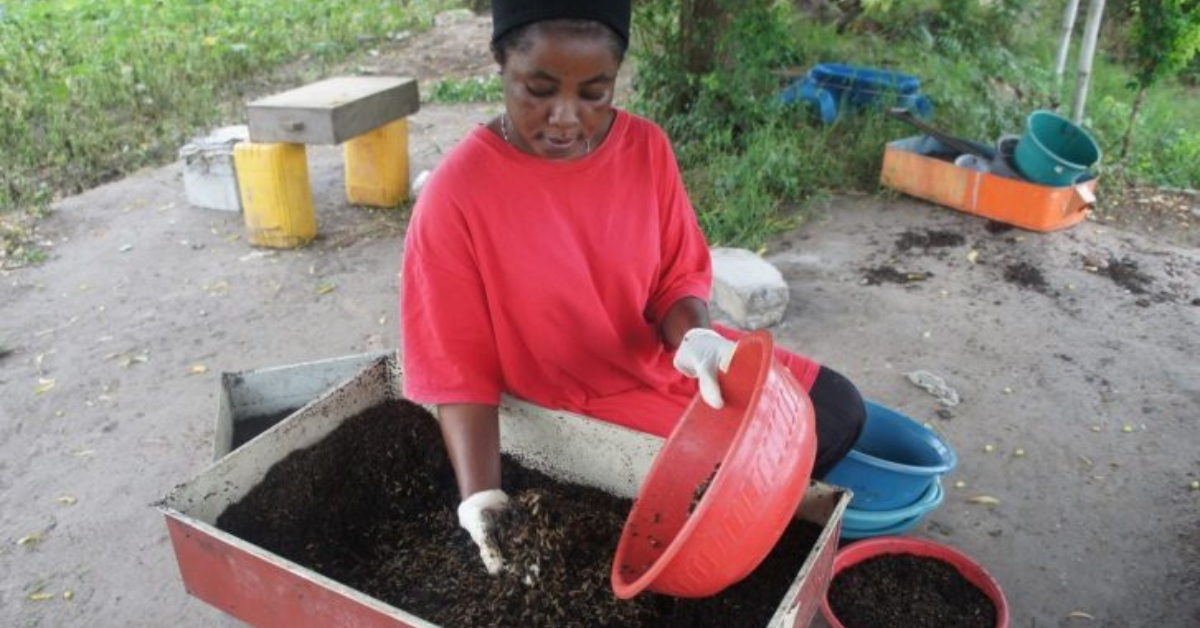
Native to the African continent, the baobab is known as the “tree of life” and is found from South Africa to Kenya to Senegal. Zimbabwe has about 5 million of the trees, according to Zimtrade, a government export agency. The United States legalised the import of baobab powder as a food and beverage ingredient in 2009, a year after the European Union. Together with China, they now account for baobab powder’s biggest markets. The Dutch government’s Centre for the Promotion of Imports says the global market could reach $10 billion by 2027. The growing industry is on display at a processing plant in Zimbabwe, where baobab pulp is bagged separately from the seeds for various uses. Outside the factory, the hard shells are turned into biochar, an ash given to farmers for free to make organic compost and improve soil fertility.
Tuesday, June 16, 2026 - 05:33:25
Loading weather…