By Kojo Richman
When I first arrived in Johannesburg as a West African, what stood out most was the marketing.
Big posters. Big names. Big parties.
From the outside, it looked like nightlife here was driven by spectacle. Headline DJs. Packed venues. Hype-first energy.
That language made sense to me. It’s familiar across many major cities. So I assumed that was the full picture of Jozi after dark.
But once I stepped inside the rooms, once I stopped reading flyers and started watching the dance floor, I realised something different.
Johannesburg’s nightlife wasn’t only about parties.
It had depth. It had history. And for many people rooted in the culture here, it has always been about gatherings.
Discovering What Was Already There
Coming from West Africa, music has always meant participation to me. Afrobeats spilling into streets. Highlife at family events. Dance floors that don’t need instructions. You don’t just attend. You join.
When I began spending more time in Johannesburg’s cultural spaces beyond the mainstream party circuit, I saw that same communal instinct here.
Jazz rooms stretching into the early hours. House sessions that feel almost spiritual. Dance circles without stages. Spaces where rhythm feels intentional rather than programmed.
People who have been building in Jozi’s cultural scene for years often tell me, “This isn’t new.”
And the more I listened, the more I understood.
What looks like a shift is, for many, a return.
Spectacle vs Substance
There is still appetite for energy. Afrobeats. Amapiano. Dancehall. Gqom. That hasn’t changed.
But what feels different now is the framing.
In conversations with DJs and organisers deeply involved in Johannesburg’s culture space, I hear a consistent sentiment. Nightlife is leaning back toward being cultural gatherings rather than just spectacles or money-driven events.
Not anti-commercial. Just less transactional.
The spirit of Fela Kuti’s performances was immersive, rhythmic, communal. South Africa carries its own lineage in figures like Hugh Masekela and the township jazz movement, where music and gathering were inseparable.
When live horns enter a modern Jozi venue, or when a dance floor fills before midnight without being forced, it doesn’t feel like reinvention.
It feels aligned.
A Continental Room in a Johannesburg Setting
Johannesburg is a meeting point.
On one floor you might hear Kizomba glide into Afrobeats. Then Afrohouse settles the rhythm. Then Gqom closes the night with weight.
The crowd reflects that blend. Nigerian. Ghanaian. Congolese. Zimbabwean. South African. Moving differently but together.
As a West African living and curating in Jozi, that layering feels natural. It mirrors how many of us live now – multiple influences, one shared rhythm.
The dance floor becomes a small continent.
Smaller Rooms, Deeper Energy
Another thing I have observed is scale.
Some of the most meaningful nights I have experienced in Johannesburg are not the largest ones. They are rooms capped at 150 or 200 people.
There is accountability in intimacy. The energy circulates. People make eye contact. They move together rather than around each other.
People who have been part of this city’s cultural fabric, longer than I have, often remind me that this intimacy has always existed here.
What might look new is often memory resurfacing.
Not a New Direction, A Remembered One
From my perspective, this does not feel like a revolution.
It feels like refinement.
A reminder that African nightlife has always been rooted in gathering. That before VIP sections and viral drops, there was rhythm and community.
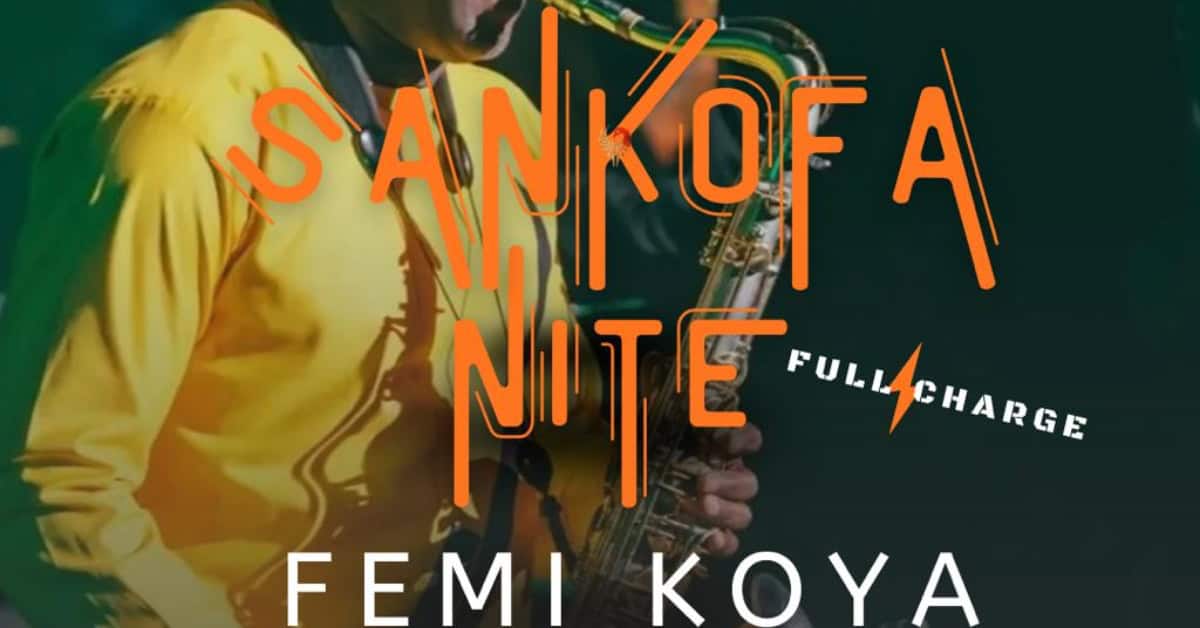
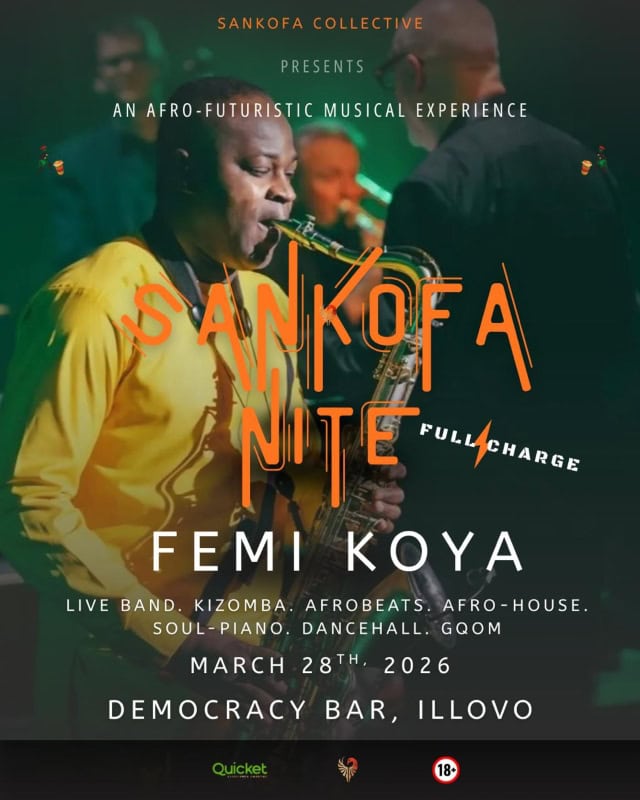
On 28 March, Sankofa Nite is simply my contribution to that refinement, blending Kizomba, Afrobeats, Dancehall, Afrohouse, and Gqom with live Afrobeat instrumentation and dance activation.
Not to define where Johannesburg nightlife is going.
But to participate in what has always been here.
When I first arrived, I saw the spectacle.
Now, I see the gathering.
And when the rhythm is right, people come together.
That part has never changed.