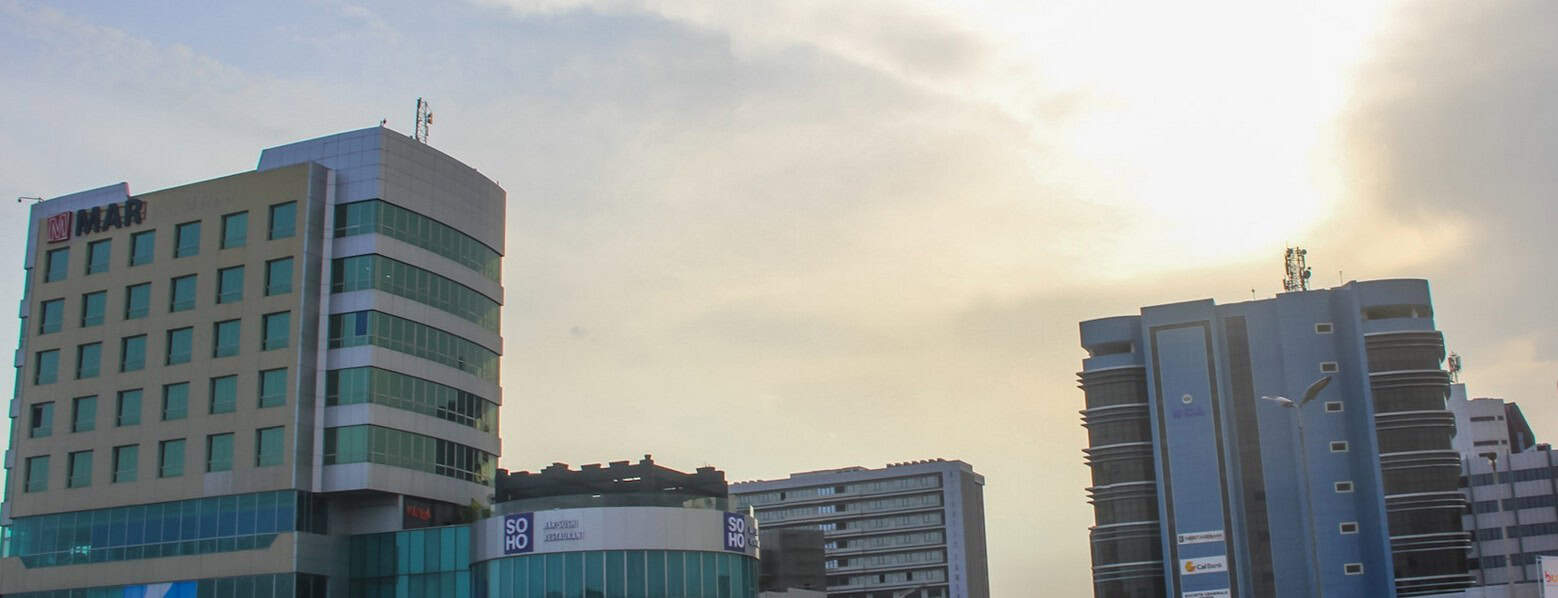
Ghana’s rapidly expanding cities are heating up as concrete replaces wetlands and tree cover, intensifying the urban heat island effect. In Accra, temperatures have climbed about 1°C since the 1960s, with densely built neighborhoods recording the highest discomfort, especially for informal workers exposed to the sun all day. Research across communities like Madina and Osu shows that residents increasingly describe afternoons as “unbearable,” linking rising heat to weak urban planning and vanishing green space. With more than half of Ghanaians now living in cities, the stakes are high. Drawing lessons from greener models like Singapore, experts argue Ghana must treat trees as essential infrastructure—not decoration—if it hopes to build cooler, healthier, and more resilient urban futures. Crucially, the government must protect existing canopies, mandate green space in new developments, and provide shade in places where people work and walk.
The Conversation