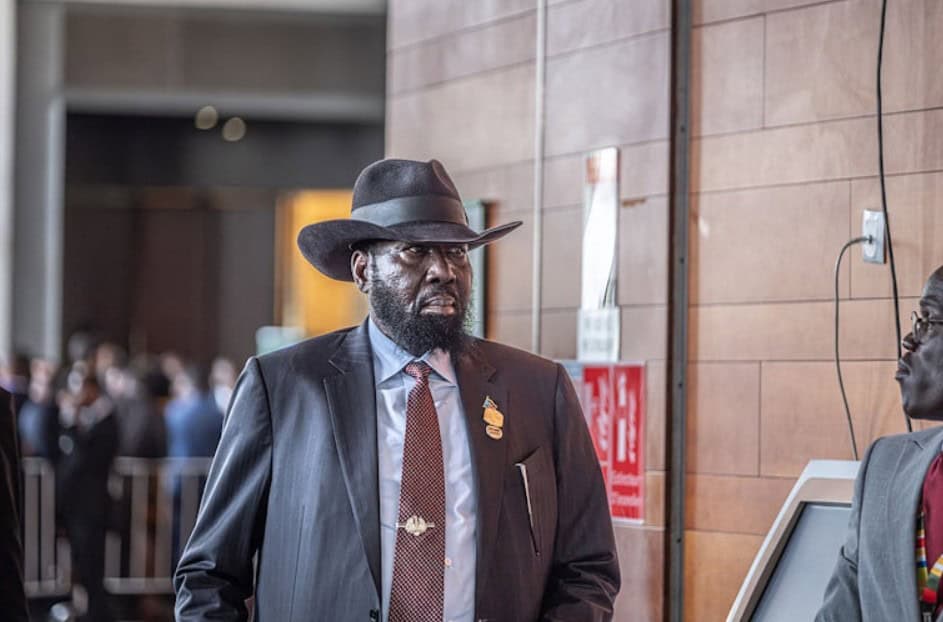
South Sudan is approaching a critical juncture as it prepares for its first-ever general elections since gaining independence in 2011. The absence of a historical precedent for the democratic transfer of power has turned the legal framework for presidential succession into a high-stakes security issue. In the absence of an election, two legal frameworks exist for the transfer of power if the presidential seat were to become vacant. The transitional constitution outlines the following ways in which the presidency can become vacant: expiration of the term of office, resignation, impeachment, mental infirmity, physical incapacity, or death. Under the frameworks, the first vice-president will assume the presidency upon vacancy. However, the party in power has to nominate a new president within 48 hours, who will then replace the acting first vice-president. These rules give President Salva Kiir and the ruling SPLM elite the advantage of incumbency and control over the transitional mechanisms, allowing them to dictate the pace of the political calendar.
The Conversation