Hargeisa is a city of particular pride. Its streets are named after battles. Its currency — the Somaliland shilling, accepted nowhere outside its own borders — is printed with images of a freedom the rest of the world has largely refused to formally acknowledge. Since 1991, when Somaliland declared its independence from Somalia after a catastrophic civil war, it has run its own elections, maintained its own courts, and kept a fragile peace in one of the world’s most volatile regions. It has waited, with remarkable dignity, for someone to notice.
In December 2025, someone finally did. Israel became the first and, as of this writing, only United Nations member state to formally recognise the Republic of Somaliland’s independence. For Hargeisa, it was the most concrete vindication in three and a half decades of trying. The world, almost without exception, condemned the move.
Somalia’s federal government raged. Turkey, China, Egypt, and Saudi Arabia condemned it. The African Union urged Israel to reverse its decision. And yet in the corridors of Hargeisa’s presidential palace, there was something else: a quiet sense that a door, long sealed, had finally come open.
The Appointment
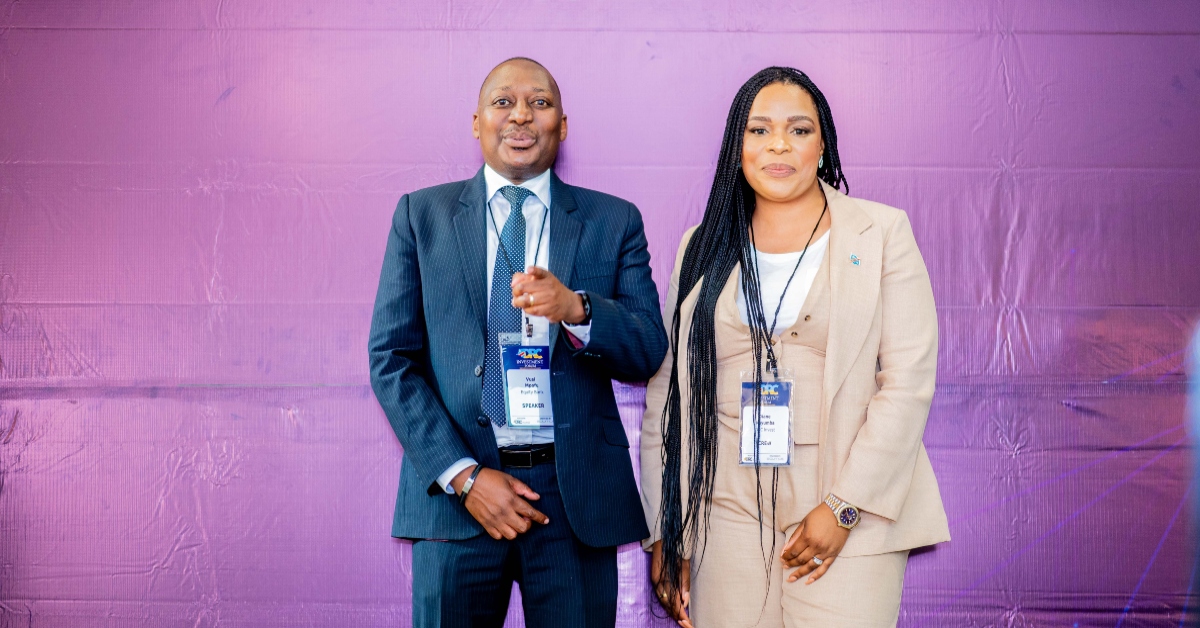
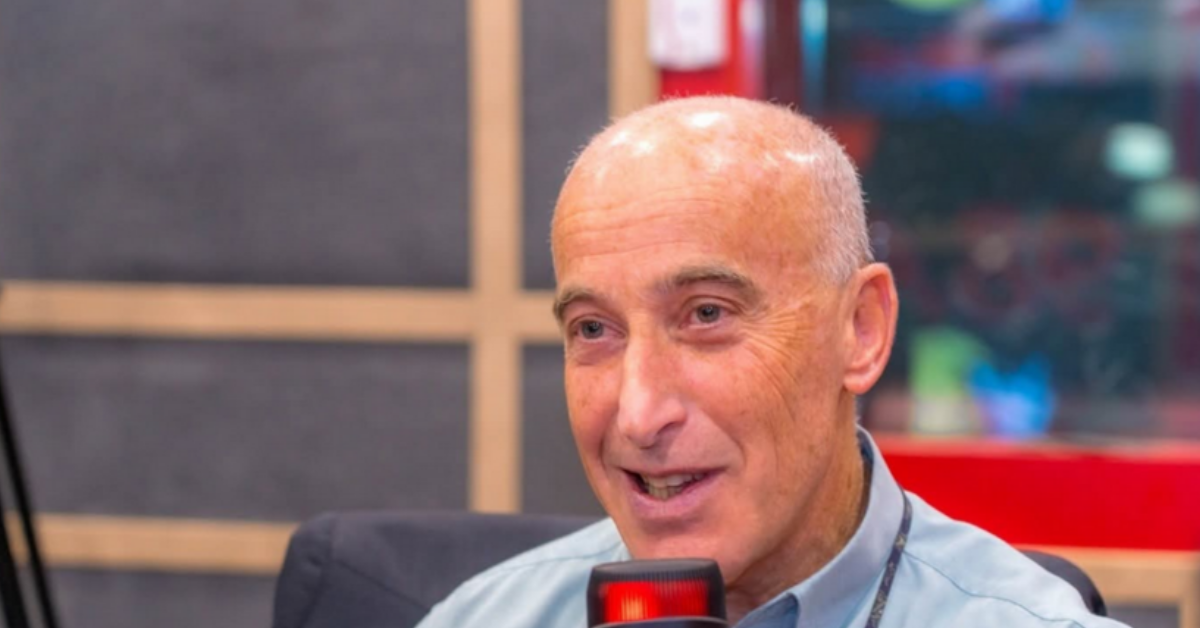
On April 15, 2026, Israel appointed Michael Lotem as its first non-resident ambassador to Somaliland. Lotem, a veteran diplomat who had previously served as Israel’s ambassador to Kenya, Azerbaijan, and Kazakhstan, represents the formalisation of what had already been rapidly developing as a working relationship. The appointment came months after Somaliland had already dispatched its own first ambassador — Dr. Mohamed Haji, an adviser to Somaliland’s President Abdirahman Mohamed Abdullahi — to Tel Aviv in February 2026.
Israeli Foreign Minister Gideon Sa’ar had visited Hargeisa in January 2026, becoming the most senior Israeli diplomat to set foot in Somaliland. During the visit, Sa’ar offered a pointed comparison: ‘Unlike Palestine, Somaliland is not a virtual state,’ he said, arguing that Somaliland’s 35 years of self-governance under international norms made recognition not only defensible but obligatory. It was a remark designed to provoke — and it did.
What Somaliland Gains
For Somaliland, the exchange of ambassadors is not merely symbolic. It is the first bilateral diplomatic architecture it has ever possessed with a UN member state. The practical dimensions are already taking shape. Israel’s international development agency, MASHAV, has begun running technical training courses for Somaliland’s Water Authority — a direct intervention in a country where approximately one-third of the capital’s residents lack access to running tap water. Broader cooperation has been announced in agriculture, health, and technology.
There is a strategic dimension that extends well beyond water pipes. Speculation has circulated that Israel is interested in establishing a military presence in Somaliland, given the territory’s commanding position near the Gulf of Aden and the Bab el-Mandeb strait — one of the world’s most significant shipping chokepoints. Somaliland’s minister of the presidency confirmed that Hargeisa was open to hosting Israeli forces, even as Yemen’s Houthi rebels and Al-Shabaab militants warned that such a presence would make Somaliland a legitimate target.
The Wider Calculation
For Israel, isolated by the Gaza war and facing unprecedented international opprobrium, Somaliland represents something useful: a willing partner in a region where partnerships are scarce, and a strategic foothold in the Horn of Africa at a moment when Red Sea security has become a global preoccupation. For Somaliland, the relationship offers international visibility, development assistance, and — perhaps most importantly — a proof of concept: that recognition, however partial, is achievable.
Whether other countries will follow Israel’s lead is the question Hargeisa’s government is now asking quietly in every diplomatic encounter. The consensus answer, for now, is: not yet. But the calculation has changed. Recognition once seemed impossible. Now it has happened once. And things that happen once have a tendency to happen again.
In Hargeisa, they have learned to be patient. They have also learned that patience, eventually, has a reward.