
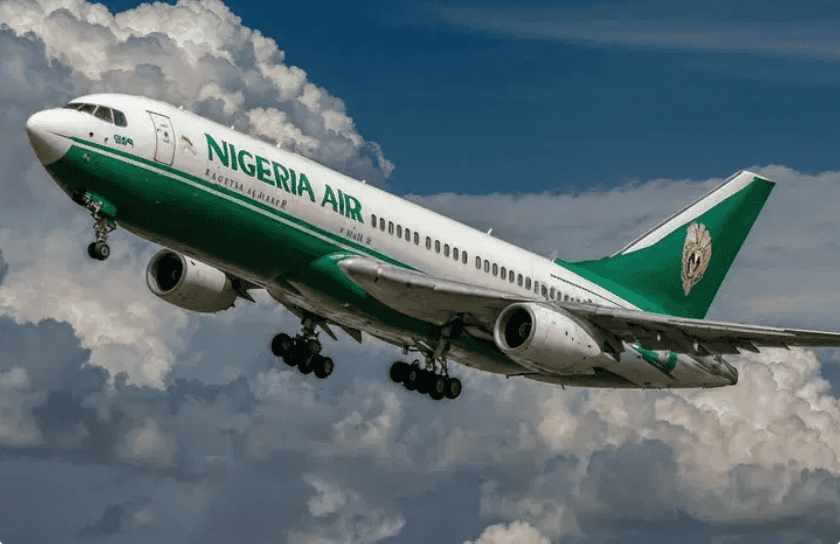
Nigeria’s aviation minister has appealed directly to domestic airlines not to suspend operations or impose steep fare increases despite a more than 270 percent surge in jet fuel prices triggered by the Iran war.
In a letter dated April 16 and seen by Reuters, the minister acknowledged the “crippling” pressure on carriers but warned that any shutdown or sharp fare hike would carry “far-reaching adverse implications for the national economy.” The Airline Operators of Nigeria (AON) had threatened to halt all domestic flights from April 20 unless fuel marketers drastically cut prices. The group accused local marketers of artificial inflation and unsustainable profiteering.
Jet A1 prices have skyrocketed from around N900 per litre in late February to N3,300 per litre today, far outpacing movements in global crude oil benchmarks. At least one domestic carrier has already suspended operations since mid-March because of the cost crisis. The government has called an emergency meeting for April 22 involving airlines and marketers to find an immediate resolution.
Nigeria’s aviation sector is vital for business travel, tourism, medical evacuations, and inter-state commerce in Africa’s most populous nation. A prolonged disruption would hurt logistics, strand passengers, cost jobs, and weaken already fragile supply chains. Airlines say they cannot absorb the full cost without passing it on to travelers or grounding fleets entirely. Raising ticket prices to match fuel costs, however, risks slashing passenger numbers and further damaging revenues.
The crisis stems directly from the Iran conflict’s disruption of global energy markets. As a net oil importer for refined products despite being a major crude producer, Nigeria remains exposed to international price volatility and local supply bottlenecks. Fuel marketers cite higher import costs, currency pressures, and logistics challenges as reasons for the steep rise. Operators counter that the increase is disproportionate and partly artificial.
Aviation experts warn that the standoff could ripple far beyond the airport tarmac. Banks that finance aircraft leases and maintenance face heightened default risks. Tourism operators in cities like Lagos, Abuja, and Kano report already declining bookings. Insecurity concerns could worsen if domestic connectivity weakens, as air travel is often the safest and fastest option across vast distances. The sector consumes about 2.1 million litres of jet fuel daily, making the price shock particularly acute.
The government’s intervention reflects the strategic importance of aviation to Nigeria’s broader economy. Officials are urging marketers to align prices more closely with international benchmarks while exploring short-term relief measures, such as targeted subsidies or foreign-exchange support for fuel imports. Yet analysts caution that temporary fixes may not address underlying structural issues, including refining capacity shortages and dependence on imported Jet A1.
If the April 22 meeting fails to produce a breakthrough, airlines could begin suspending flights as threatened. Such a move would mark the most significant disruption to domestic aviation in years and amplify the economic pain already felt from the Iran war’s energy shock. Broader sub-Saharan growth forecasts have been revised downward precisely because of these sustained high fuel costs.
The episode highlights a recurring vulnerability across oil-import-dependent African economies: global shocks arrive quickly, but domestic policy responses often lag. Nigeria’s size means the fallout would be felt continent-wide, affecting trade, investment, and regional connectivity. For now, the government and industry remain locked in urgent talks, with millions of travelers and businesses watching closely.