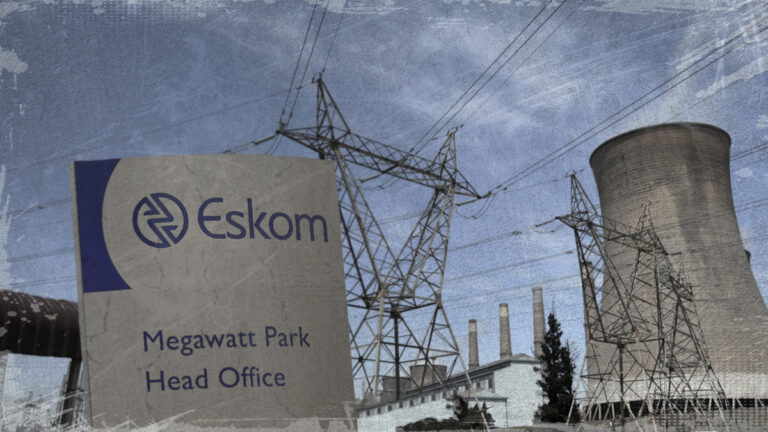
State power utility Eskom has concluded a three-year wage agreement with two major unions, offering 7 percent annual salary increases for bargaining-unit employees effective from July 2026.
Solidarity and the National Union of Mineworkers accepted the deal. The National Union of Metalworkers of South Africa rejected it and declared a deadlock, demanding a higher raise. The agreement mirrors the previous three-year pact (2023–2026), which also delivered 7 percent yearly hikes.
Eskom’s General Secretary Gideon du Plessis of Solidarity described the outcome as balanced amid the utility’s ongoing efforts to stabilize electricity supply after years of debilitating load-shedding. The deal covers thousands of workers and is expected to be formally signed in the Central Bargaining Forum in the coming days.
The wage settlement arrives as Eskom works to maintain reliable power generation. The utility has returned to profitability recently, but operational challenges persist. The 7 percent increase exceeds current inflation, estimated at 4-5 percent, adding to the cost base at a time when electricity tariffs remain a sensitive public issue.
Negotiations began last year and involved multiple rounds at the Central Bargaining Forum. NUM prioritized job security and accepted the offer despite an initial demand for 15 percent. NUMSA, citing disparities with executive pay and demanding at least 8 percent in the first year, has pushed back strongly. A deadlock declaration keeps the possibility of strike action alive, though both sides described earlier talks as constructive.
Labour peace is critical for South Africa’s energy future. Reliable electricity underpins every sector—from mining and manufacturing to households and small businesses. Prolonged tension at Eskom could undermine investor confidence, delay maintenance, and risk renewed load-shedding. The agreement provides certainty through 2029, allowing the utility to focus on grid stabilization and renewable integration.
Analysts note that the above-inflation rise will increase operational costs but buys industrial harmony at a pivotal moment. Eskom has made progress reducing unplanned outages, yet aging infrastructure and funding constraints remain. The wage deal signals willingness to balance worker needs with financial sustainability, though NUMSA’s rejection introduces uncertainty.
The broader labour relations climate in South Africa remains complex. Public-sector wage talks often set benchmarks for private industry, and energy-sector stability carries national economic weight. With Eskom still central to the country’s decarbonization push, harmonious labour relations could accelerate the transition to cleaner energy sources.
If NUMSA and Eskom resolve their deadlock without industrial action, the three-year deal would cover the entire bargaining unit and reinforce operational continuity. Should strikes materialize, however, the impact on power supply and the wider economy could be significant. For now, the acceptance by two major unions marks a step toward stability in a sector long plagued by disruption.
Formal signing is expected shortly. The agreement underscores the delicate balance required to keep South Africa’s lights on while addressing worker expectations in a high-inflation environment.