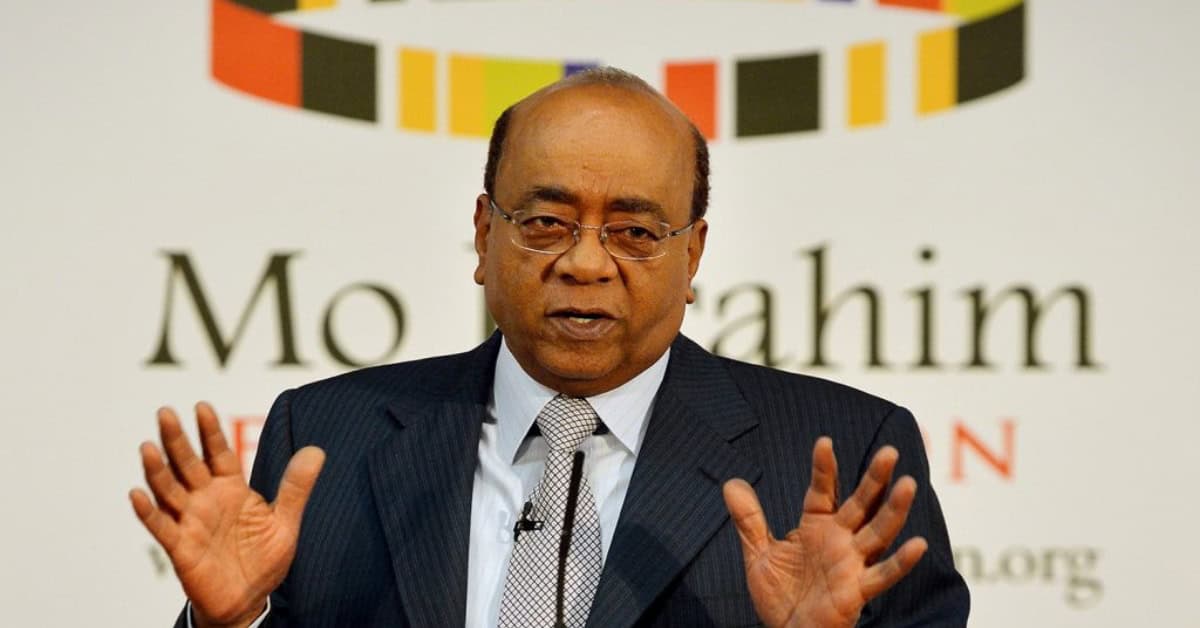

In a move that could reshape Kenya’s fiercely competitive beverage sector, East Africa’s richest man, Mohammed “Mo” Dewji, is preparing to challenge Coca-Cola and Pepsi head-on. The Tanzanian billionaire, whose net worth Forbes pegs at $2.1 billion (Sh271 billion), is investing Sh6.5 billion ($50 million) in a new soft-drinks plant in Mombasa through his conglomerate, Mohammed Enterprises Tanzania Limited (MeTL Group). The facility will produce MeTL’s signature affordable brands — Mo Cola, Mo Xtra, and Mo Malto — targeting price-sensitive consumers long overlooked by multinational giants.
Dewji, speaking on the sidelines of the Africa Forward Summit in Nairobi this week, confirmed the project is at the “drawing table” stage. “We cannot afford to ignore Kenya because it is the largest economy in our region,” he told Business Daily. “Yes, Kenya is more advanced, more competitive, but if you’re taking a long-term tenure, then it is definitely a country that you cannot ignore.” Construction could break ground within 12 months, with the company weighing a full greenfield build or possible acquisitions and mergers.
The strategy mirrors MeTL’s runaway success in Tanzania, where its low-cost beverages overtook Coca-Cola sales within a decade by offering 300ml bottles of Mo Cola for roughly Sh15 — less than half the industry average of Sh40 in Kenya. In a market where Coca-Cola and Pepsi dominate, local challengers have struggled. Kevian Kenya (Pick n Peel) holds just 4.8 percent share, while smaller players like Excel Chemicals and Highlands trail far behind. Analysts note that past entrants, including the once-promising Softa Bottling Company, collapsed under the weight of distribution battles and marketing muscle from the giants.
Stephen Mutoro, secretary-general of the Consumers Federation of Kenya, sees opportunity in the gap. “What is needed is a beverage product that focuses on poor consumers,” he said. “Most of the brands available do not cater for that consumer group. But also, fair trade practices will help a newcomer survive.”
MeTL’s entry is the latest in a wave of Tanzanian big-ticket investments in Kenya, including the acquisition of Bamburi Cement and expansions in LPG and energy. Dewji is also eyeing independent power production and hotel developments, capitalising on President William Ruto’s push to lease land for hospitality projects.
For Kenya, the plant promises jobs, technology transfer, and intensified competition that could lower prices. For East Africa’s business landscape, it underscores growing intra-regional capital flows and the rising clout of Tanzanian tycoons in Nairobi’s economy. Yet challenges remain: building deep distribution networks, sustaining marketing spend, and navigating regulatory hurdles in a market long accustomed to duopoly dominance.
Dewji, who built MeTL into one of Tanzania’s largest conglomerates serving everyday needs from sugar to fuel, is no stranger to disruption. His low-price model has already democratised soft drinks for millions of low-income Tanzanians. If the Mombasa plant delivers similar results, Kenya’s beverage aisles may soon look very different — and Coca-Cola’s regional supremacy could face its stiffest test yet.
The announcement comes as East African economies seek greater self-reliance and intra-African investment under the African Continental Free Trade Area. Dewji’s bet signals confidence in Kenya’s long-term growth despite short-term competitive pressures. Whether Mo Cola becomes a household name in Kenya remains to be seen, but one thing is clear: East Africa’s richest man is playing to win.