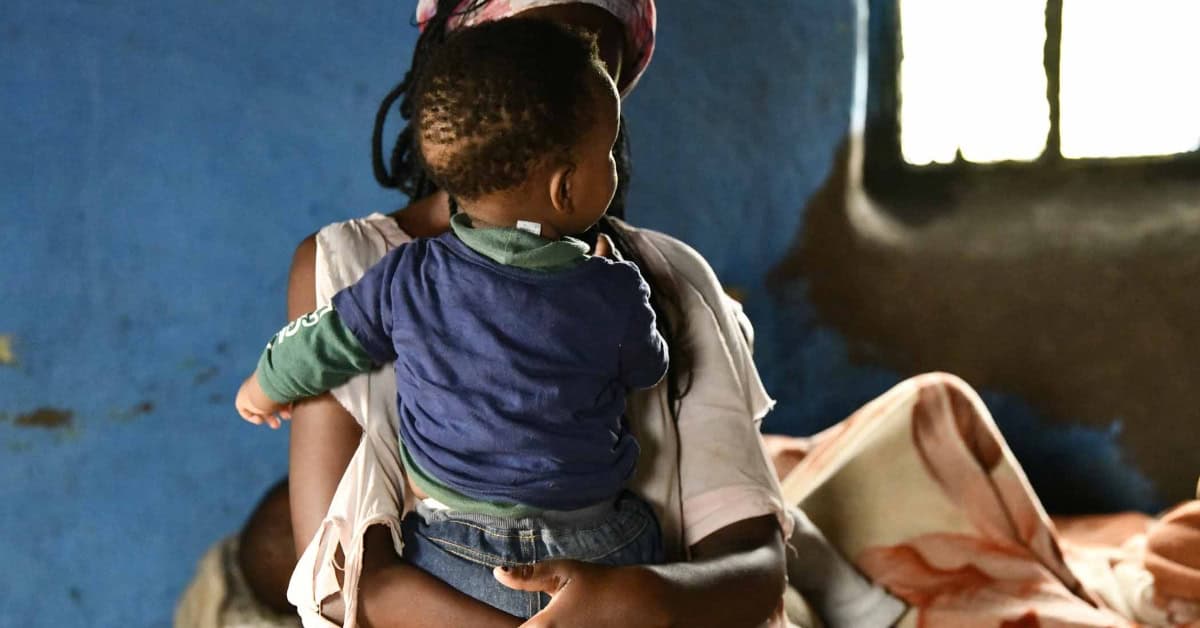
Parents and caregivers need to understand the importance of respiratory syncytial virus (RSV) prevention, recognise symptoms earlier, ask the right questions and seek care before illness becomes severe.
Respiratory syncytial virus (RSV) is one of the most common respiratory infections in babies and young children.¹ Most children will get it by the age of two.² In many cases it looks like a cold at first, with a runny nose, cough or mild fever. But RSV is also a leading cause of serious lower respiratory infection in infants and can progress to bronchiolitis, pneumonia, hospital admission and severe illness, especially in the first months of life.¹˒²
In South Africa, the burden is heaviest in very young babies. Infants younger than three months account for one-third of RSV-related lower respiratory tract infection hospitalisations in children under five.³ Infants younger than six months account for 95% of RSV-related lower respiratory tract infection deaths, with 26% of those deaths occurring outside hospital.⁴ That’s why RSV should not be dismissed as just another winter illness.
This message is especially timely, as South Africa’s RSV season is actively ongoing, having begun the week of 9 March 2026.”In an unusual development, the influenza season started in the same week. That means families and healthcare services may come under grater pressure from respiratory illness, making early awareness and timely care even more important for young babies.⁵
“Severe RSV is not limited to premature babies or infants with underlying medical conditions,” says Jean-Baptiste Bregeon, Head of Vaccines and Country Lead at Sanofi South Africa. “A large share of serious disease occurs in healthy babies born at term.⁶˒⁷ That’s why it’s difficult for parents and caregivers to gauge the severity of an RSV infection. A baby may appear to have a mild respiratory infection at first, then deteriorate quickly over a matter of hours and need medical care sooner than expected.”
Early symptoms may include a runny nose, cough, fever, irritability or poor feeding. As the infection moves into the lower airways, babies may start breathing faster, feeding less, sleeping more than usual, wheezing or working harder to breathe. Parents and caregivers should seek medical advice promptly if a baby is struggling to feed, seems unusually sleepy, is breathing fast, or shows any sign of breathing difficulty. In a very young infant, it’s safer to ask early than to wait for symptoms to become more obvious.²
This is particularly important in South Africa, where access to care is not always immediate. For many families, delays in getting help can happen because symptoms are mistaken for a mild cold, transport is not readily available, clinics are overcrowded, or a baby’s condition worsens after hours when primary care services are limited.
“Families need clearer, earlier guidance,” says Bregeon. “They need to know what RSV is, how quickly it can become serious in a young baby, which warning signs to look out for, and when to seek care immediately.”⁴˒²
Prevention can make a meaningful difference. Recent studies of newer infant RSV prevention strategies have reported strong reductions in severe outcomes, including hospital admission, intensive care admission and acute respiratory failure. Recent real-world evidence has shown strong reductions in severe RSV outcomes, including 80.5% effectiveness against RSV-related hospitalisation, 84.6% against severe RSV disease, 80% against RSV-related ICU admission and 83% against acute respiratory failure.⁸˒⁹
“These important findings show that prevention may reduce mild infection as well as lower the risk of the severe outcomes that put the greatest strain on the health of babies,” says Bregeon. “This also reduces the pressure on overburdened health services.”
Health economic modelling also points to a potential reduction in the overall burden of RSV disease, with hospitalisation identified as the main cost driver. RSV hospitalisation claims data from major funders shows that protecting babies could significantly reduce these costs.
“Discovery Health, one of South Africa’s largest medical scheme administrators, made the decision to reimburse the monoclonal antibody for babies born during RSV season,” says Bregeon. “This reflects growing recognition of the clinical and economic value of protecting infants against RSV-related illness and hospitalisation.”
Early data from Spain also showed a clear drop in RSV-related hospitalisations after the introduction of a newer prevention programme, including lower hospitalisation peaks among babies younger than three months and those aged three to six months. This is significant because these early months are when babies are most vulnerable to serious RSV illness and least able to cope with breathing problems or reduced feeding.¹⁰
For families, the key point is to ask the right questions early, such as: Is my baby entering a first RSV season? Is my baby in the age group at highest risk? What prevention options are available? Which symptoms mean we should seek help immediately?²˒¹¹
The message for parents and caregivers is clear. RSV is common, but it can cause serious illness, including in healthy babies. The first months of life carry the greatest risk, which is why prevention should be discussed early, before a child needs urgent medical care.³˒⁴˒⁶˒⁷˒¹¹
If you’re a parent, caregiver or other family decision-maker, speak to your doctor, paediatrician, pharmacist or nurse about RSV risk, what protective options may be available during a baby’s first RSV season, and when to seek medical care. Greater awareness can help families act sooner, make informed decisions and lower the risk of more serious illness.²˒¹¹
For more information visit: https://www.sanofi.com/en/south-africa/rsv