In a bold move that signals growing confidence in homegrown finance, Ghana is launching a $1 billion domestic bond sale to fund cocoa purchases for the 2026/2027 season – and the response from local investors has been electric.
For decades, the world’s second-largest cocoa producer relied heavily on foreign loans and syndicated facilities to pay farmers. Not anymore. Starting in July, the government will issue local-currency bonds specifically earmarked for the Cocoa Board (COCOBOD) to buy the upcoming crop at stable, attractive prices. The shift away from dollar-denominated debt is being hailed as a masterstroke for reducing currency risk and easing pressure on the nation’s external accounts.
“This bond is about sovereignty and stability,” Finance Minister Dr. Mohammed Amin Adam declared at the launch. “We’re asking Ghanaians – pension funds, insurance companies, banks, and everyday investors – to back the very crop that built this economy. The response has been overwhelming.”
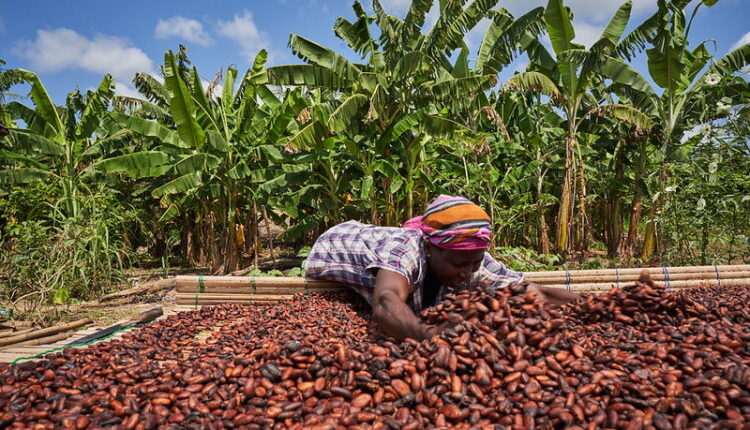
The timing is perfect. After years of volatile global prices, climate challenges, and the lingering effects of the 2024/2025 season’s difficulties, Ghanaian cocoa farmers are set to benefit from guaranteed payments funded by domestic capital. Industry insiders expect the bond to stabilise producer prices and encourage higher farm-gate incentives, which could boost output in the world’s most famous cocoa belt.
For the estimated 800,000 smallholder families who depend on cocoa, this is personal. A farmer in Suhum who lost income during the previous season’s funding squeeze now sees a clear path to recovery. “When the money comes from our own people, it feels different,” he said. “It feels like respect.”
The move also carries powerful macroeconomic benefits. By keeping the financing in cedis, Ghana reduces exposure to exchange-rate swings and frees up scarce foreign reserves. Analysts at Business Insider Africa note that this domestic funding model could become a blueprint for other commodity-dependent economies across the continent.
Already, Ghanaian banks and institutional investors are queuing up. The bond is expected to be oversubscribed, sending a strong signal of faith in the cocoa sector’s long-term recovery. COCOBOD will use the proceeds to purchase beans directly from farmers, maintain quality controls, and invest in disease-resistant seedlings and irrigation – critical steps toward sustainable production.
Beyond the farms, the ripple effects will be felt in processing plants, export terminals, and even chocolate factories springing up under the government’s value-addition push. Young entrepreneurs are already exploring cocoa-derived cosmetics and beverages, turning raw beans into higher-margin products.
Critics once argued that Ghana’s cocoa sector was too dependent on external finance. Today, that narrative is being rewritten by local capital. As one Accra-based fund manager put it: “We used to export cocoa and import loans. Now we’re exporting confidence and importing nothing but pride.”
The $1 billion cocoa bond isn’t just financial engineering – it’s a declaration that Ghana is taking full ownership of its golden crop. Farmers are smiling, markets are watching, and the entire West African cocoa story just got a powerful new chapter.