Namibia has just pulled off one of the most visionary conservation deals in African history.
On May 20, the government, in partnership with the World Wildlife Fund and other stakeholders, signed a landmark $63 million (approximately $60 million) conservation financing agreement under the “Namibia for Life” initiative – a Project Finance for Permanence model that locks in funding to protect the country’s iconic landscapes for generations to come.
This isn’t another short-term grant. It’s permanent capital designed to safeguard more than 20 percent of Namibia’s land, including communal conservancies and community forests that cover over 186,000 square kilometres. The money will flow into a dedicated trust, ensuring long-term financing for anti-poaching patrols, habitat restoration, community development, and eco-tourism infrastructure.
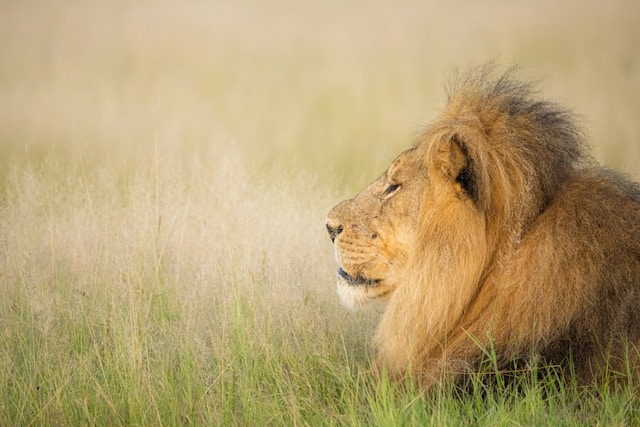
Prime Minister Dr. Tjitunga Elijah Ngurare witnessed the historic signing at Droombos, calling it “a gift to our children and to the world.” The project will directly benefit more than 216,000 Namibians – 60,000 directly and 156,000 indirectly – with a deliberate 50 percent focus on women and youth. For communities living alongside elephants, lions, and rhinos, this changes everything.
Conservancies that once struggled for operational funds can now invest in livestock guarding, tourism lodges, and skills training. A community leader in the Kunene region beamed: “We have always protected our wildlife. Now the world is investing in us to keep doing it – forever.”
The deal aligns perfectly with Namibia’s ambitious conservation targets and its growing reputation as a global leader in community-based natural resource management. Eco-tourism, already a major foreign-exchange earner, is set for a major boost as new funding flows into lodges, guiding programmes, and wildlife monitoring using the latest technology.
Economists estimate the initiative could generate an additional $150–200 million in tourism revenue over the next decade while creating thousands of green jobs. International partners see it as a model for the continent: blending private philanthropy, government commitment, and community ownership into a self-sustaining financial engine.
Critics of conservation finance often worry about “paper parks” without local buy-in. Namibia has flipped that script. By putting communities at the centre – and ensuring the money is ring-fenced for permanence – the country is proving that protecting nature and fighting poverty can be the same mission.
As one young female ranger in Etosha put it while tracking a herd of elephants at sunrise: “This money doesn’t just save animals. It saves our way of life. For the first time, we’re not begging for next year’s budget – we’re building the next century.”
Namibia’s $60 million conservation triumph is more than a funding announcement. It’s a blueprint for how Africa can protect its natural heritage while building wealth and dignity for its people. The deal is signed. The future is funded. And the wild heart of Africa just got a whole lot stronger.