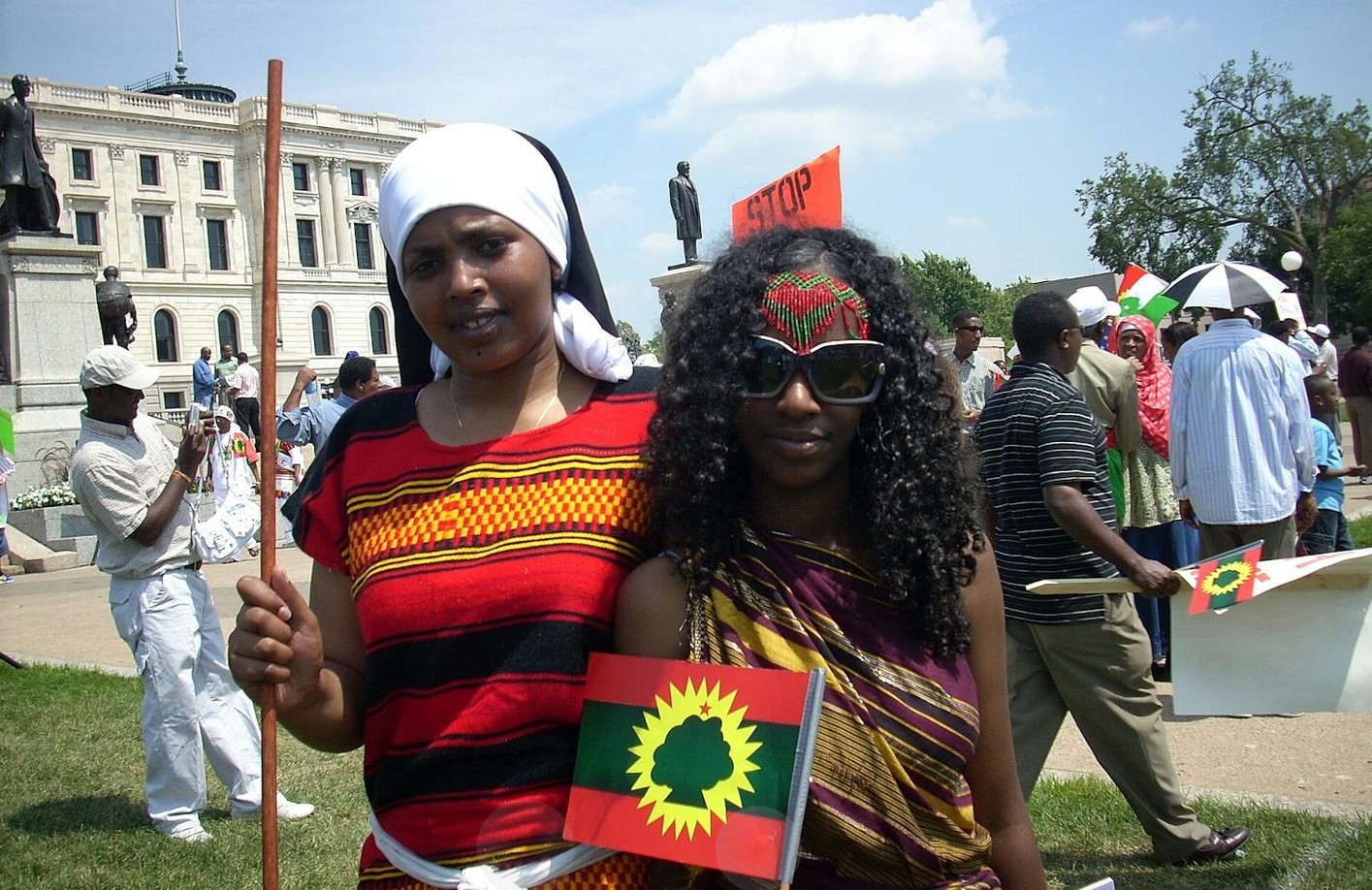
Ethiopia’s Oromo people, the country’s largest ethnic group, hold an indigenous philosophy called Namummaa. Meaning “humanness,” the concept emphasizes relationships, mutual responsibility, and peaceful coexistence as the foundation of social life. Similar to southern Africa’s Ubuntu, Namummaa teaches that a person’s worth is measured by how they contribute to the well-being of others rather than by wealth or status. The philosophy is reinforced by the Oromo moral code, Saffu, and the Gadaa governance system, which promote accountability, dialogue, and collective responsibility. While some historical practices, including warfare between rival groups, reveal contradictions within Oromo traditions, Namummaa’s focus on truth, reconciliation, and repairing damaged relationships remains influential. As Ethiopia continues to face political and ethnic tensions, experts argue this homegrown framework could complement formal institutions by encouraging dialogue, restoring trust, and helping communities view opponents as partners in a shared future.
The Conversation