By Dalu Ajene
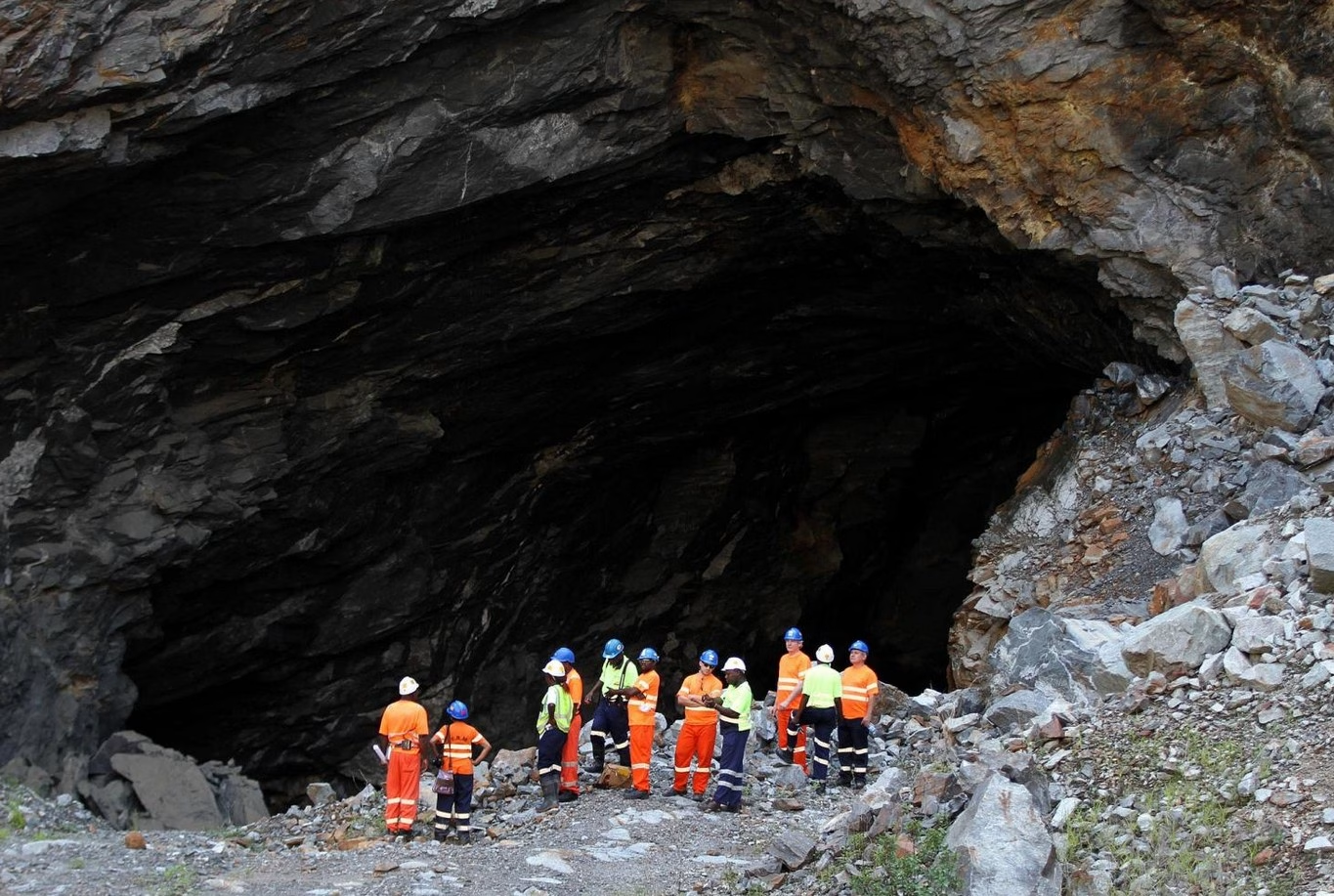
Africa holds over 30% of the world’s known mineral reserves and is central to the global energy transition, supplying critical minerals such as copper, cobalt, lithium, manganese, iron ore, platinum group metals, and rare earths.
Yet despite this geological abundance, the continent continues to face a significant financing gap in translating mineral potential into sustainable, bankable mining projects.
Bridging this gap requires a deliberate and well-structured use of blended finance that brings together development finance institutions (DFIs), export credit and insurance agencies, private equity, institutional investors, and commercial banks in complementary roles. By optimising the use of these blended sources of financing for project construction, we can expedite the continent’s mining potential.
Mining projects are capital intensive, long dated and exposed to multiple layers of risks such as geological, construction, commodity price volatility, regulatory uncertainty and ESG considerations. Africa infrastructure and energy gap investment proxy is estimated at $170 billion annually. Commercial banks will play a critical role in closing this finance gap, however regulatory capital requirements, tenor constraints, and risk concentration limits often restrict their ability to fund projects on a standalone basis, particularly during early development stages.
This is where blended finance becomes essential, not as a substitute for commercial banks, but as a catalyst that derisks projects and crowds in private capital at scale.
The global transition to a low-carbon economy is fundamentally mineral-intensive. A low-carbon future means the demand for critical minerals such as cobalt, lithium, graphite, and copper will surge, creating a potential $2 trillion revenue opportunity for sub-Saharan Africa over the next 25 years. However, despite its vast endowment, Africa must bridge a massive investment void, given it currently attracts less than 10 percent of global exploration capital.
The capital-intensive nature of mining, long lead times and high geological and political risk make traditional bank debt unsuitable for junior explorers and mid-tier producers. The finance sector plays an important intermediation role to attract alternative financing mechanisms such as royalties, streaming and sustainability-linked instruments, along with fostering partnerships with development finance institutions (DFIs), export credit and insurance agencies and private equity to de-risk the mining sector and facilitate beneficiation at source.
These allow mining companies to monetise future production today to fund construction, expansion or exploration tomorrow, without the immediate repayment pressures or equity dilution of conventional debt or private equity.
The continent is racing against technological innovation and shifting trade dynamics. It attracts only three percent of global energy spending and two percent of clean energy investment. To meet its climate and energy targets by 2030, the International Energy Agency (IEA) estimates energy investment must double to over USD 200 billion annually.
The aim must be to facilitate a “step change” in investment, shifting capital from traditional fossil fuel projects towards clean energy and critical minerals. For mining companies, this includes financing for electrifying haulage fleets, installing renewable energy plants (solar, wind or hydropower) to replace diesel generators and implementing energy-efficient processing technologies.
As part of a “Just Transition” in Africa, we must ensure the mineral boom translates into inclusive growth, industrialisation and long-term economic resilience. Partnerships are essential for catalytic growth and there are multiple learnings from those already executed.
For example, Standard Chartered has provided standby liquidity facilities to entities like GuarantCo, part of the Private Infrastructure Development Group (PIDG). GuarantCo offers innovative credit solutions and develops local capital markets for sustainable infrastructure projects, including renewable energy and digital connectivity.
In collaboration with the International Finance Corporation (IFC) and Appian Capital Advisory, Standard Chartered helped establish a dedicated mining fund targeting responsible mining projects for commodities essential to the energy transition.
Identifying bankable opportunities is crucial in circularity for the mining sector, moving beyond the “take-make-waste” model toward a system that maximises the lifecycle of extracted minerals and reduces the environmental footprint of processing. Circular solutions can reduce GHG emissions in these sectors by over 25 percent and lower abatement costs by 45 percent.
Banks are adopting a “mine-to-market” approach financing regional infrastructure corridors for the mining sector and broader economic needs. By participating in large-scale financing packages for solar infrastructure (e.g., the Euro 1.29 billion package for Angola), banks support the electrification needed for beneficiation at source. This move from exporting raw ore to processing minerals into concentrates, precursors or refined metals is estimated to increase the market value of African minerals by almost three-quarters by 2040.
Our philosophy of a “high-performance culture centred on people empowerment” is pertinent in Africa, where global geopolitical shocks and high levels of inflation disrupt financial stability. Our track record in Africa anchors our resolve to provide financing solutions that are sustainable. We recognise that intermediating blended capital flows in additional to commercial bank lending capacity is not the silver bullet to bridging all the financing gap in mining. Domestic sources of capital also play an important role, where unlocking more domestic capital using pension and insurance funds to bridge the infrastructure gap and shield businesses from foreign exchange volatility adds to the equation.
A “Just Transition” approach is not just about environmental targets but also social impact. In the mining sector, this translates into supporting the formalisation of artisanal and small-scale mining (ASM), ensuring small-scale miners can participate in the global value chain under fair and safe conditions.
The global race for critical minerals is both an opportunity and challenge that requires a shift from “business as usual.” The strategic imperative is clear: to mainstream innovative financing and partnerships to turn Africa’s mineral wealth into sustainable prosperity. By executing this we will meet Net-Zero and sustainable finance targets and playing a vital role in Africa’s journey toward an inclusive, low-carbon future.
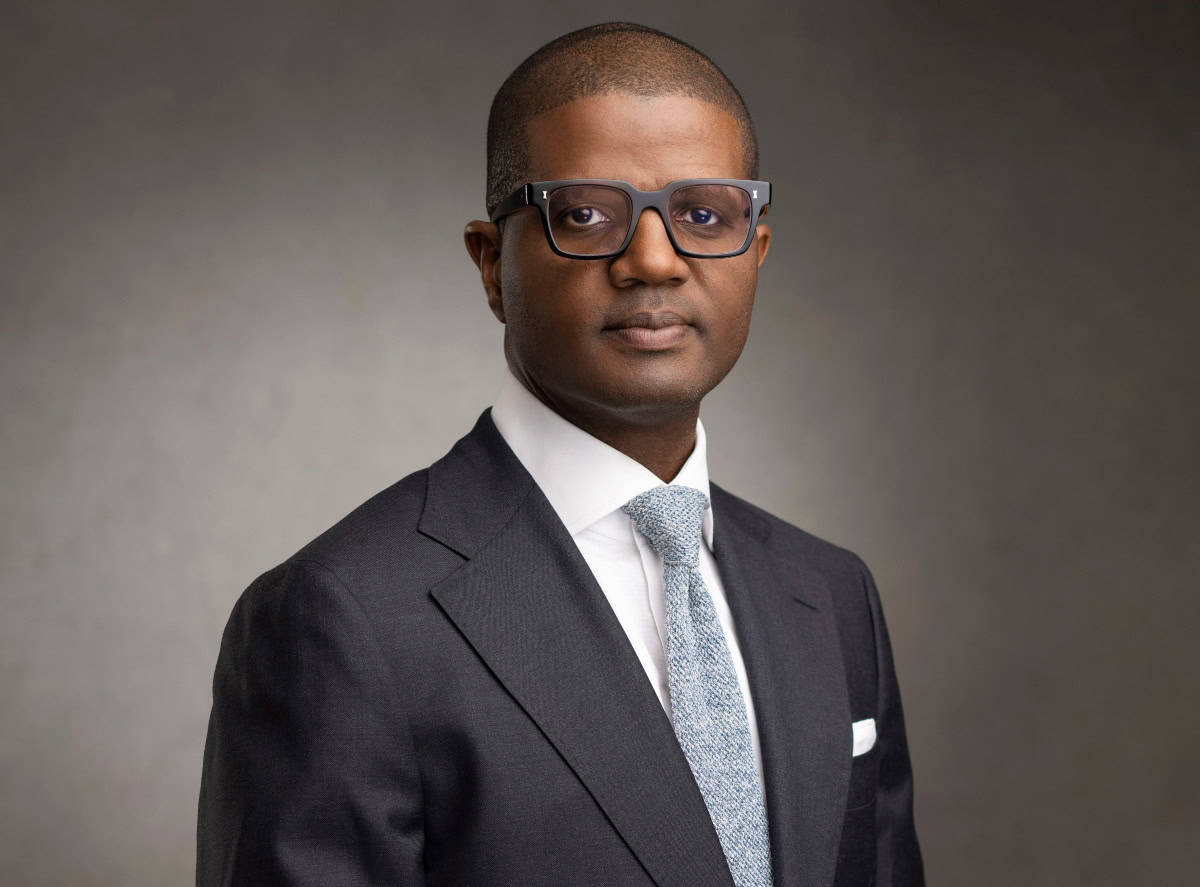
Dalu Ajene is the CEO & Head of Coverage, Africa, Standard Chartered