Thursday, June 18, 2026 - 20:26:53
Loading weather…

Climate change is reshaping Africa faster than almost any other region on earth. Africa.com covers the latest climate change news, research and solutions from across the continent. Our coverage ranges from drought and flooding in the Sahel to green energy transition in East Africa and climate finance negotiations affecting every African nation. Stay informed with daily climate change updates at africa.com.
Agriculture employs the majority of Africa's workforce and feeds most of the continent's population, making food security one of the most pressing environmental challenges on the continent. Shifting rainfall seasons, extended dry periods and increasingly unpredictable weather patterns are reducing crop yields, disrupting planting calendars and threatening the livelihoods of smallholder farmers across sub-Saharan Africa. Research from leading agricultural institutes indicates that without significant adaptation investment, productivity across African farms could reduce by up to a quarter by mid-century. Africa.com tracks adaptation programmes, drought-resistant crop development, irrigation expansion and climate-smart agriculture initiatives that are helping African farmers build resilience. Governments across the continent are investing in early warning systems, seed banks and farmer training programmes to reduce vulnerability and ensure communities can continue to feed themselves despite increasingly hostile growing conditions driven by rising global temperatures and shifting seasonal patterns.
Africa's energy transition represents one of the most significant opportunities created by the global environmental response. With abundant solar, wind, geothermal and hydropower resources, Africa has the potential to build a largely renewable energy system that powers economic growth while contributing to global emissions reduction targets. Coverage on africa.com includes tracking the expansion of solar energy across East and West Africa, the development of green hydrogen projects, international finance flows and negotiations between African governments and developed nations over fair and ambitious commitments under the Paris Agreement and successive COP summits. Understanding how environmental shifts are driving Africa's energy future is essential for investors, policymakers and development professionals working across the continent. Independent power producers, development finance institutions and governments are collaborating to scale up renewable generation capacity and extend energy access to millions of households currently living without reliable electricity across rural and peri-urban areas of the continent.
Water stress is one of the most immediate environmental consequences affecting the African continent today. Shrinking lake levels, depleted groundwater reserves and increasingly unreliable seasonal rains are creating competition for water resources between communities, between countries and between agricultural and industrial users. In the most severely affected regions, water scarcity is contributing to displacement, conflict and humanitarian crises that require coordinated responses from national governments, regional bodies and the international community. Africa.com covers water security, drought response and displacement stories as part of our commitment to comprehensive environmental reporting from across the continent. Regional water management bodies, international development organisations and African governments are investing in water harvesting infrastructure, transboundary river agreements and community-based water conservation programmes to address the growing gap between water supply and demand across the continent.
African nations have consistently called for greater international support to address adaptation costs and loss and damage from environmental shifts. Finance commitments made by developed nations at successive international summits have often fallen short of what African governments say is needed to protect their populations and build resilient economies. Africa.com tracks international negotiations, green finance commitments, adaptation fund disbursements and the growing role of African voices in shaping global environmental policy. Our coverage ensures that readers understand both the science and the politics of what is being done at every level to address this defining challenge across the continent. The Loss and Damage Fund established at COP27 and subsequent negotiations over its capitalisation represent a significant shift in how the international community is beginning to acknowledge and address the disproportionate burden that African and other vulnerable nations bear as a result of emissions produced primarily by wealthier industrialised countries over decades of economic development.
Africa's extraordinary biodiversity is under increasing pressure from rising global temperatures and environmental degradation. Habitat loss, desertification and changing rainfall patterns are threatening wildlife populations, marine ecosystems, forests and wetlands across the continent. From the shrinking glaciers of Kilimanjaro to the bleaching coral reefs of the Swahili Coast and the expanding Sahara desert, ecological impacts are visible and accelerating. Conservation organisations, governments and local communities are working to protect biodiversity while adapting to the realities of a warming world. Africa.com covers these efforts as part of our commitment to environmental journalism that captures the full range of challenges facing the continent. Protected area networks, community conservancies and wildlife corridors are being expanded and strengthened across the continent to give species and ecosystems the space they need to survive and adapt to changing environmental conditions over the coming decades.
Africa's rapidly growing cities face significant environmental challenges including flooding, extreme heat, water shortages and infrastructure stress. Urban planners, engineers and municipal governments across the continent are working to design and build cities that can withstand increasingly extreme weather events while providing safe and healthy environments for their growing populations. Green infrastructure such as urban forests, permeable surfaces and wetland restoration is being integrated into city planning frameworks in Nairobi, Lagos, Accra, Dar es Salaam and other major African urban centres. Africa.com covers urban resilience, sustainable city development and infrastructure adaptation as part of our broader coverage of how African nations and communities are responding to the environmental challenges of our time with innovation, determination and a commitment to building a better future for the continent's people.
Africa.com is committed to providing the most comprehensive and accurate climate change reporting available for African audiences worldwide. Climate change affects every aspect of life across the continent including agriculture, water, energy, health, urban planning and biodiversity. Our climate change coverage brings together the latest research, policy developments, community stories and expert analysis to help our readers understand what climate change means for Africa today and in the future. Whether you are a policymaker, investor, researcher, journalist or engaged citizen, staying informed about climate change in Africa has never been more important. Africa.com delivers trusted climate change journalism every day across every region of the continent.
Most Recent

Malawi and Mozambique secure over USD22.3 million within seven days The Regional Emergency Preparedness and Access to Inclusive Recovery (REPAIR) Program has disbursed over USD22.3 million within seven (7) business days to support urgent national flood response operations in Malawi and Mozambique, enabling governments to mobilise immediate relief. By providing rapid, pre-arranged financing, REPAIR enables […]
...
A recent study has shown that Sub-Saharan Africa, home to the world’s most climate-vulnerable communities, receives less adaptation and biodiversity funding than almost any other region. This story is written and edited by Global South World Despite being at the epicentre of the climate crisis, African nations receive some of the lowest levels of international […]
...
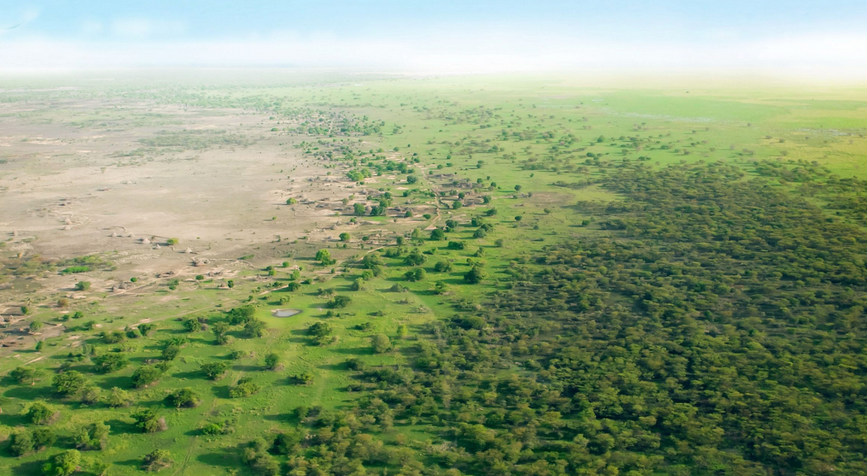
At the 30th UN Climate Change Conference (COP30) in Belém, Brazil, development partners urged a major scale-up in financing to accelerate delivery of the Great Green Wall’s 2030 targets—one of Africa’s most ambitious climate and land restoration efforts. Led by the African Union and supported by member states and global partners, the Great Green Wall […]
...
For decades, “reduce, reuse, recycle” has been sold as the holy trinity of environmental responsibility — a simple formula that empowers each of us to do our part for the planet. But what if that slogan has been one of the most effective distractions in modern history? Across Africa and the world, climate activists are […]
...
By Isabelle Hagner Mozambique is ranked among the world’s most climate-vulnerable countries, with the nation facing escalating risks from droughts, floods, tropical cyclones, and sea-level rise. The World Bank warns that temperatures in the region are climbing at one of the fastest rates in Southern Africa – projected to rise by 0.31°C per decade until 2050. With 60% of […]
...
In coastal Ghana, a generations-old tradition of oyster farming, led by women, is under severe threat from climate change and mangrove depletion. Once supported by US-funded training programs, these women now rely on their own efforts to replant mangroves, protect fragile ecosystems, and sustain their families. Oysters, which fetch about $4 per basin, are becoming scarcer as […]
...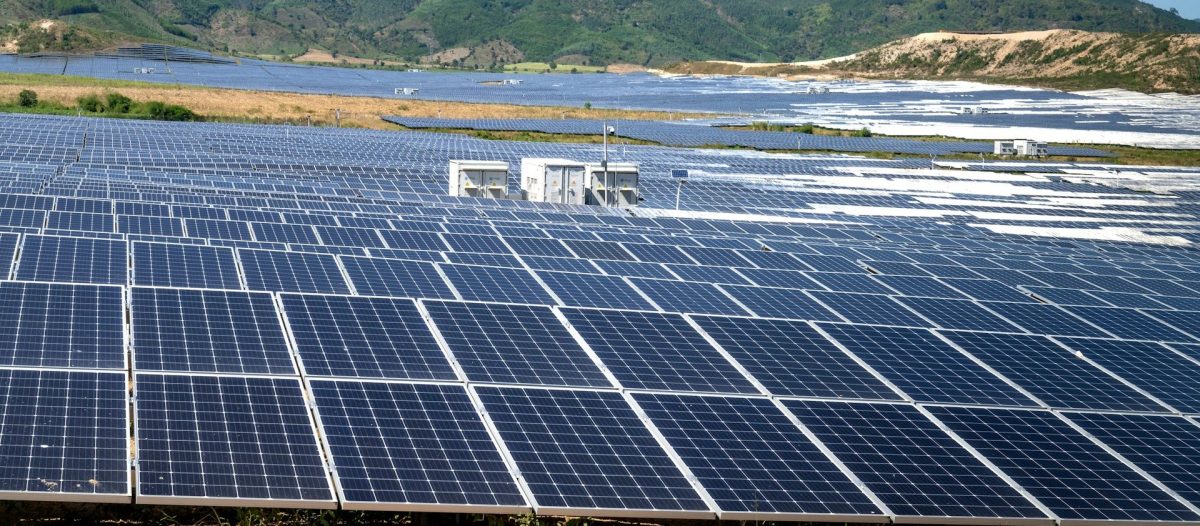
In Addis Ababa this week, African leaders are gathering for the Africa Climate Summit with a clear message: the continent is ready to power a green economy revolution, but the world must step up to match Africa’s ambition with finance and technology. Across the continent, the momentum is unmistakable. In the past year alone, 20 […]
...
Zambia faces a mounting electronic waste crisis, with the toxic burning of 23,000 tons of discarded gadgets each year, which poisons communities and the environment. Right in the heart of this challenge, 28-year-old innovator Chimfwembe Mutale and his company, Yaaka, are forging a brilliant solution. They are transforming this hazardous trash into valuable raw materials such […]
...
Climate change in Africa is reshaping economies, ecosystems, and everyday life. But amid the devastation lies an often-overlooked truth: the crisis is also unlocking pathways for green growth, innovation, and a reimagined future. The continent is home to some of the world’s richest renewable energy resources. With over 60% of the globe’s best solar potential, […]
...
Across Africa, climate change is not a distant threat—it is a daily reality. From the Sahel’s creeping desertification to the rising seas along West Africa’s coastlines, communities are confronting challenges that test both resilience and ingenuity. But rather than being passive victims, Africans are leading the way in creating solutions that blend tradition with innovation. […]
...
The African Development Bank and Invest in Africa are investing in people-powered climate solutions—creating green jobs that protect ecosystems and strengthen local economies. The African Development Bank has signed an $850,000 grant agreement with non-profit organization Invest in Africa (IIA) to launch the MicroGREEN project in Ghana and Senegal. The initiative will expand opportunities for […]
...
Against the backdrop of escalating climate threats and deepening urban inequality, the South African Institution of Civil Engineering (SAICE) hosted the 2025 SAICE Environmental Engineering Division (SEED) breakfast in July. The event drew leading voices in science, technology and urban development into one shared conversation – how can African cities lead the way in climate-smart […]
...Explore related coverage on africa.com in our Features and Opinion section and Doing Business in Africa guide. For global climate research visit the UN Environment Programme and the Intergovernmental Panel on Climate Change.