Tanzania is taking a significant step toward securing its water future, backed by a $1.94 million investment from the Coca-Cola system to restore the Ruvu Basin—one of the country’s most critical water sources.
Serving Dar es Salaam, a fast-growing commercial hub of around nine million people, the Ruvu Basin is more than a natural resource. It is the backbone of daily life, supporting households, agriculture, and industry across eastern Tanzania. As climate pressures intensify, protecting this ecosystem is becoming both an environmental and economic priority.
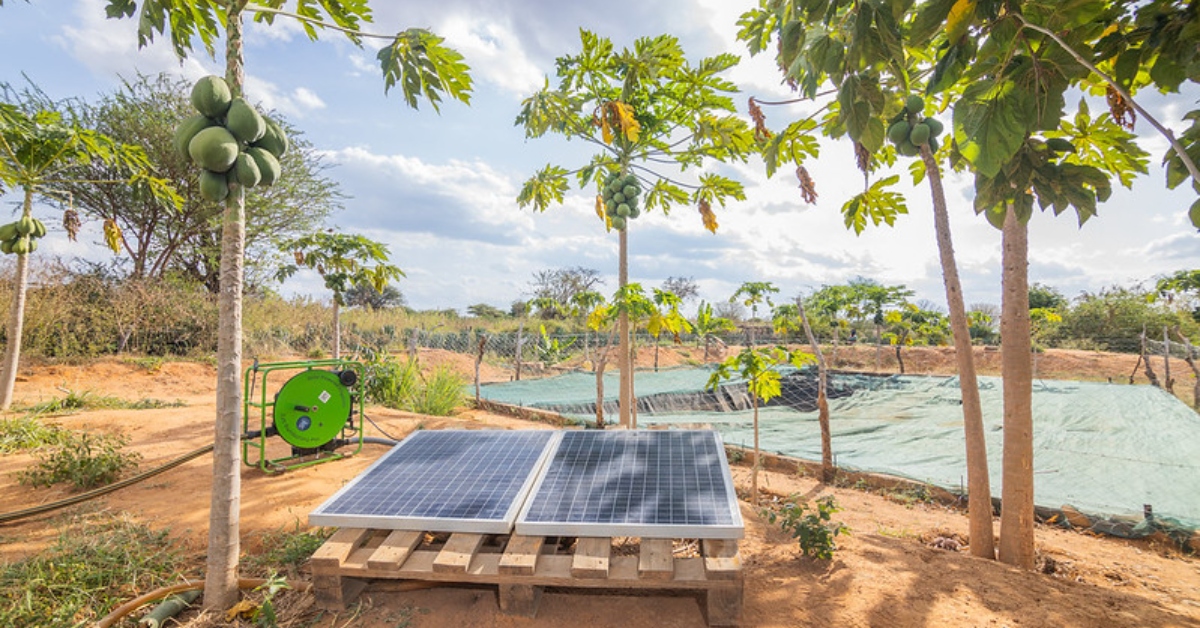
At the heart of the initiative is the Ngerengere catchment, part of the wider Ruvu sub-basin. The project focuses on restoring degraded landscapes, improving water replenishment, and strengthening long-term water management through nature-based solutions. These include tree planting, soil restoration, and sustainable land-use practices designed to protect water sources while supporting local livelihoods.
This is not just conservation—it is a people-centered approach to resilience.
At least 2,000 farmers are expected to benefit directly, gaining access to climate-smart agricultural practices that improve yields while preserving natural resources. By aligning environmental restoration with economic opportunity, the project reflects a growing shift across Africa: investing in solutions that work for both people and planet.
The initiative is led by the Global Water Challenge and implemented by the International Union for Conservation of Nature in partnership with the Wami-Ruvu Basin Water Board. Together, these partners are combining technical expertise with local knowledge to deliver impact on the ground.
Their collaboration highlights a broader truth shaping Africa’s sustainability agenda: lasting progress depends on strong partnerships. Governments, private sector players, and civil society are increasingly working together to tackle shared challenges—from water scarcity to climate adaptation.
This investment also forms part of the Coca-Cola system’s wider Africa Water Stewardship Initiative, launched in 2024. With nearly $25 million committed across 20 African countries by 2030, the initiative aims to address water-related challenges at scale, focusing on water access, sanitation, and watershed protection.
Water insecurity is already a pressing issue in many parts of the continent. Population growth, urban expansion, and climate variability are placing increasing strain on available resources. In regions like eastern Tanzania, where rainfall patterns are becoming less predictable, safeguarding water systems is essential for long-term stability.
By focusing on watershed restoration, the project tackles the problem at its source. Healthy catchment areas improve water flow, reduce erosion, and enhance groundwater recharge. In turn, this supports more reliable water supply for communities and businesses alike.
But the impact goes beyond infrastructure.
Initiatives like this are helping to build a culture of water stewardship—where communities, farmers, and institutions play an active role in managing and protecting resources. Training programs and local engagement efforts are equipping stakeholders with the tools and knowledge needed to sustain these gains over time.
For Tanzania, the benefits are both immediate and long-term. In the short term, improved land management and conservation practices will enhance agricultural productivity and water availability. Over time, stronger ecosystems will contribute to climate resilience, ensuring that critical water sources can withstand future pressures.
For Africa more broadly, the project offers a model worth scaling.
Across the continent, similar challenges are unfolding in river basins and catchment areas that support millions of people. Investments that combine environmental restoration with economic empowerment are proving to be among the most effective ways to address them.
As Africa continues to urbanize and industrialize, the demand for water will only grow. Meeting that demand sustainably will require bold thinking, strategic investment, and collaborative action.
This initiative in Tanzania shows what that future can look like: one where businesses, communities, and institutions work together to protect vital resources while unlocking new opportunities for growth.
In a continent defined by resilience and innovation, safeguarding water is not just an environmental goal. It is a foundation for inclusive, long-term prosperity.