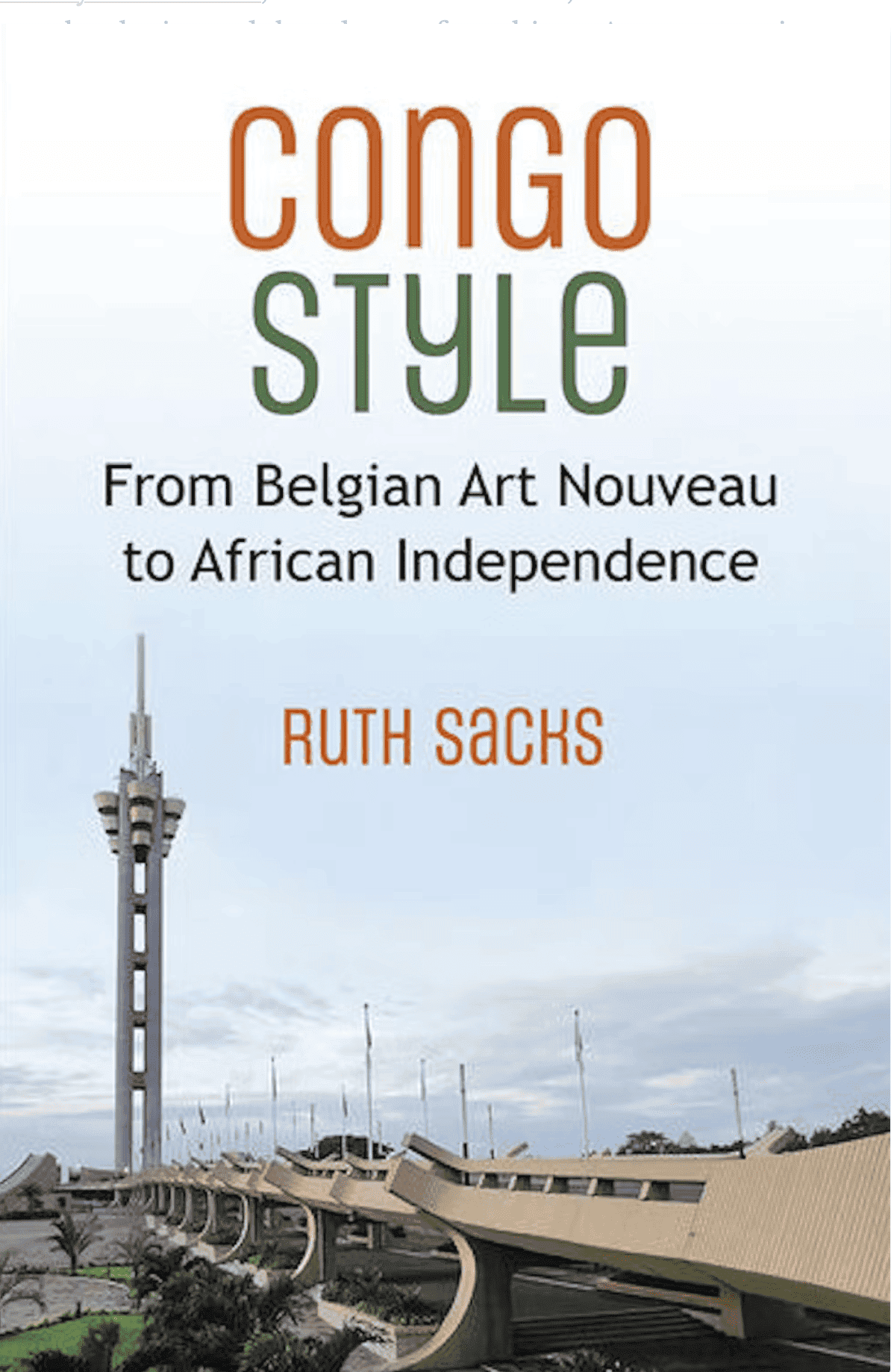
Ruth Sacks’ new book Congo Style: From Belgian Art Nouveau to African Independence focuses on the fascinating development of the Democratic Republic of Congo’s artistic landscape. Focusing on the country’s transformation under two very different dictatorships, the book showcases the way in which political strongmen were able to influence the nation’s visual culture and identity. The state sites of the early Mobutu Sese Seko regime (1965 to 1975) are steeped in a sense of nationalism and aimed at impressing. For example, the Limete Tower (in use from 1974) on Boulevard Lumumba is a massive monument intended to be a museum celebrating national culture. A tower made up of a huge raw cement tube is topped by an organic floret shaped crown, with a curving walkway leading off from its rounded lower sections.
Thursday, June 11, 2026 - 02:25:41
Loading weather…