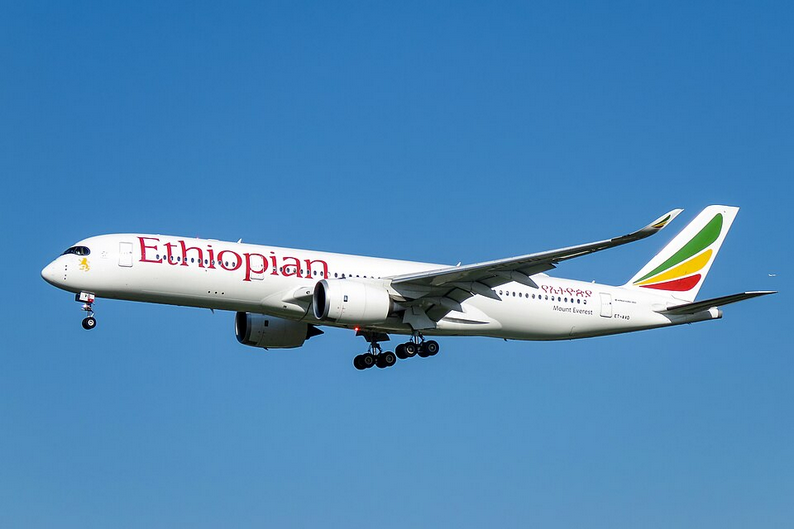
At 35,000 feet, trust is everything. On May 4, 2026, Ethiopian Airlines received the ultimate endorsement from the people who matter most: its passengers. The carrier was named Africa’s Best Airline at the 2026 APEX Passenger Choice Awards, an accolade determined by more than one million verified flight ratings collected through TripIt from Concur across over 600 global airlines.
The win is no fluke. Under Group CEO Mesfin Tasew, Ethiopian has transformed from a regional powerhouse into a continental aviation leader with one of the youngest fleets in the industry, a vast network spanning five continents, and an obsessive focus on operational reliability. APEX Group CEO Dr. Joe Leader praised the result as “the voice of verified passengers at scale,” noting that Ethiopian consistently excels in safety, service quality, and seamless connectivity.
“This award motivates us to keep raising our standards and delivering an experience our customers can trust and enjoy,” Tasew said at the awards ceremony held at the airline’s Bole International Airport headquarters in Addis Ababa. The timing is symbolic: the recognition arrived just as Ethiopian continues to expand its Star Alliance footprint and invest in ultra-long-haul routes that position Addis as Africa’s undisputed aviation hub.
Behind the scenes, the numbers tell a compelling story. Ethiopian carried millions more passengers in 2025 than pre-pandemic peaks, maintained industry-leading on-time performance despite regional disruptions, and rolled out digital innovations—from contactless boarding to AI-driven customer service—that competitors are scrambling to match. Cargo operations, a quiet profit engine, have also flourished, leveraging Ethiopia’s strategic location to connect Asia, Europe, and the Americas with African markets.
The award arrives amid fierce competition. South African Airways, Kenya Airways, and emerging players from Morocco and Egypt are all investing heavily, yet Ethiopian’s passenger-first culture has created a loyalty moat. Frequent flyers repeatedly cite warm in-flight service, modern cabins, and the airline’s ability to turn around aircraft faster than rivals—critical advantages in a continent where infrastructure bottlenecks remain real.
Economically, the implications ripple far beyond aviation. Ethiopian Airlines is one of Africa’s largest private-sector employers, supports thousands of indirect jobs through its maintenance, training, and catering subsidiaries, and funnels foreign exchange into the Ethiopian economy. Its success bolsters national pride and soft power while proving that African enterprises can compete globally on quality, not just cost.
Looking ahead, the airline plans to grow its fleet to 200 aircraft by 2035, deepen pan-African connectivity under the Single African Air Transport Market (SAATM), and explore sustainable aviation fuels. The APEX trophy is both validation and mandate: passengers have spoken, and Ethiopian is listening.
In an industry often defined by delays and disappointment, Ethiopian’s 2026 triumph reminds the world that excellence in African aviation is not aspirational—it is already airborne.