By Kadi Diallo, Portfolio Manager of Africa Tech Festival.
When over 15,000 policymakers, industry leaders, entrepreneurs, and investors convened in Cape Town in November for the 28th Africa Tech Festival 2025, it was against the backdrop of an increasingly positive digital growth trajectory for the continent.
Across its four anchor programmes – AfricaCom, AfricaTech, AfricaIgnite, and The AI Summit Cape Town – the festival revealed a definite shift in defining Africa’s next phase of digital transformation.
Taking place a fortnight before the G20 Summit meeting in Johannesburg, which also put digital transformation firmly on the agenda for global leaders and industry stakeholders, the message was clear: Africa is moving from fragmented digital adoption to a more holistic focus on data sovereignty, responsible AI, regional policy alignment, and enterprise-scale digital infrastructure. And the world is taking notice.
AI localisation signals a move from adoption to ownership
One of the clearest themes was Africa’s move toward AI localisation. Speakers and delegates alike emphasised that the continent’s AI future can’t rely solely on foreign datasets, platforms, or languages. There’s a strong push to build local data ecosystems, develop language models that reflect Africa’s linguistic diversity, and design AI tools that provide meaningful solutions in sectors such as agriculture, public health, financial inclusion, and education.
Signalling global support were several partnership announcements aimed at accelerating this, such as Cassava Technologies announcing that it’s the first NVIDIA Cloud Partner in Africa, installing the latter’s advanced GPUs in its African AI factories.
The broader sentiment was that AI sovereignty is becoming more closely linked to economic growth, marking a transition from simply adopting global tools to actively creating AI solutions that reflect the continent’s contexts, risks, and priorities.
Investment shifts from hype to scalable impact
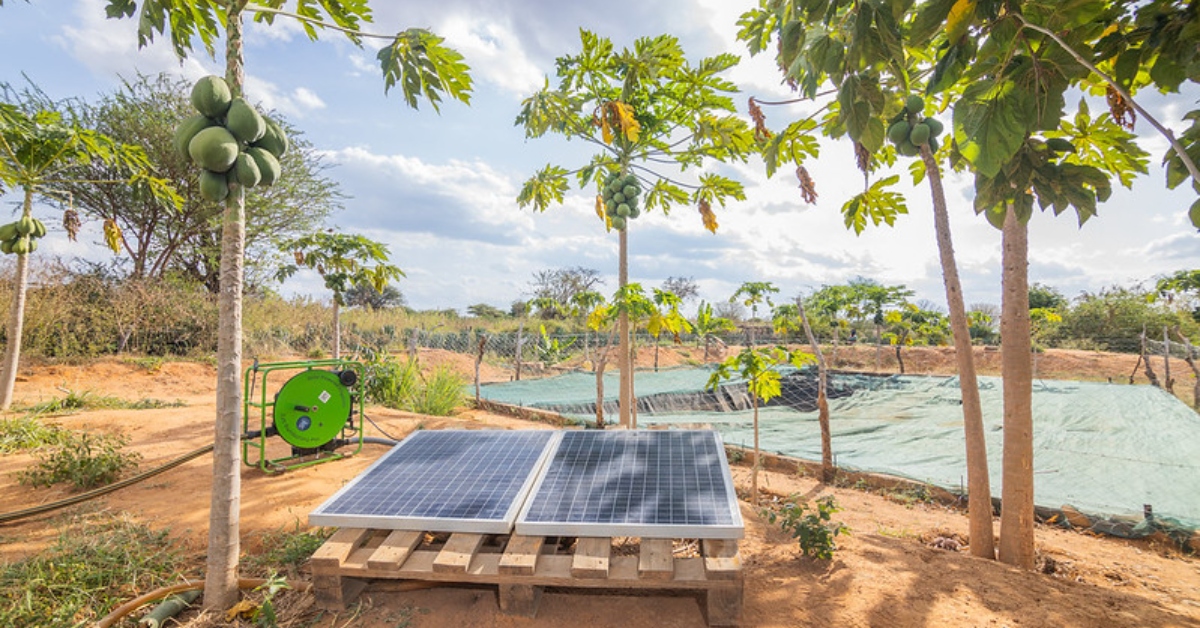
The funding conversation has also matured noticeably. Investors are interested in ventures that can demonstrate impact and regional expansion potential, particularly in fintech, clean energy, agritech, digital health, and climate resilience technologies. And far from being all talk, start-up pods and exhibition stands demonstrated that these innovations are already happening.
Investors are also prioritising sustainability, governance, and long-term value. At the same time, greater visibility for women- and youth-led ventures shows that capital is becoming more accessible to these previously underfunded businesses.
Policy harmonisation gains real momentum
Africa Tech Festival made it clear that Africa’s global competitiveness will depend heavily on harmonised policy and digital governance standards. Regulators and government representatives, including those from South Africa, Ghana, Estonia, and the EU, discussed practical steps to align fragmented policy environments, from cross-border data protection to AI governance, cybersecurity standards, and the role of digital systems in building transparent, citizen-centric governments.
Cloud and cyber resilience become the backbone of enterprise transformation
While 5G, fibre expansion, and data centre growth dominated infrastructure conversations, enterprise cloud adoption emerged as a critical enabler of Africa’s AI future. Rather than debating whether cloud adoption should happen, discussions focused on how to implement cloud strategies responsibly, including sovereign cloud models, regional infrastructure, and environments that allow governments and enterprises to retain control of sensitive data.
This marks a shift in perception; cloud is no longer viewed as an IT function but as foundational infrastructure for innovation, automation, and AI deployment.
A transition from technology consumers to technology creators
Perhaps the most defining insight was the recognition that Africa is positioning itself not just as a market for global technology but as a creator of it. The rise of locally developed AI tools, regional innovation hubs, and award-winning African innovators is a sign of a continent that’s confident in its ability to pioneer solutions rather than import them.
The region’s young population, expanding tech talent base, and growing digital literacy were identified as competitive advantages that need to be nurtured for the long term. Consensus was that Africa’s digital future will be shaped through collaboration between governments, enterprises, investors, academia, and startups, rather than through isolated national initiatives.
The path forward: A sovereign digital future
Africa Tech Festival 2025’s relevance extends well beyond the event week. It has successfully repositioned Africa’s digital narrative from one centred on infrastructure deficits to one driven by ownership, responsibility, and strategic collaboration.
Africa is charting its course toward digital sovereignty, and the trajectory emerging from Cape Town suggests that it’s already well on its way.
For more information, visit www.africatechfestival.com