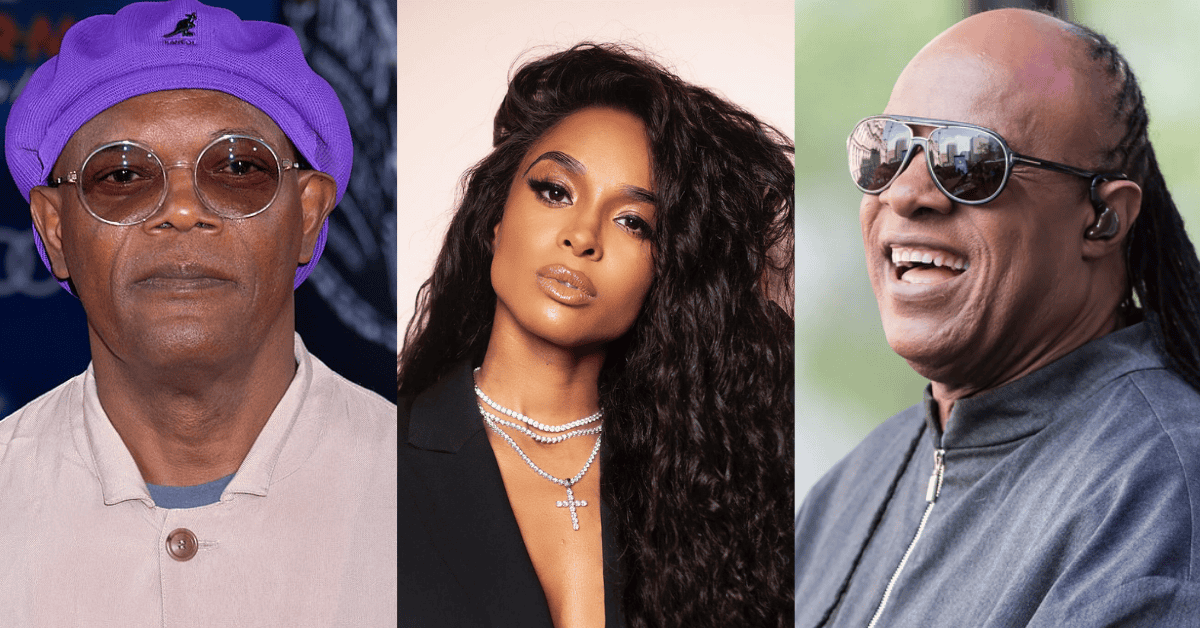
Across West and Central Africa, a powerful story is unfolding. From Stevie Wonder receiving Ghanaian citizenship to Ciara becoming a citizen of Benin, African nations are embracing Black American stars as part of a broader reconnection with the diaspora.
This is more than celebrity symbolism. It is a strategic, cultural and economic play—rooted in history and powered by a new generation.
A bond centuries in the making
The connection between Africa and African Americans is not new. Liberia, Africa’s oldest republic, was founded in 1822 by freed Black American settlers. When Ghana gained independence in 1957, it welcomed civil rights leaders and artists from the United States. Figures like Martin Luther King Jr., Malcolm X and Muhammad Ali visited Accra, affirming a shared destiny across the Atlantic.
Today’s resurgence is shaped by DNA technology, digital storytelling and a rising global African identity. Actors Meagan Good and Jonathan Majors secured citizenship in Guinea after tracing their ancestry there. Rapper Ludacris and actor Samuel L. Jackson are now citizens of Gabon. And YouTube phenomenon IShowSpeed was recently approved for a Ghanaian passport during a whirlwind tour of the continent.
For many, these ceremonies are described as “homecomings.” But for African governments, they are also policy.
Culture as strategy
At the heart of this movement is pan-Africanism—the belief in a united global African family. Ghana’s “Year of Return” in 2019 positioned the country as a gateway for the diaspora. Over the past decade, more than 1,000 African Americans have relocated there, contributing to real estate, tech startups and cultural ventures.
Benin has followed suit. President Patrice Talon has invested heavily in heritage tourism, including the Marina Project in Ouidah, once a major slave port. The goal is clear: transform painful history into spaces of remembrance, renewal and economic opportunity.
Tourism is one driver. Diaspora travelers represent a growing and influential market. When global stars share citizenship ceremonies with millions of followers, the ripple effect is immediate—new flights booked, festivals amplified, local brands spotlighted.
But soft power matters just as much. Smaller nations without vast mineral wealth are leveraging culture, creativity and identity to expand their global influence. Celebrity citizens, in this sense, become cultural ambassadors—bridges between markets, movements and media ecosystems.
A conversation at home
Not everyone is convinced. Some citizens question whether celebrities receive preferential treatment in processes that can be complex for ordinary applicants. Lawmakers in Ghana have emphasized that legal procedures must still be followed, even when certain steps are expedited.
This tension reflects something healthy: African nations are not simply staging ceremonies for applause. They are navigating policy, fairness and national identity in real time.
And the long-term impact remains to be seen. Will celebrity citizens build businesses, create jobs and deepen cultural exchange? Or will the connection remain largely symbolic?
There are early signs of substance. Ciara returned to Benin to perform at Vodun Days. Meagan Good and Jonathan Majors have spoken about establishing lasting ties in Guinea. Ghanaian supporters of IShowSpeed hope he will base projects and investments in the country, extending beyond social media moments.
Beyond symbolism
Africa’s engagement with the diaspora is evolving from rhetoric to action. By formalizing citizenship pathways for Afro-descendants, countries are signaling that belonging is not abstract—it can be legal, economic and cultural.
This is not about passports alone. It is about rewriting narratives. For centuries, Africa was framed as a place people were taken from. Today, it is positioning itself as a place people return to—by choice.
The question is no longer whether the bond exists. It clearly does. The real test is how African nations—and their new celebrity citizens—transform that bond into investment, innovation and shared prosperity.
If pan-Africanism is to thrive in the 21st century, it will not be built on speeches alone. It will be built on policy, partnerships and presence.
And across the continent, that work has already begun.