New BCG report analyses three decades of infrastructure investment across 92 countries, revealing which types of projects deliver the strongest economic growth impact.
Infrastructure underpins economic growth, national security, and social progress. Yet countries are taking increasingly divergent paths. Developing countries are investing heavily, while developed economies have seen investment flattening or declining, even as the urgency for new infrastructure continues to rise.
This is according to Boston Consulting Group’s (BCG) new report, Infrastructure Investment in an Uncertain World. The report uses new economic modelling to compare the impact of five different archetypes of infrastructure investment on long-term economic growth, drawing on data from 92 countries over 30 years.
How to choose the right projects for maximum impact
Across economies, investing in infrastructure catalyses economic growth and social progress. BCG’s analysis shows that a sustained 5% increase in infrastructure stock can be associated with increasing long-run GDP growth by up to 0.45 percentage points. The report highlights however that economic impact varies according to the type of infrastructure and the country maturity level.
“The real opportunity according to the report findings lies in selecting the right strategic project, not simply building more. Countries that choose the right projects and deliver them the right way can unlock superior growth, strengthen their resilience, and boost long‑term competitiveness,” said Ghita Lahlou, Managing Director and Partner at BCG, Casablanca.
To test which infrastructure has had the largest impact, BCG grouped countries into five archetypes based on their level of development and investment intensity. Each faces distinct infrastructure needs and constraints ranging from highly developed countries where infrastructure investment has almost stalled to countries that have achieved high levels of development and continue to invest heavily to countries still in the early stages of development.
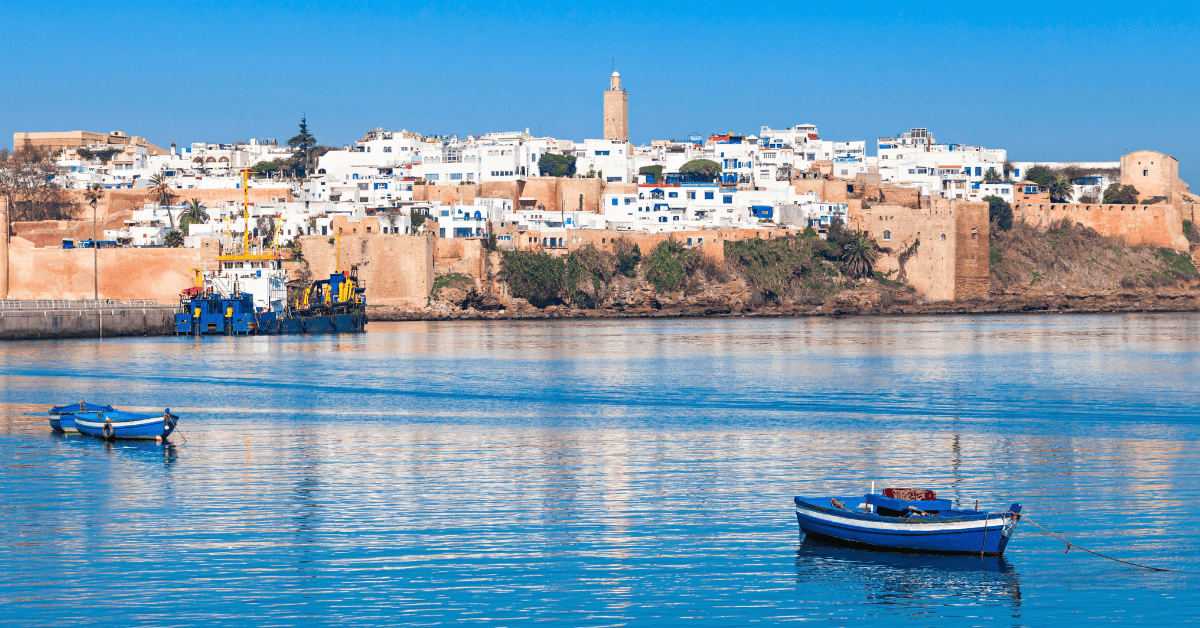
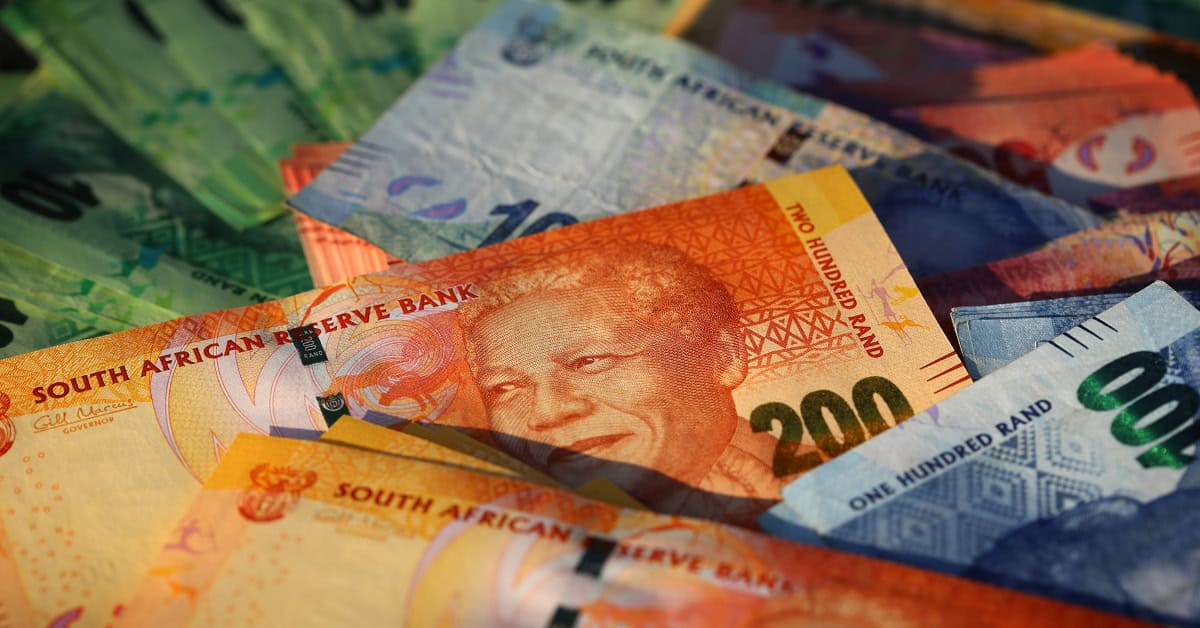
Many African economies including Morocco, Namibia and South Africa fall within archetype four ‘High Investment Developing’ category. These countries are developing and investing in infrastructure rapidly but from a low base. Their priorities are to expand infrastructure across the board to support economic growth, manage pressure of rapid urbanisation and demographic change, and improve wealth distribution.
Results show a clear relationship between country archetype, type of infrastructure, and resulting economic benefit:
- For developing economies, transport infrastructure, specifically rail and air freight, generates the strongest economic gains (+0.6 pp GDP growth for a 5% increase in railway), likely a reflection of the impact of transport on trade. Mobile connections deliver the second-largest impact (+0.3 pp GDP growth for 5% increase in digital infrastructure).
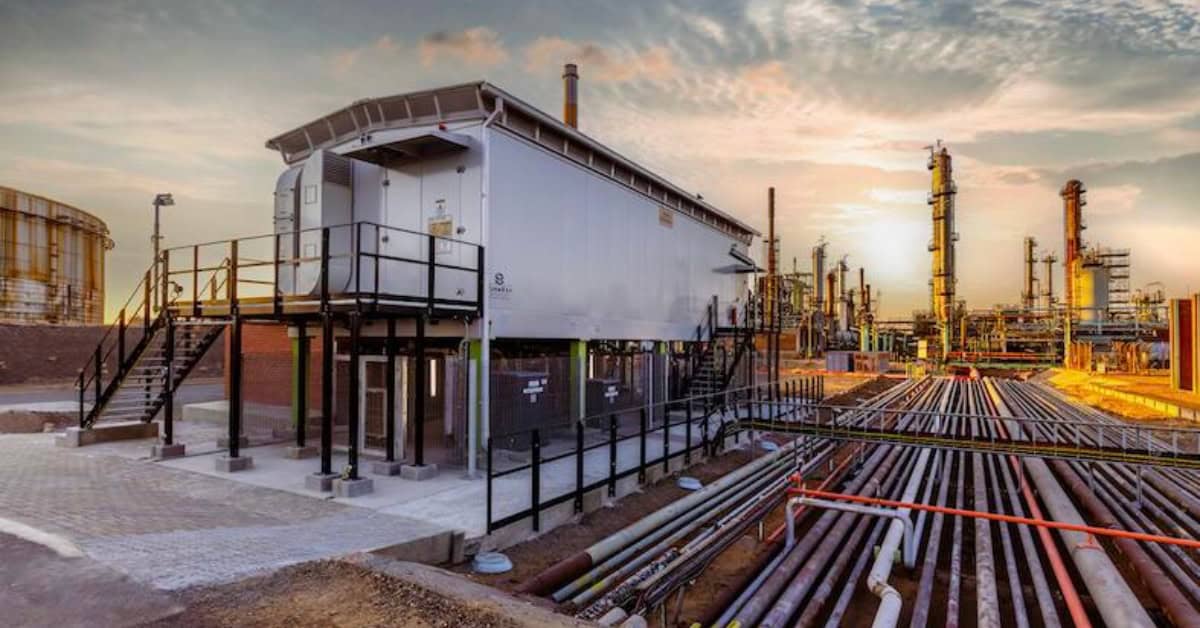
- In more developed countries, BCG finds that energy infrastructure has the strongest effect: on average, a 5% increase in energy infrastructure stock could boost long-term GDP growth by 0.45pp. For context, OECD countries are set to grow GDP by 1.7% in 2026, so this boost would be significant.
The report also draws on real-world case studies and BCG’s project experience to show how governments and investors can prioritise the infrastructure that delivers the greatest economic returns, and what it takes to execute those projects well to ensure growth.
Among others, it highlights the Tanger Med Port in Morocco as an example of how integrated transport infrastructure can reshape a country’s economic trajectory. Developed as part of the vision to transition to a more export-driven economy and to become a key player in Euro-Mediterranean trade, Government built a new industrial port on the Mediterranean. It was integrated within the growing car manufacturing industry, creating dedicated logistics corridors with highway and railway lines to major cities. The port now hosts over 1000 companies and over 120,000 jobs.
“This example is typical of how a well-designed transport infrastructure delivered at the right moment can drive major economic impact,” adds Lahlou.
How to bridge the execution gap and protect value in project delivery
While identifying the right projects is critical, the report stresses that the path to accelerated growth also lies in delivering projects effectively and efficiently to maximise value. Time and cost overruns are endemic across large infrastructure projects. A 2024 BCG study found that infrastructure projects face budget overruns of 55% and timeline overruns of 35%, on average. In Africa the execution is also often delayed at the financing stage; BCG’s Bridging Africa’s Infrastructure execution gapreport shows that while the continent has a robust and growing pipeline of infrastructure projects, only 6% are currently under construction.
To ensure efficient project execution, and create the conditions for more predictable, higher‑value outcomes for projects, several conditions are becoming critical, including active public sector leadership, innovative financial instruments to de-risk project uncertainties, aligned incentives across the delivery chain, and robust planning.
“Execution is where infrastructure value is won or lost. Countries that build strong delivery capabilities incorporating clear governance, disciplined project preparation, and robust operator ecosystems see dramatically better results. But none of this happens at scale without private capital. Investors need bankable pipelines, transparent frameworks, and PPP models that align incentives and manage risk effectively. When governments create these conditions, capital flows, and transformative infrastructure becomes achievable,”
concludes Seddik El Fihri, Managing Director and Partner, BCG Casablanca.
The full report is available for download.