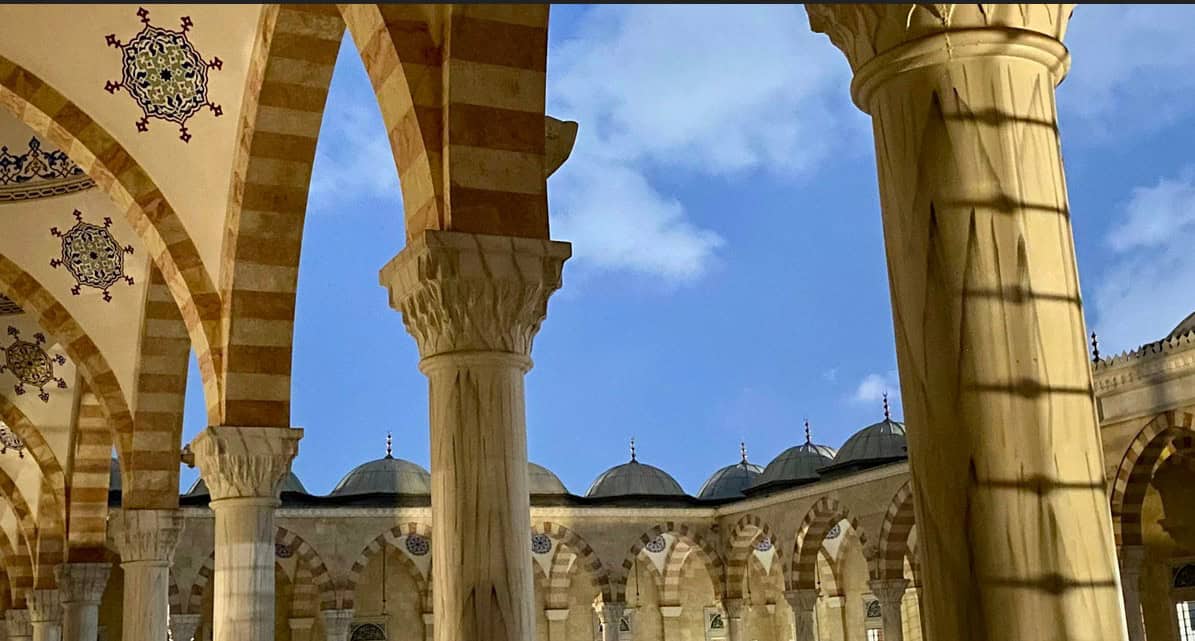
In a fascinating study of soft power and infrastructure, researchers have explored how Ghana’s most iconic modern landmarks—the National Mosque and Jubilee House—serve as enduring imprints of global political relationships. The National Mosque in Accra, modeled after Istanbul’s Blue Mosque, was a gift from Turkey, signaling a relationship that dates back to 1957. Similarly, Jubilee House, the seat of government, was funded by India, a nod to the two nations’ shared history in the Non-Aligned Movement. These structures are far more than functional; they are strategic “gifts” that normalize the presence of foreign sponsors while being reshaped by local agency. An example is the incorporation of the traditional Akan stool into Jubilee House’s design to assert Ghanaian cultural authority. However, critics note that elite-driven decisions may not fully reflect public priorities, raising questions about the balance between symbolism and sustainable development.
The Conversation