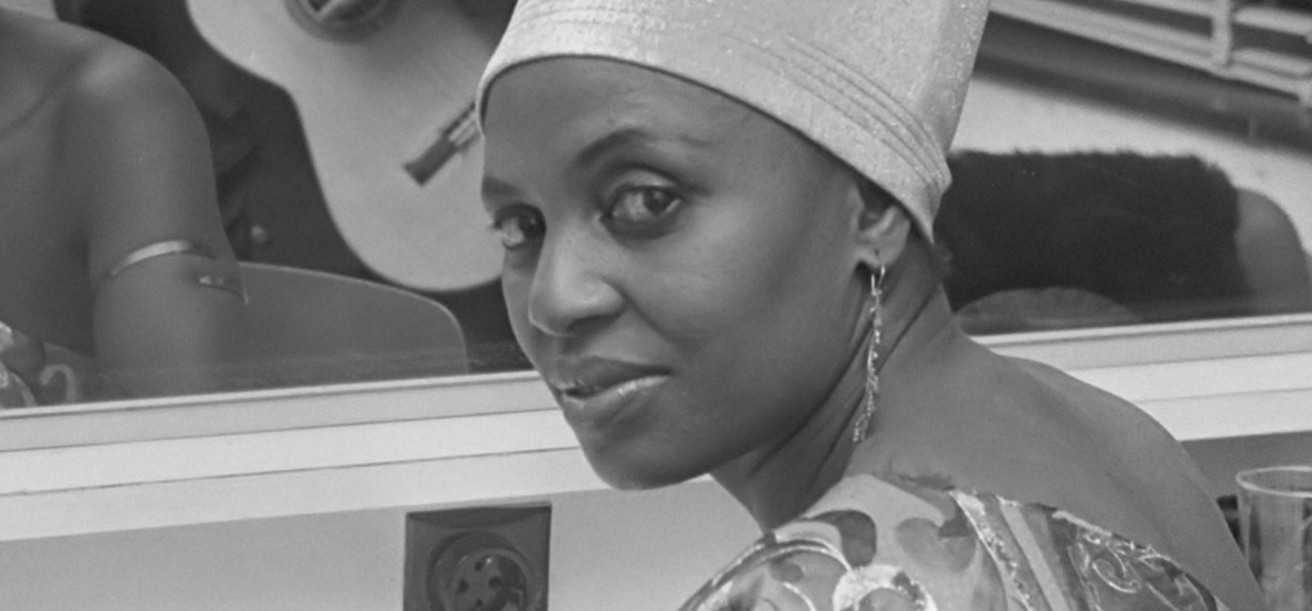
Miriam Makeba’s “Soweto Blues” remains one of the most powerful musical tributes to the June 16, 1976, student uprising in South Africa, when apartheid police opened fire on schoolchildren peacefully protesting the forced use of Afrikaans as an instructional language in Black schools. The song’s origins reflect a remarkable story of pan-African solidarity: its melody was co-written by South African trumpeter Hugh Masekela and Ghanaian guitarist Stanley Kwesi Todd, with Masekela and Todd first connected through Afrobeat pioneer Fela Kuti. Makeba recorded the track in Kumasi, Ghana, from her exile base in Guinea. The uprising, which spread far beyond Soweto despite its enduring association with that township, left an estimated 700 or more dead. Half a century later, “Soweto Blues” endures as a testament not only to South African resistance, but to the cross-border cultural networks that supported the fight against apartheid across the continent.
The Conversation