
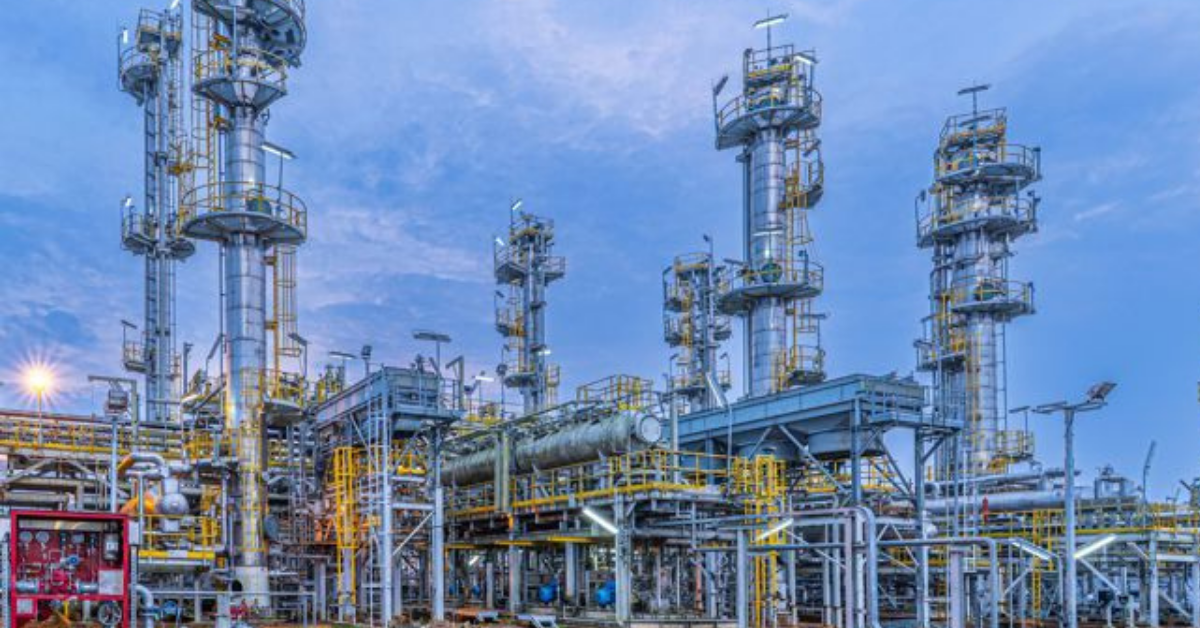
At 2:34 in the afternoon on Tuesday, April 14, 2026, a number appeared on the trading screens of the Nigerian Exchange Limited that had never appeared before. Seplat Energy Plc — a dual-listed oil and gas company that had once been a modest mid-cap player in Nigeria’s upstream sector — closed at N10,450 per share. In one session, it had jumped 9.42 percent. In the context of a market where prices can drift for weeks without drama, the number was astonishing. It was also a first: no company in the history of Nigeria’s stock exchange had ever crossed the N10,000 threshold.
In the trading rooms of Lagos, analysts reached for context. Vetiva Research called Seplat ‘the undisputed heavyweight driver of the session.’ CardinalStone noted that the Oil and Gas index gained 4.36 percent, led almost entirely by Seplat’s charge. The company’s market capitalisation climbed to approximately N6.27 trillion in a single afternoon — a sum that, just three months earlier, would have seemed like ambitious speculation.
The Ingredients of a Historic Rally
To understand what happened on April 14, you need to understand what happened on December 31, 2025, and then on April 7, 2026. On the last day of 2025, Tony Elumelu’s Heirs Energies finalised the acquisition of a 20.07 percent stake in Seplat Energy — 120.4 million shares — from the French company Maurel & Prom, for approximately $496 million. At the time, some analysts questioned the premium Elumelu had paid. The answer came in the months that followed, as the stock began moving with new conviction.
Then, on April 7, 2026, FTSE Russell delivered its interim market review and upgraded Nigeria from ‘unclassified’ to Frontier Market status, effective September 2026. The reclassification, long awaited by Nigerian market participants, opened the door for global passive funds — funds that track FTSE indices and must hold the constituent stocks — to begin positioning in Nigerian equities.
Analysts at Cordros Research estimated the upgrade could unlock between $840 million and $1.04 billion in foreign portfolio inflows, concentrated in large-cap stocks with strong governance and liquidity. Seplat, dual-listed on the London Stock Exchange since 2014 as the first Nigerian corporate to achieve that distinction, was near the top of every shortlist.
Fundamentals That Justified the Excitement
The rally was not built on air. Seplat’s full-year 2025 results, published earlier in 2026, were the strongest in the company’s history: revenue of $2.73 billion, up 144 percent from the prior year, driven by the first full contribution from offshore assets acquired from Mobil Producing Nigeria Unlimited. Gross profit surged 156 percent to $904.5 million. Profit before tax grew nearly 87 percent to $497.8 million. The company had also achieved critical operational milestones — first gas at the ANOH plant, a significant boost from its idle well restoration programme, and a 24 percent reduction in onshore emissions intensity. Production guidance for 2026 is set at 135,000 to 155,000 barrels of oil equivalent per day.
From its closing price of N5,809 at the end of 2025, Seplat’s share had surged nearly 80 percent year-to-date by the time it crossed the N10,000 mark. Shareholders, collectively, had recorded paper gains of approximately N2.9 trillion since January. For Elumelu, whose Heirs Energies entry price now looked prescient, the appreciation on a $496 million investment ran into hundreds of millions of dollars in less than four months.
What the Number Means
A share price is, in the end, just a number. But numbers carry weight when they are firsts. Seplat’s crossing of the N10,000 mark is a signal embedded in a larger story: Nigeria’s long-promised position as the gateway to African energy investment is starting, slowly and unevenly, to materialise in the data. The FTSE reclassification, the Elumelu investment, the offshore asset consolidation, the global appetite for frontier market exposure — these currents converged on one afternoon in Lagos and produced something the exchange had never seen.
The company is now the sixth most valuable firm on the NGX, sitting behind Airtel Africa, BUA Cement, Dangote Cement, BUA Foods, and MTN Nigeria. It will not hold the record for the most expensive share in isolation forever — markets move, fortunes change. But the record for the first, in any market, belongs permanently to whoever claimed it.
On the afternoon of April 14, 2026, that record belonged to Seplat — and to everyone in Nigeria who had been waiting for the market to say something new.