Kenya’s banks aren’t just growing – they’re exploding onto the continental stage with the kind of momentum that makes global investors sit up and take notice.
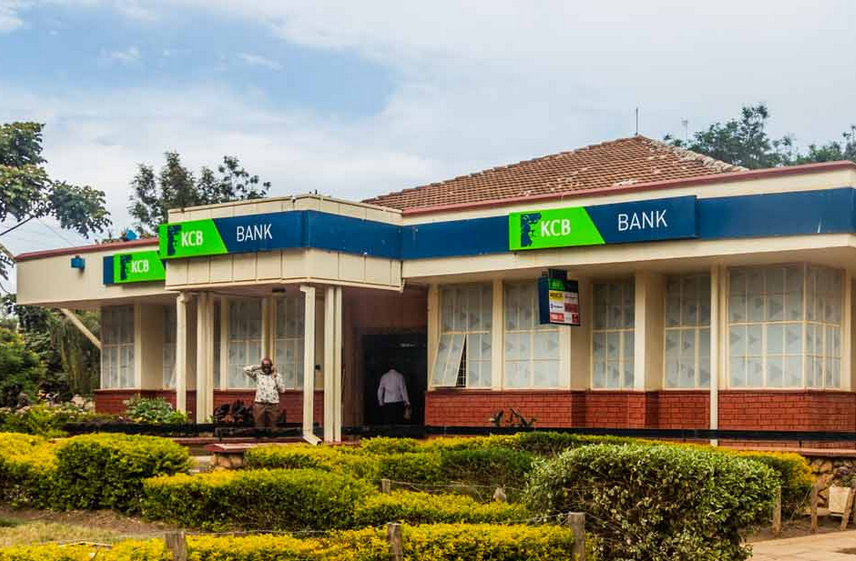
KCB Group just posted a stunning 15 percent jump in first-quarter pretax profit to KSh 24.4 billion, smashing analyst forecasts. Across town at Equity Group Holdings, assets have crossed the KSh 2 trillion mark for the first time in the bank’s history – a milestone that CEO Dr. James Mwangi celebrated by unveiling an audacious roadmap: 15 countries of operation and 100 million customers within five years.
This isn’t luck. It’s strategy meeting opportunity. While the region grapples with inflation and global headwinds, Kenya’s lenders have doubled down on digital innovation, SME lending, and cross-border expansion. Equity’s Equitel platform now processes over 40 million transactions daily, while KCB’s mobile banking app has become the go-to wallet for millions of unbanked farmers in Uganda and Tanzania.
“What you’re seeing is the maturation of East Africa’s financial services sector,” says Dr. Mwangi in a candid conversation at Equity’s sleek headquarters. “We’re not just banks anymore. We’re ecosystems – powering agriculture, remittances, and small businesses that drive 70 percent of the continent’s GDP.”
The numbers back the hype. Non-performing loans across both institutions have dropped below 8 percent thanks to AI-driven credit scoring and data partnerships with mobile operators. Deposit growth is running at 18 percent year-on-year, fueled by diaspora remittances hitting record highs and a booming middle class.
International ratings agencies have taken note. Moody’s upgraded both banks’ outlooks to positive last month, citing “resilient business models and strong regional diversification.” Foreign institutional investors – from Singapore’s GIC to South Africa’s Public Investment Corporation – are quietly increasing stakes.
For ordinary Kenyans, the impact is immediate and personal. A matatu owner in Kisumu can now access instant working capital via an app. A coffee farmer in Kirinyaga receives payment straight to her phone the moment her beans hit the mill. Young entrepreneurs in Nairobi’s tech hubs are closing seed rounds faster than ever because the banks actually understand their business models.
The expansion story is equally compelling. Equity recently acquired a controlling stake in a Rwandan microfinance institution and is in advanced talks in Ethiopia and South Sudan. KCB’s footprint now stretches from Burundi to the Democratic Republic of Congo, bringing formal banking to markets long dominated by cash and informal lenders.
Critics point to cybersecurity risks and regulatory hurdles in newer markets, but both banks have invested heavily in world-class fintech talent and compliance teams. “We learned from the mistakes of the 90s,” one senior KCB executive confided. “This time we’re building for permanence.”
As Kenya’s economy eyes 6 percent growth in 2026, its banks are no longer followers – they’re leaders writing the playbook for African finance. Watch these two names closely. The next decade of African banking will carry a Kenyan accent.