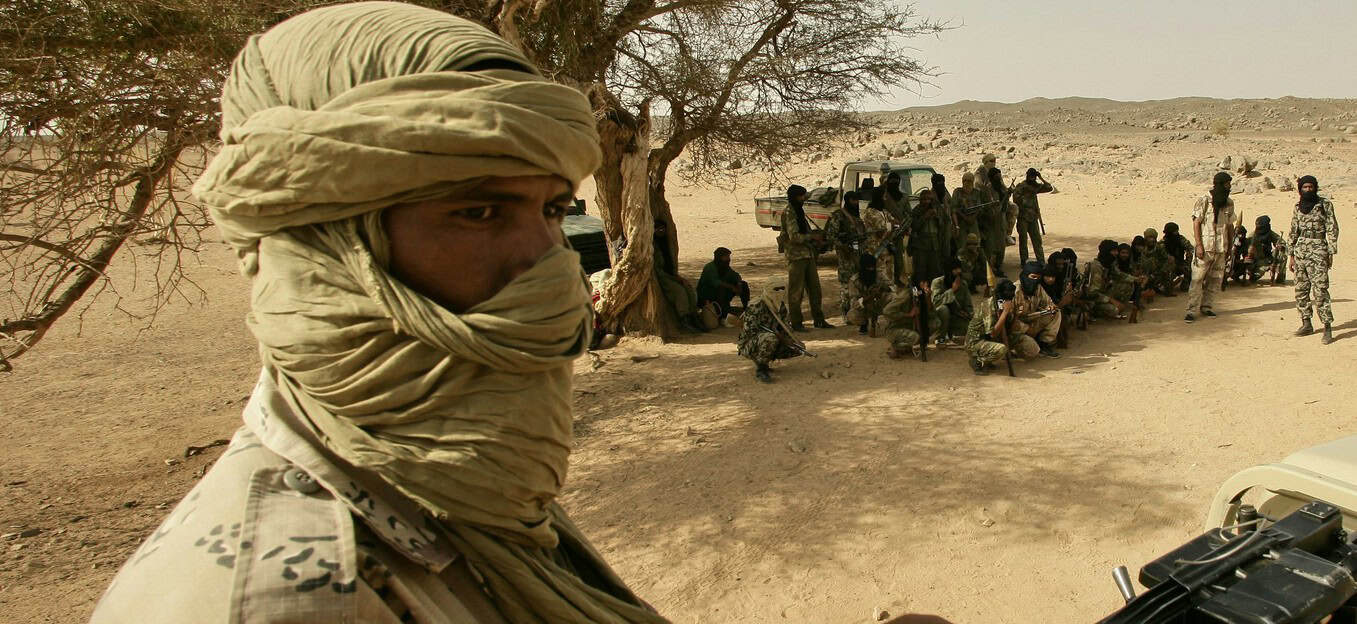
A recent deadly wave of coordinated attacks in Mali reflects decades of unresolved Tuareg grievances rather than isolated jihadist activity. These grievances center on three factors: political exclusion and cultural marginalization of Tuaregs; counterterrorism operations that inflict civilian harm and fuel rebel recruitment; and the concentration of northern Mali’s resources—gold, salt, and trade corridors—under southern state control. France’s 2022 military withdrawal amplified the vacuum, emboldening jihadists and allowing them to expand territorial influence. Analysts point to former Nigerien President Issoufou’s model as a viable blueprint for Mali, including integrating Tuareg elites into government, decentralizing authority, funding disarmament programs, and investing in pastoral livelihoods. Without comparable structural concessions, Mali’s security deterioration is likely to deepen.
The Conversation