
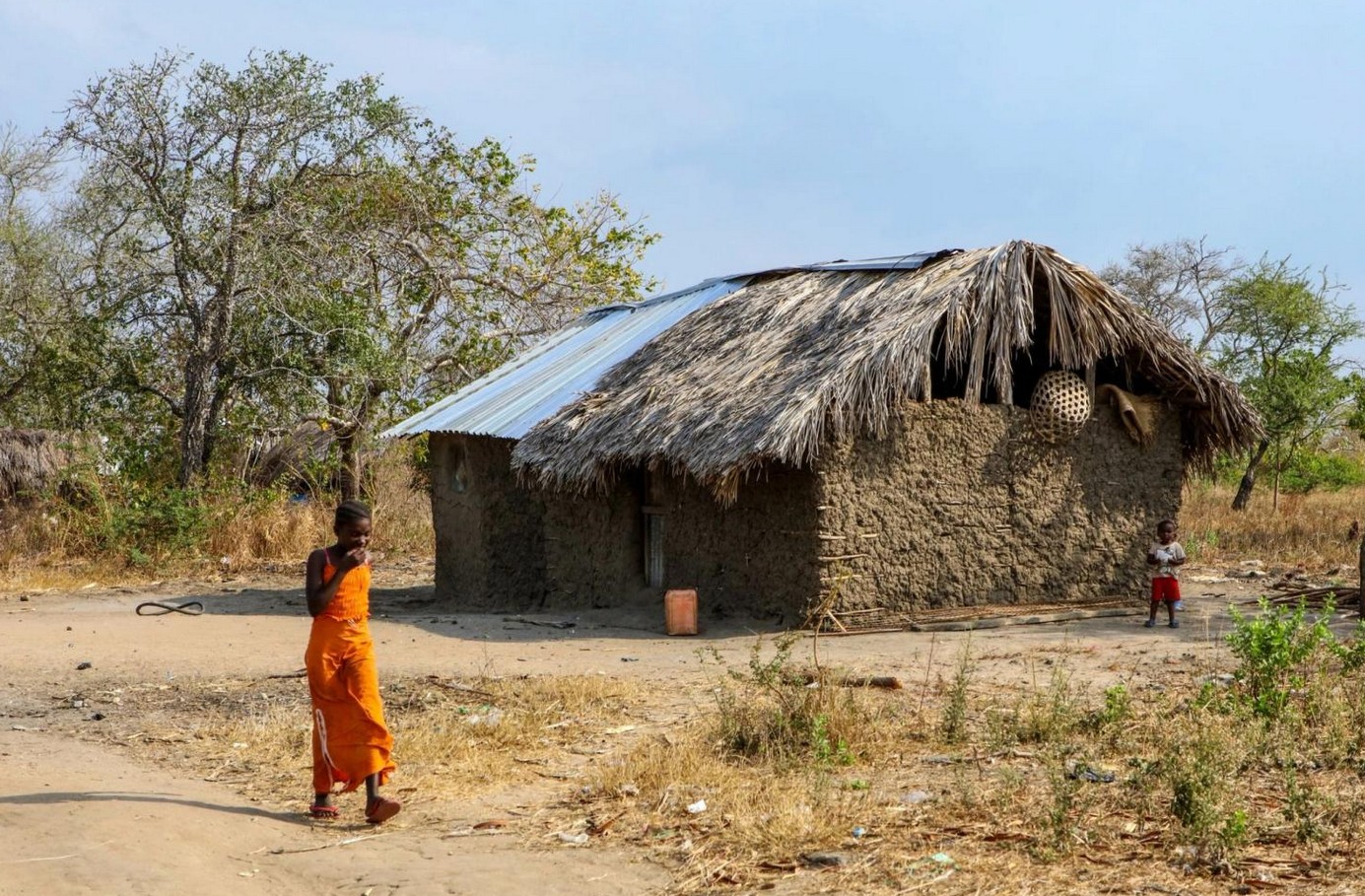
In Tanzania, a three-year trial reveals that specially designed two-story homes dramatically reduce disease rates in children. Compared to traditional mud-and-thatch houses, these new dwellings lowered cases of malaria, diarrhea, and acute respiratory infections. The homes feature screened windows, self-closing doors to block mosquitoes, and a rainwater harvesting system for clean drinking water. Children living in the improved houses were also taller for their age, a key marker of better overall health. Published in Nature Medicine, the study highlights how smart design—informed by mosquito behavior research—can transform unsafe living spaces into healthier environments. Lead author Steve Lindsay and coauthors urge governments to rethink rural housing to protect young children and offer them a healthier start to life.
Semafor