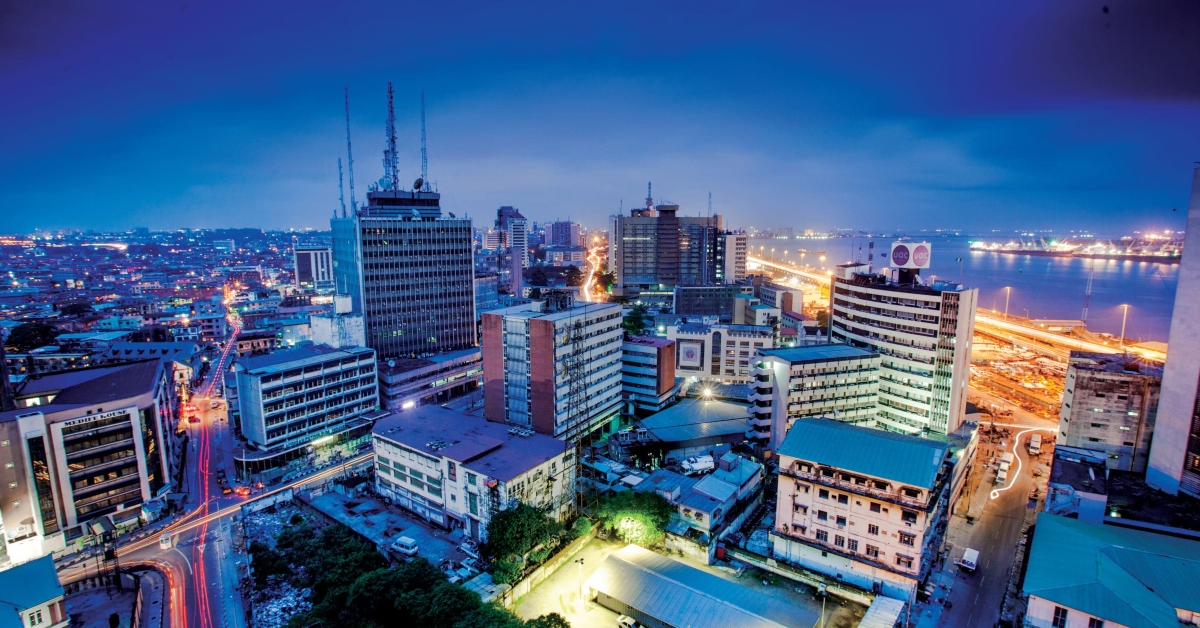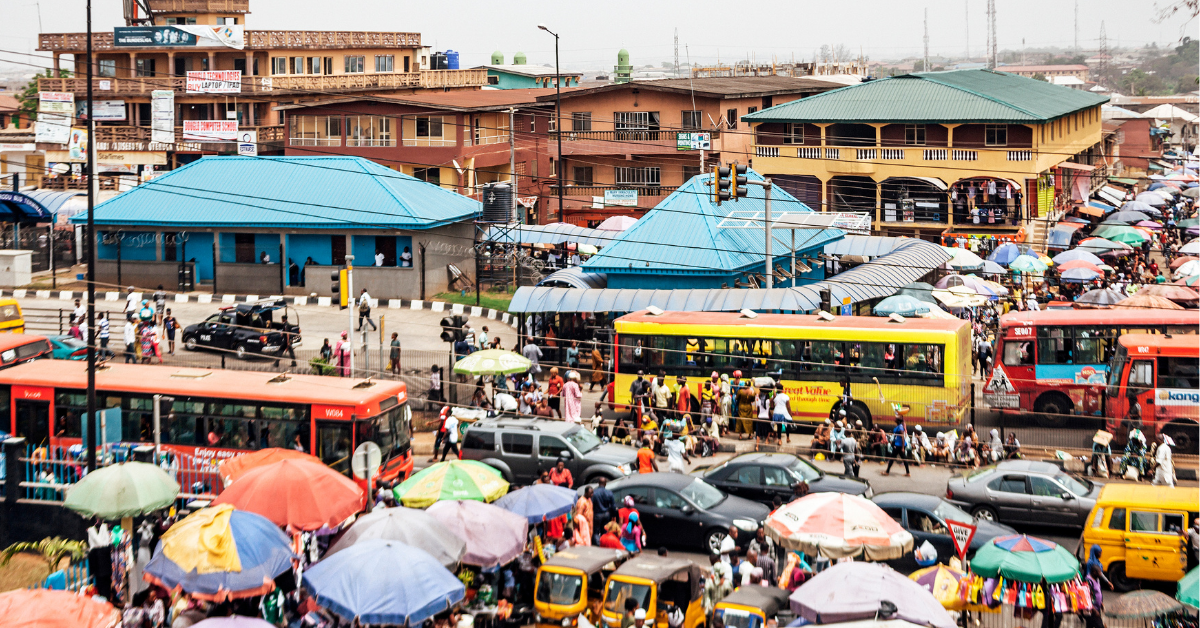
In a quiet corner of an office in Abuja, a printer hums, spitting out sheets of paper covered in dense columns of figures. These are the ledgers of a nation’s obligations. There is no drama in the ink, no sound of a ticking clock, yet these numbers dictate the quality of schools in Kano and the reliability of the power grid in Lagos. The stacks of paper represent a mountain of borrowed time and money that looms over the aspirations of 200 million people.
The weight is felt not in the halls of the Debt Management Office, but in the budget meetings where “what is left” is calculated after the creditors are paid. It is the sound of a door closing on a dozen planned hospitals and a hundred miles of new rail. Nigeria, the giant of the continent, is finding that its stride is shortened by the very chains it used to fund its growth.
The Pivot: The Cost of a Deficit
Nigeria’s foreign debt has surged to $51.86 billion, a leap driven by a hunger for Eurobonds and syndicated loans. This isn’t just a matter of bookkeeping; it’s a fundamental challenge to the country’s sovereignty. When debt servicing consumes 30% of the national budget, the government effectively becomes a collection agency for international lenders before it can serve its own citizens.
The “Macro” reality is a paradox. To build the infrastructure needed to escape poverty, Nigeria must borrow. But the cost of that borrowing—$5.2 billion in servicing fees last year alone—is becoming the very thing that keeps the country tethered to a cycle of deficits.
Why It Matters: The Creditor Mix
The composition of Nigeria’s debt reveals a complex web of global dependencies:
- The Eurobond Burden: Growing to $18.55 billion, these market-based loans are sensitive to global interest rates and investor sentiment.
- The China Factor: Bilateral loans from Beijing have climbed to $5.5 billion, funding critical infrastructure but adding to the complexity of future negotiations.
- The World Bank Anchor: With $24 billion owed to the multilateral lender, Nigeria is deeply integrated into the global financial architecture’s “safety net,” which comes with its own set of policy prescriptions.
The Structural Analysis: Plugging the Holes
The reliance on debt is a symptom of a revenue problem. With a low tax-to-GDP ratio and a heavy dependence on oil exports, the nation uses credit to fill the gaps left by an undiversified economy. The official data from the DMO shows a trajectory that is difficult to sustain without a massive uptick in domestic productivity or a radical restructuring of the debt stock.
The official in Abuja files the report, the paper sliding into a drawer with a soft thud.
A nation can borrow its way into the future, but eventually, the future arrives and asks for its change.