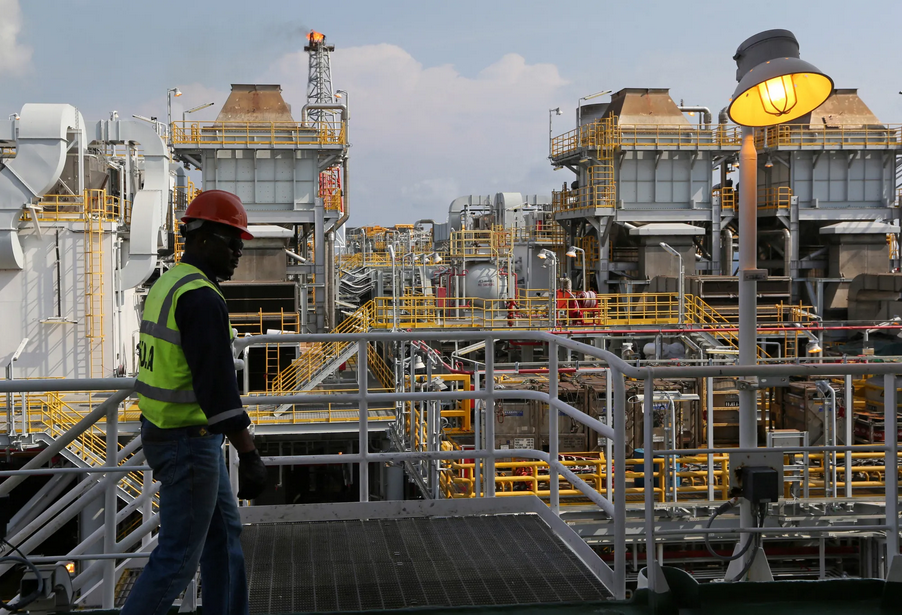
While the world watches Middle East tensions, Nigerian oil producers have quietly done what they do best: ramp up output and turn crisis into cash. Latest data from the Nigerian Upstream Petroleum Regulatory Commission shows daily production has climbed above 1.6 million barrels per day – the highest level in 18 months.
Companies like Seplat Energy and Aradel Holdings are leading the charge, bringing mothballed wells back online and fast-tracking new developments in the deepwater fields.
The extra revenue is already flowing into government coffers at a time when foreign reserves desperately need reinforcement. Finance Minister Wale Edun confirmed yesterday that the surge has added $450 million in extra foreign exchange in the past 30 days alone.
“This is Nigeria at its resilient best,” says Dr. Amina Mohammed, a senior economist at the Lagos Business School. “We’re not just pumping oil – we’re converting geopolitical volatility into economic stability.”
For host communities in the Niger Delta, the benefits are starting to materialize faster than ever. New corporate social responsibility agreements include direct equity stakes for local cooperatives and vocational training programs that have already placed 1,200 youths into technical roles.
The Dangote Refinery itself is a major buyer of this incremental crude, creating a virtuous domestic loop that keeps more value inside the country. Analysts predict Nigeria could become a net exporter of refined products by Q4 2026 if current trends hold.
Investors are responding. Share prices of upstream players have jumped between 12 and 22 percent on the Nigerian Exchange since the production uptick began. International oil majors are accelerating partnership talks, sensing that Nigeria is finally delivering the stability they’ve long demanded.
Of course, the sector still faces challenges – pipeline security, community engagement, and the long-term energy transition. Yet the current momentum shows what clear policy direction and private-sector agility can achieve.
A young engineer I met at a Port Harcourt flow station summed up the mood perfectly: “Two years ago we were laying off staff. Today we’re hiring and dreaming bigger. Oil money is finally working for Nigerians, not against us.”
In the complex chessboard of global energy, Nigeria just made a decisive move. The pieces are falling into place – and this time, the home team is winning.