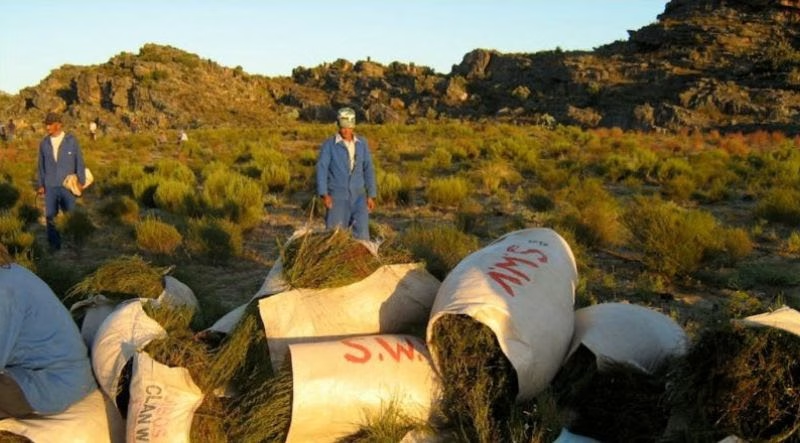
South Africa’s landmark 2019 rooibos benefit-sharing deal was hailed as a breakthrough for Indigenous people, but small-scale farmers say the reality tells a different story. The agreement legally recognized the role of San and Khoi traditional knowledge and introduced a levy to share profits from the $50 million-a-year rooibos industry. Yet research shows that white-owned companies still control 93% of rooibos land, leaving Indigenous growers with just 2% of production and only 5% of the benefits. Many farmers also feel excluded from decision-making, questioning who truly represents them. Critics warn that without land reform and broader inclusion, the deal risks entrenching inequities rather than dismantling them.
The Conversation