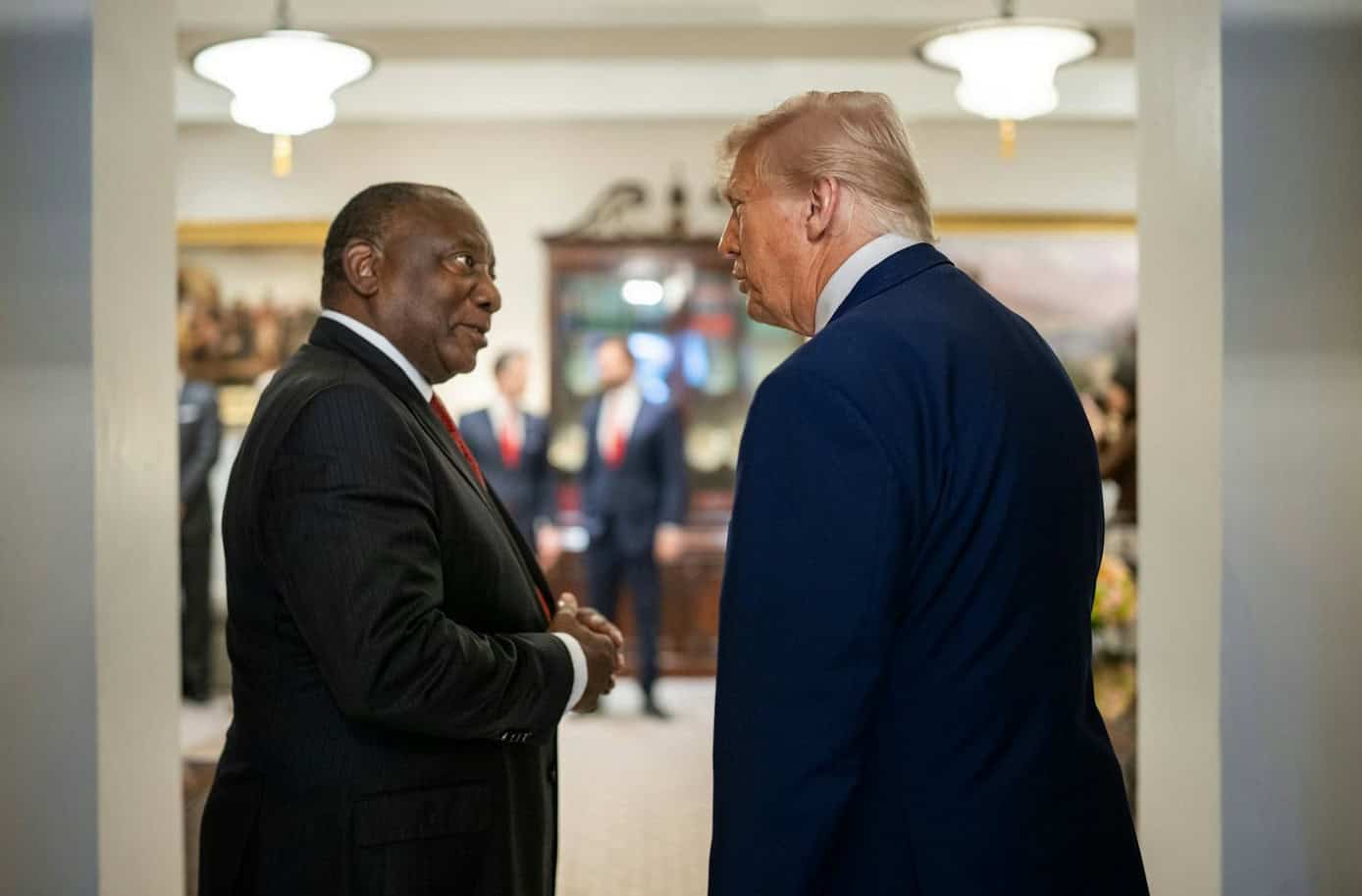
South Africa’s calls for negotiations in the Russia-Ukraine war and its case against Israel at the International Court of Justice have drawn criticism from Western partners, who view its stance as inconsistent. However, researchers argue it is in line with the country’s recent history. Since apartheid ended in 1994, South Africa has built a foreign policy around mediation, multilateralism, and non-alignment, a tradition shaped by its own hard-won democratic transition. That approach worked beautifully in a cooperative world. But today’s polarized landscape—where Washington demands loyalty and trade benefits hang in the balance—has turned principle into liability. While analysts do not expect Pretoria to abandon its mediation-first stance, they recommend that it double down on regional leadership and apply its principles consistently to maintain its credibility.
The Conversation