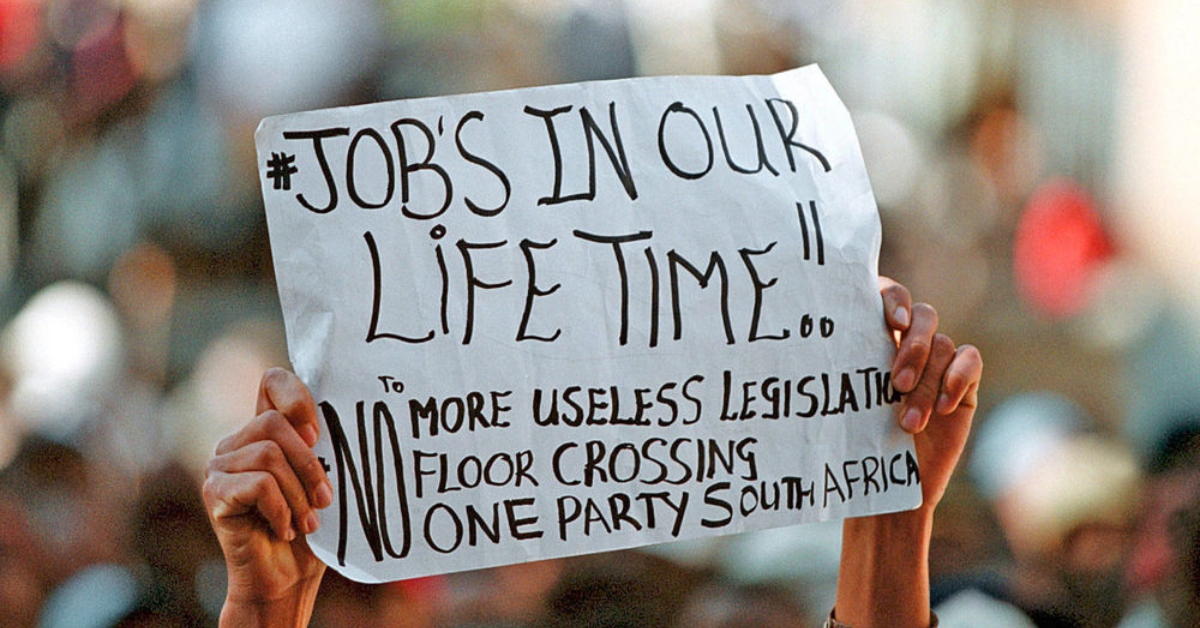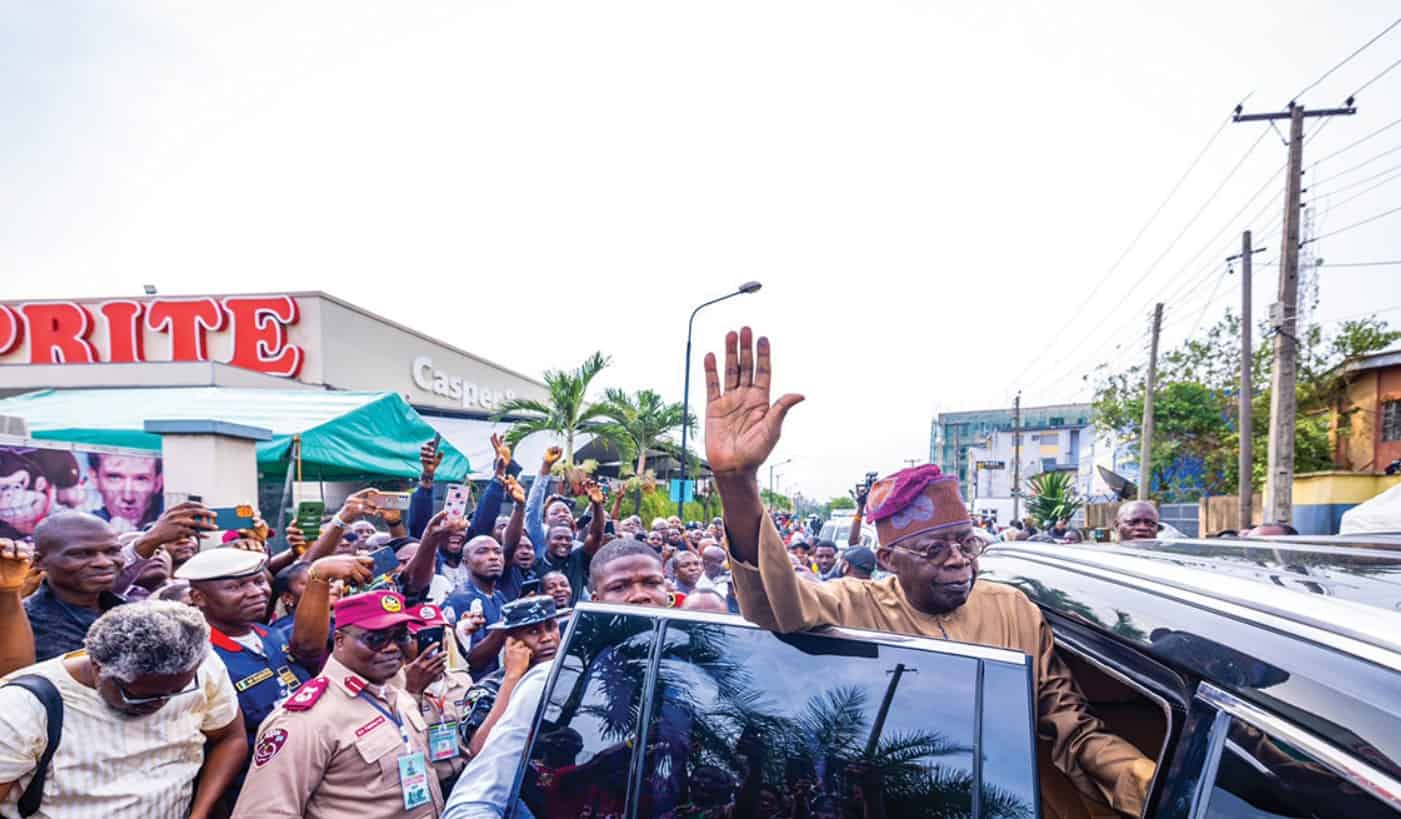
As Bola Ahmed Tinubu approaches three years in office, his reform-heavy agenda is reshaping Nigeria’s economic and political landscape with mixed results. By removing fuel subsidies and unifying exchange rates, his administration has won cautious support from investors and boosted government revenues, strengthening its leverage in global markets. Yet ordinary Nigerians are bearing the cost through rising living expenses, eroding public trust and weakening domestic political capital. While international partners gain confidence in Nigeria’s reform trajectory, citizens and small businesses remain under pressure. The coming months will test whether macroeconomic gains translate into tangible relief, determining if Tinubu’s high-risk strategy delivers long-term stability—or deepens public discontent.
African Business