A dispatch and reflection from the 2026 World Bank Spring Meetings
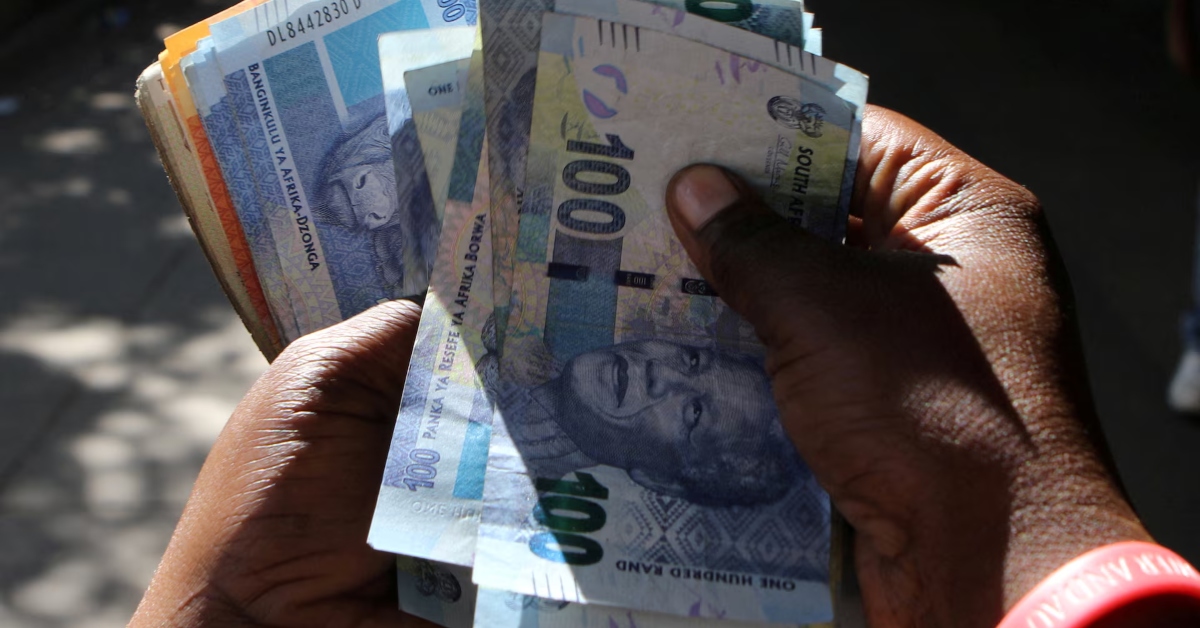
Last week in Washington, the streets were crowded with global finance leaders, heads of state, business owners, civil society actors, and media gathered to discuss the current state of the global economy. The numbers that framed the week were sobering. OECD data confirmed a 23% decline in global official development assistance from 2024 to 2025, the largest single-year drop in decades. For the first time in nearly thirty years, the US, UK, France, and Germany all cut development aid for two consecutive years. New research from ONE Data and the Rockefeller Foundation found that the cost of borrowing for African countries rose 91% between 2020 and 2024. Even China, long positioned as an alternative to Western-dominated finance, raised its lending rates for African countries from 2.5% to 5.7%. Countries in the squeezed middle, like Kenya and Ghana, took the hardest hit. This is the world that brought everyone to Washington. Not a moment of celebration. A moment of reckoning.
Every spring, IMF and World Bank leadership convene with finance ministers, civil society leaders, heads of state, and investors to take stock of global development finance and chart a path forward. Much like the UN General Assembly in September, Washington becomes a convening ground where every major institution, think tank, government, and private sector player organizes side events, panels, and roundtables to capture the leadership coming to town. Traditional development institutions sit alongside think tanks, private sector actors, advocacy organizations, and media. US and foreign governments, finance ministers, investors, and bankers all try to get into the same rooms. The official agenda matters. What happens on the sidelines often matters more.
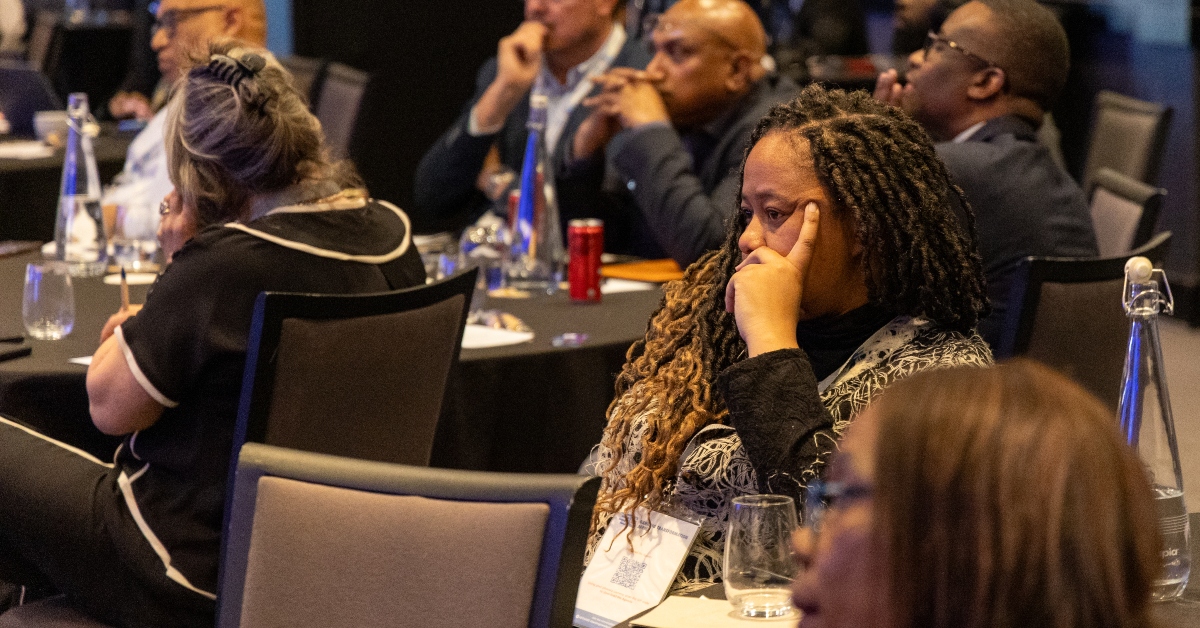
I attended 14 events across 4 days. I heard from my own government and foreign governments, listened to African finance ministers, business leaders, and investors trying to connect dots, meet partners, and solve their communities’ biggest challenges. That is what these meetings are for.

Founded in 2017, the African Women Leaders Network has become one of the most important spaces on the continent’s leadership calendar. This year, Ngozi Okonjo-Iweala’s interventions were a masterclass in using influence with purpose. She offered concrete business ideas and frameworks that participants could act on immediately, and you could feel the room shift as women recalibrated their sense of their own power. Eight years in, this network continues to deliver exactly what it was built for. That sense of agency carried into the sidelines as well.
On the sidelines, Cybastion formalized a strategic partnership with the Democratic Republic of Congo to build out digital infrastructure across data centers, connectivity, fintech, cybersecurity, and AI. The DRC holds some of the world’s most significant mineral reserves. Who builds the digital systems that govern how those resources are managed and monetized is a sovereignty question as much as a technology one. This partnership represents the DRC asserting agency over its own digital future.

At the Atlantic Council’s Investing in Africa Forum, Aliko Dangote made the case that Africa’s greatest investment challenge is not fundamentals but perception. Global investors consistently overestimate risk on the continent, and that gap continues to cost Africa billions in suppressed foreign direct investment. His argument was that African investors must lead, because confidence follows capital. He was candid that entrenched interests are actively working against Africa’s industrial growth. Nigeria becoming a net exporter of petrol in March 2026 for the first time in decades was his evidence that those interests can be overcome. Dangote’s presence across multiple stages this week, from the Atlantic Council to Semafor’s World Economy Summit, signaled something broader: Africa’s private sector is no longer waiting to be invited to these conversations. The continent is defining itself as a brand, not just a beneficiary.
The US Development Finance Corporation’s announcement of a new $205 billion cap and a shift toward larger, higher-risk commercial deals was another defining moment. Every public dollar deployed should attract three to five times in private capital. The opportunity for Africa is real, but so is the importance of engaging on clear terms. Development finance is increasingly shaped by strategic interests, and the countries that benefit most will be those that arrive with defined priorities and the confidence to negotiate as equals. The substantive investment conversations centered on green trade, digital trade, supply chain decarbonization, and critical minerals, with Namibia, the DRC, and Guinea each representing distinct opportunity sets. These are not hypothetical markets. They are active ones, with governments that know what they want and what they expect in return. Africa is not asking to be saved. It is asking to be taken seriously as a partner.
Moky Makura, CEO of Africa No Filter, wrote recently that Africa is in a golden age of conferences, but the follow-up is almost always missing. Signing ceremonies happen, initiatives get launched, and then no one asks what actually changed. She called for progress sessions at major gatherings where leaders report back on what they achieved since they last met. These meetings matter not because the conversations are always new, but because of what happens between people in those rooms. The trust built over a dinner. The introduction made between a minister and an investor on the margins of a panel. The follow-up call that happens because two people were in the same place at the same time. That is where change begins.
This piece is a contribution to the accountability Moky is calling for. MOUs get signed. Initiatives get named. Frameworks get endorsed. The question this space will keep returning to is a simple one: then what?
Four threads worth watching in the months ahead.
- Whether the DFC’s new $205 billion cap and its shift toward larger commercial deals delivers genuine development impact alongside returns. The model is ambitious, but development finance history is full of announcements that favored bankable projects over the communities that needed investment most.
- What happens to this week’s commitments when the world reconvenes at UNGA later in 2026. MOUs and frameworks signed in April tend to lose momentum by September, and the gap between what was promised in Washington and what gets reported in New York will be telling.
- How the decline in official development assistance reshapes the role of African domestic capital and the private sector. With Western donors pulling back in coordinated fashion for the second consecutive year, the question is no longer whether the funding gap is real. It is who fills it, on what terms, and with what conditions attached.
- And what it means that Africa’s business leaders are claiming space at global tables not by invitation, but by standing. Dangote on multiple stages, the DRC negotiating digital infrastructure on its own terms, African finance ministers arriving with defined priorities rather than aid requests. A pattern is forming, and it deserves to be tracked.