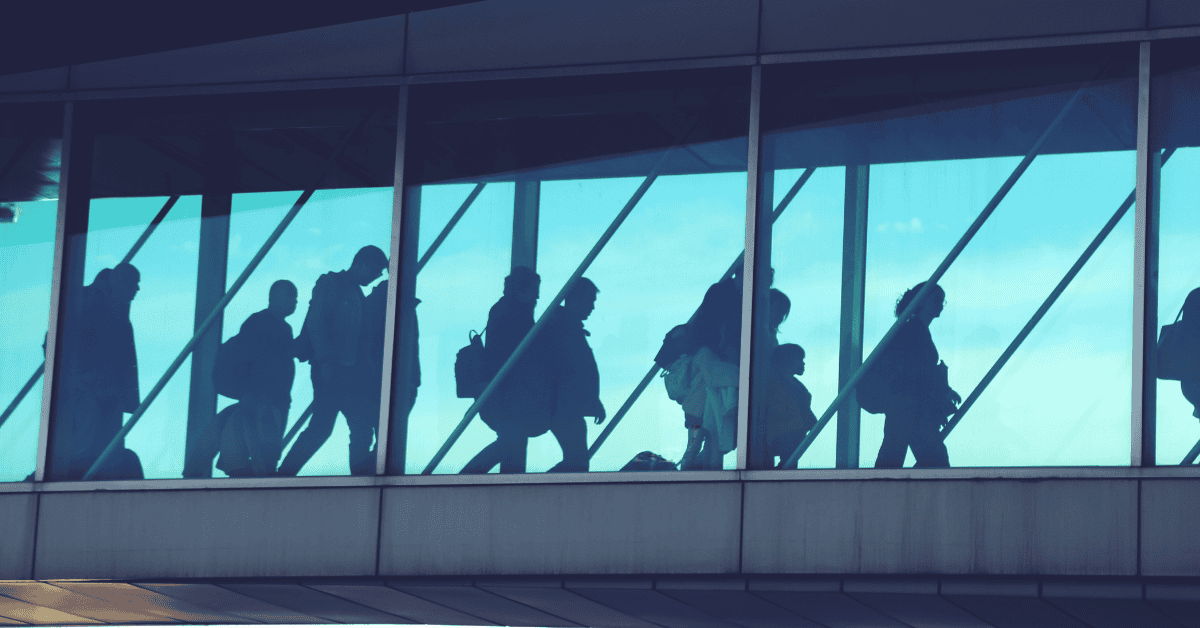

A floating paradise has become a floating prison. Three passengers aboard the Dutch expedition ship MV Hondius are dead, and at least seven others sick after a suspected hantavirus outbreak in the Atlantic off West Africa. The vessel, carrying 88 passengers and 59 crew from 23 countries, remains anchored near Cape Verde with no one allowed to disembark.
The ship left Ushuaia, Argentina, on 1 April for an Antarctic and island-hopping voyage. Somewhere in the vast ocean, rodents—likely the source of the rare virus—spread the infection. Hantavirus causes severe respiratory illness; human-to-human transmission is rare but now under investigation by the World Health Organization. One critically ill crew member was evacuated to South Africa for intensive care.
An elderly couple was among the dead. “This was meant to be the trip of a lifetime,” a fellow passenger told reporters before communications were restricted. The WHO has confirmed one laboratory-positive case and five suspected, with three fatalities. Cape Verde authorities are assisting but enforcing strict quarantine.
Hantavirus is rodent-borne, thriving in areas of poor ventilation or waste. Expedition ships, with their adventurous routes, occasionally encounter such risks. For passengers now confined to cabins, the psychological toll matches the medical emergency. The operator has promised medical evacuations to the Netherlands and Canary Islands once safe.
Health officials stress the public risk ashore remains very low. Yet for the families waiting in Europe, America, and beyond, every hour brings dread. In a world still scarred by COVID, another shipboard outbreak revives old nightmares. The MV Hondius may soon sail again—but the questions about how a luxury voyage turned lethal will linger long after.