Tuesday, June 16, 2026 - 03:38:03
Loading weather…
Latest
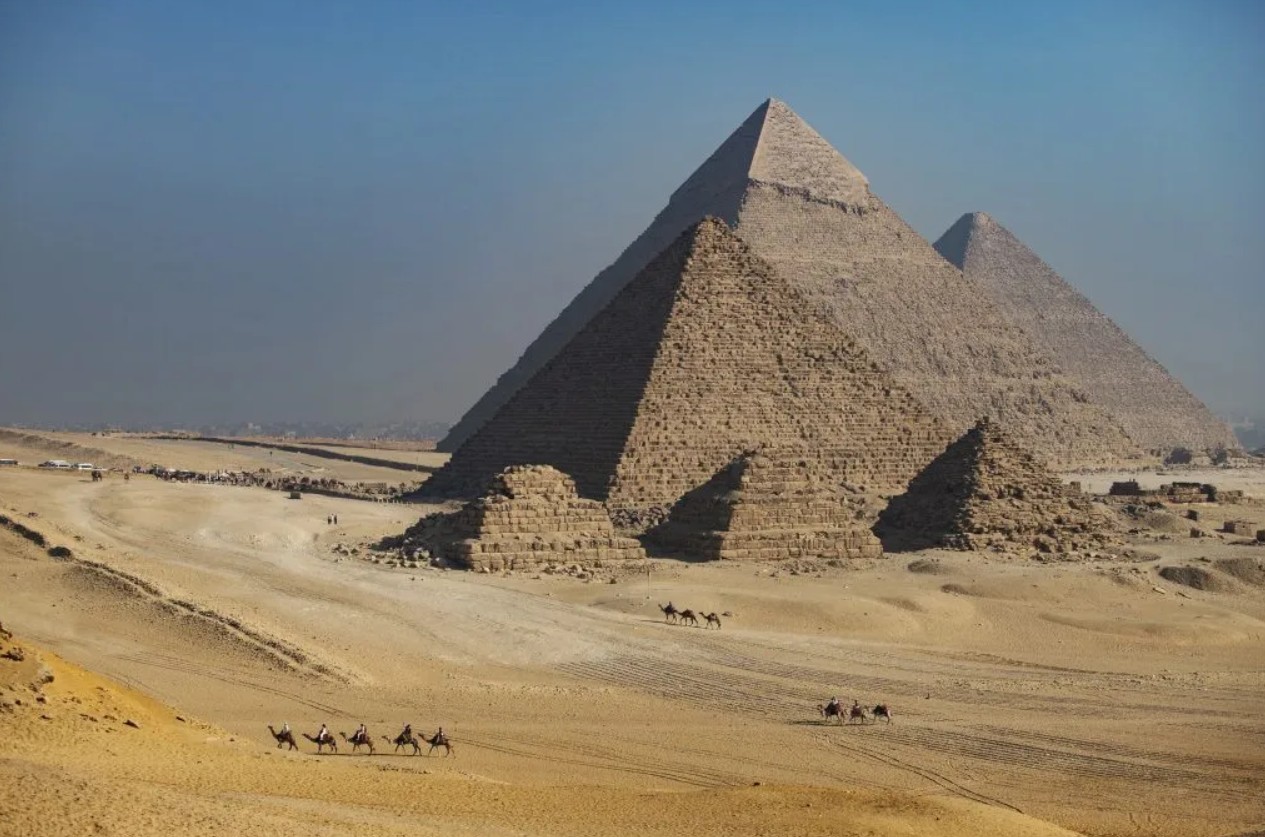
A new study published in Scientific Reports suggests that the Great Pyramid of Giza’s remarkable earthquake resilience may be the product of deliberate ancient engineering rather than mere good fortune. Researchers from Egypt’s National Research Institute of Astronomy and Geophysics placed accelerometers at 37 locations inside and around the structure, finding that internal vibrations fell […]
...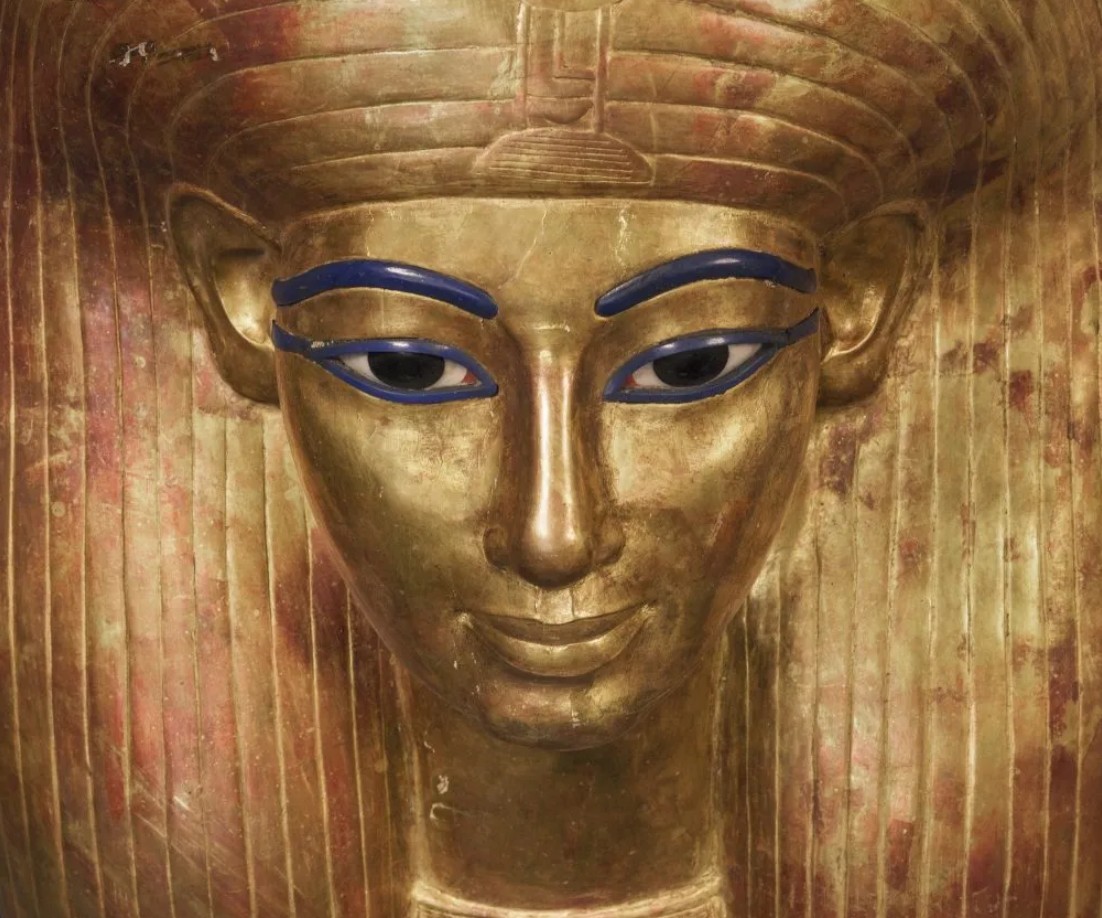
San Francisco’s de Young Museum will host the exclusive American debut of “Treasures of the Pharaohs,” a traveling exhibition featuring rare antiquities on loan from Egypt’s premier museum institutions. The spectacular show will present 130 historic artifacts spanning ancient Egypt’s origins (around 3100 BCE) through its penultimate Third Intermediate Period (1076 to 655 BCE). Curated […]
...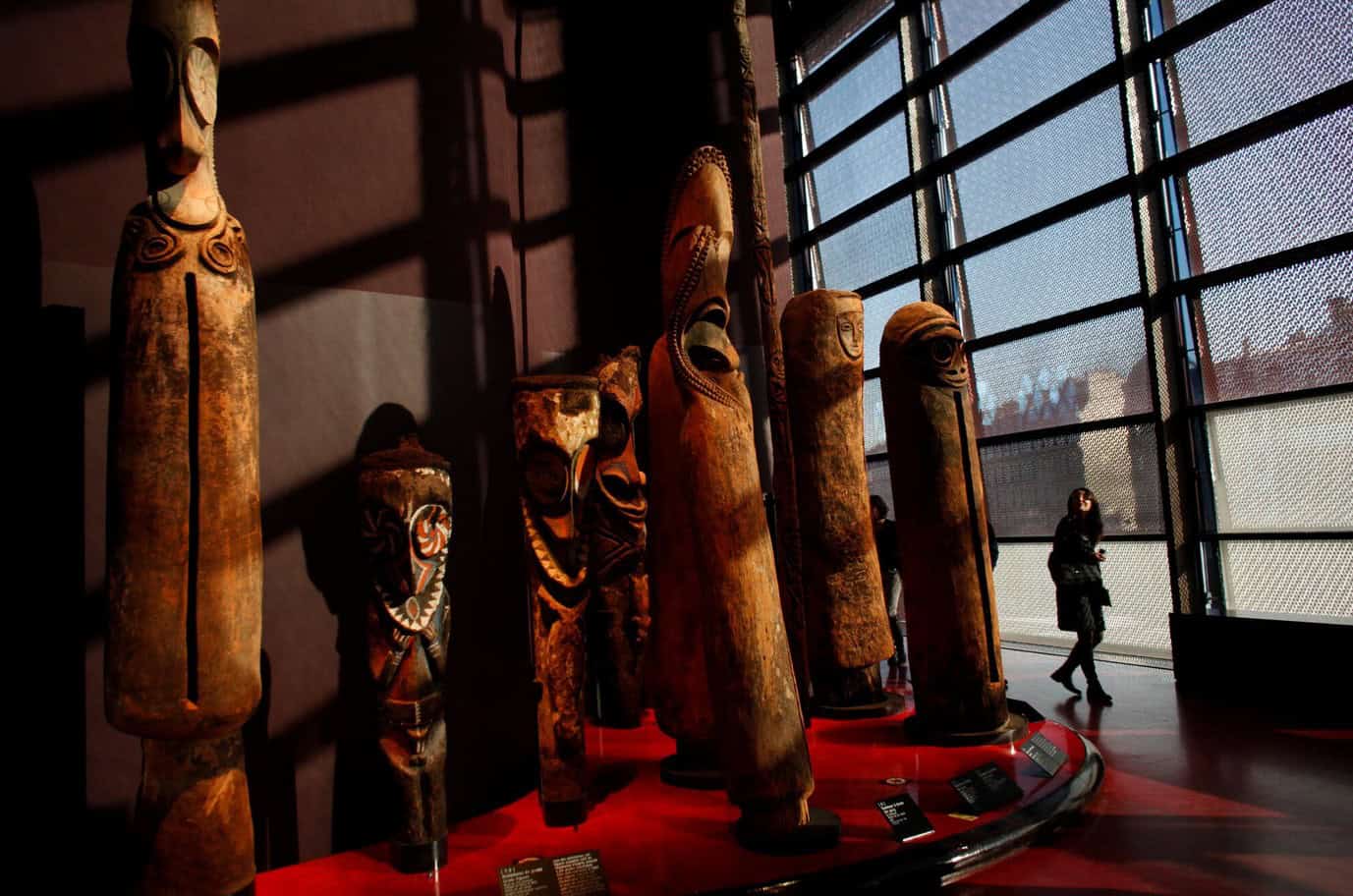
France has passed a landmark law that makes it easier to return cultural artifacts looted during the colonial era, marking a major shift in the country’s approach to its imperial history. The legislation, approved unanimously by Parliament, creates an exception to France’s long-standing rule that objects in public collections cannot be permanently removed from museum […]
...
Archaeologists excavating the ancient city of Oxyrhynchus, near modern-day Al Bahnasa, have uncovered a 1,600-year-old mummy bearing a fragment of The Iliad on its abdomen, marking a first-of-its-kind discovery. While papyri containing ritualistic formulas are common in the area, this is the first instance of a literary text being used in a funerary ritual. The […]
...
A fossilized embryo discovered near South Africa’s Eastern Cape in 2008 has just solved a 20-year scientific mystery. Using powerful X-ray technology at a French synchrotron facility, researchers confirmed that the 250-million-year-old specimen belonged to a Lystrosaurus, a pig-sized creature with a turtle-like beak that survived Earth’s most catastrophic mass extinction. Scientists identified an unfused […]
...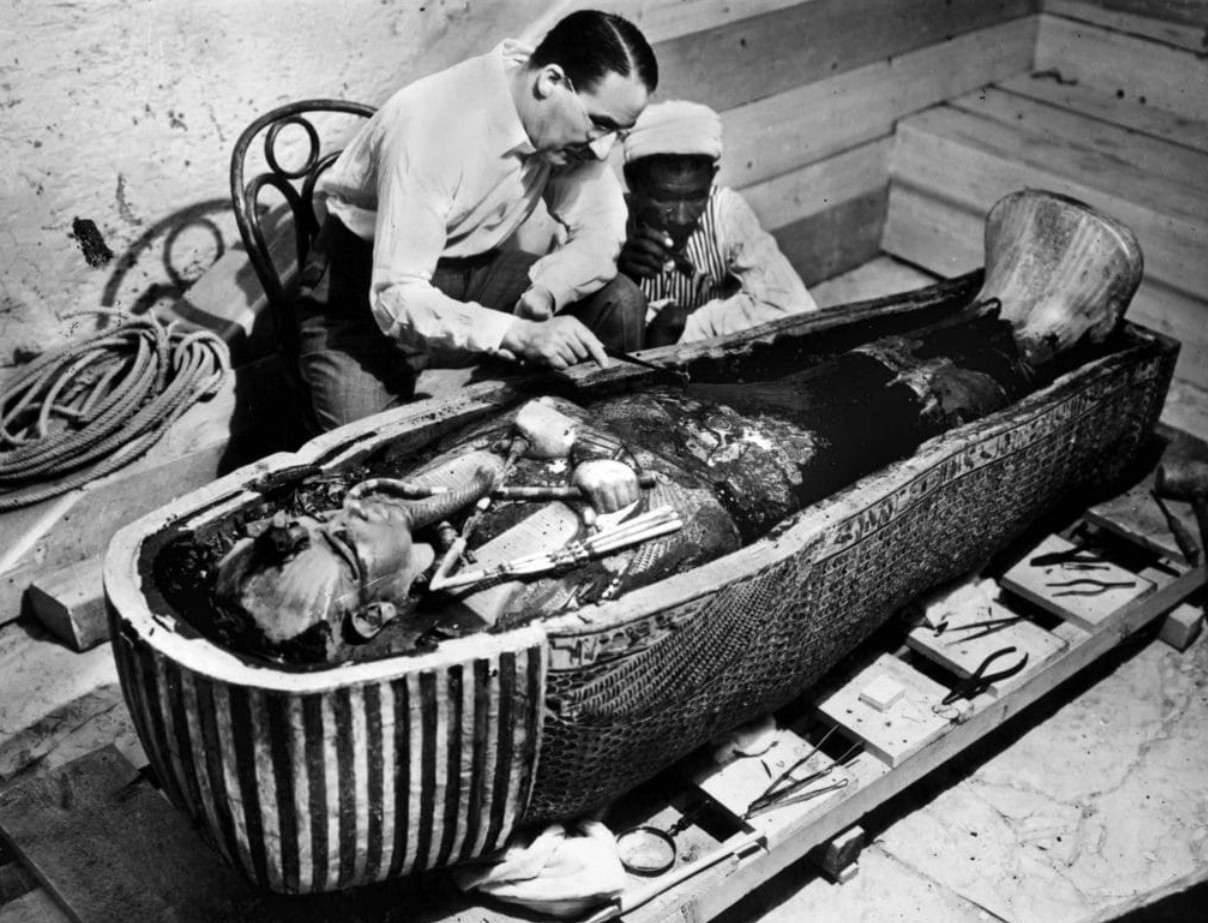
It turns out the infamous “Curse of the Pharaohs” was less about ancient magic and more about a bitter media rivalry. A recently auctioned letter from archaeologist Howard Carter reveals his disdain for journalist Arthur Weigall, whom Carter blamed for inventing the myth out of spite. Carter was the man who discovered Tutankhamun’s resting place […]
...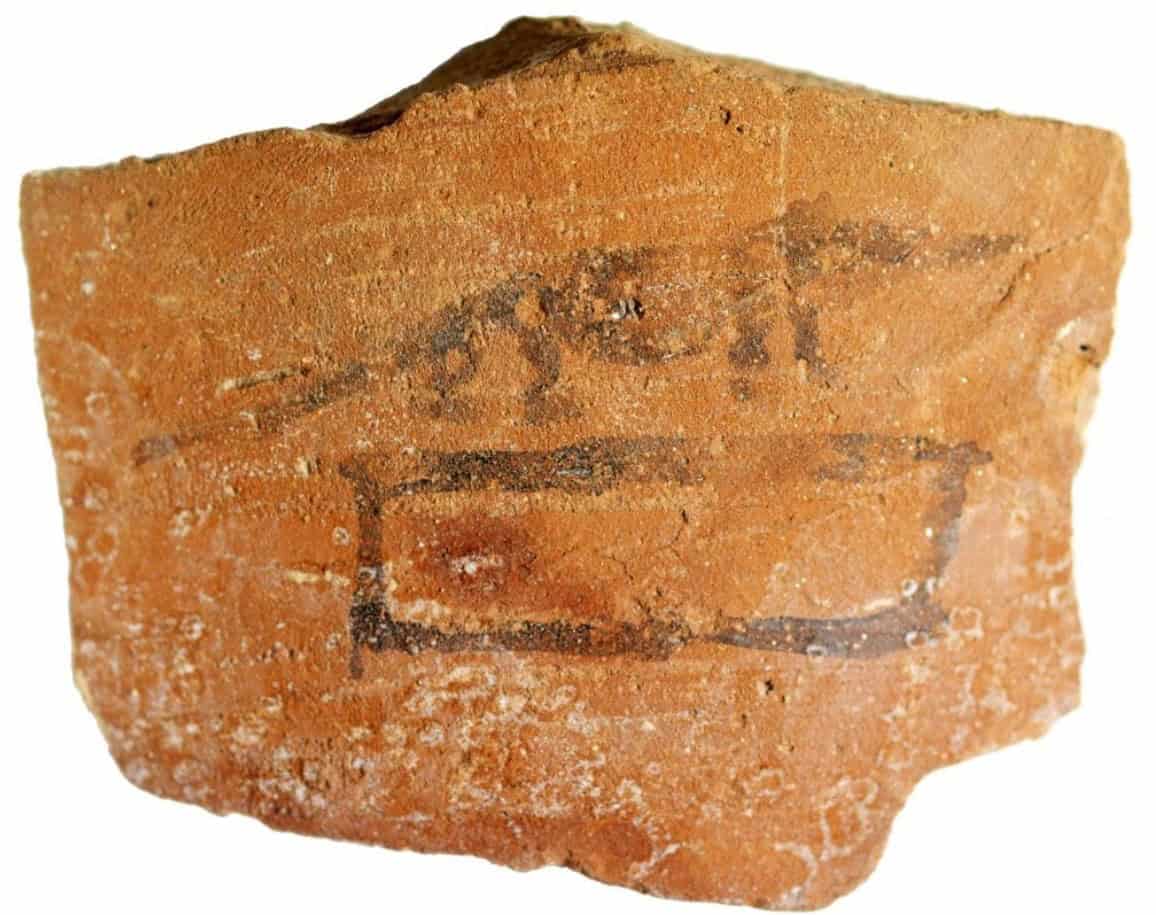
Ancient Egyptians used broken pottery shards called ostraca for their everyday messages, and archaeologists recently struck the mother lode. Excavations at Athribis, a temple complex 300 miles south of Cairo, have yielded an astonishing 42,000 ostraca over eight years, making it Egypt’s most productive such site ever. The shards—spanning scripts from Demotic and Greek to […]
...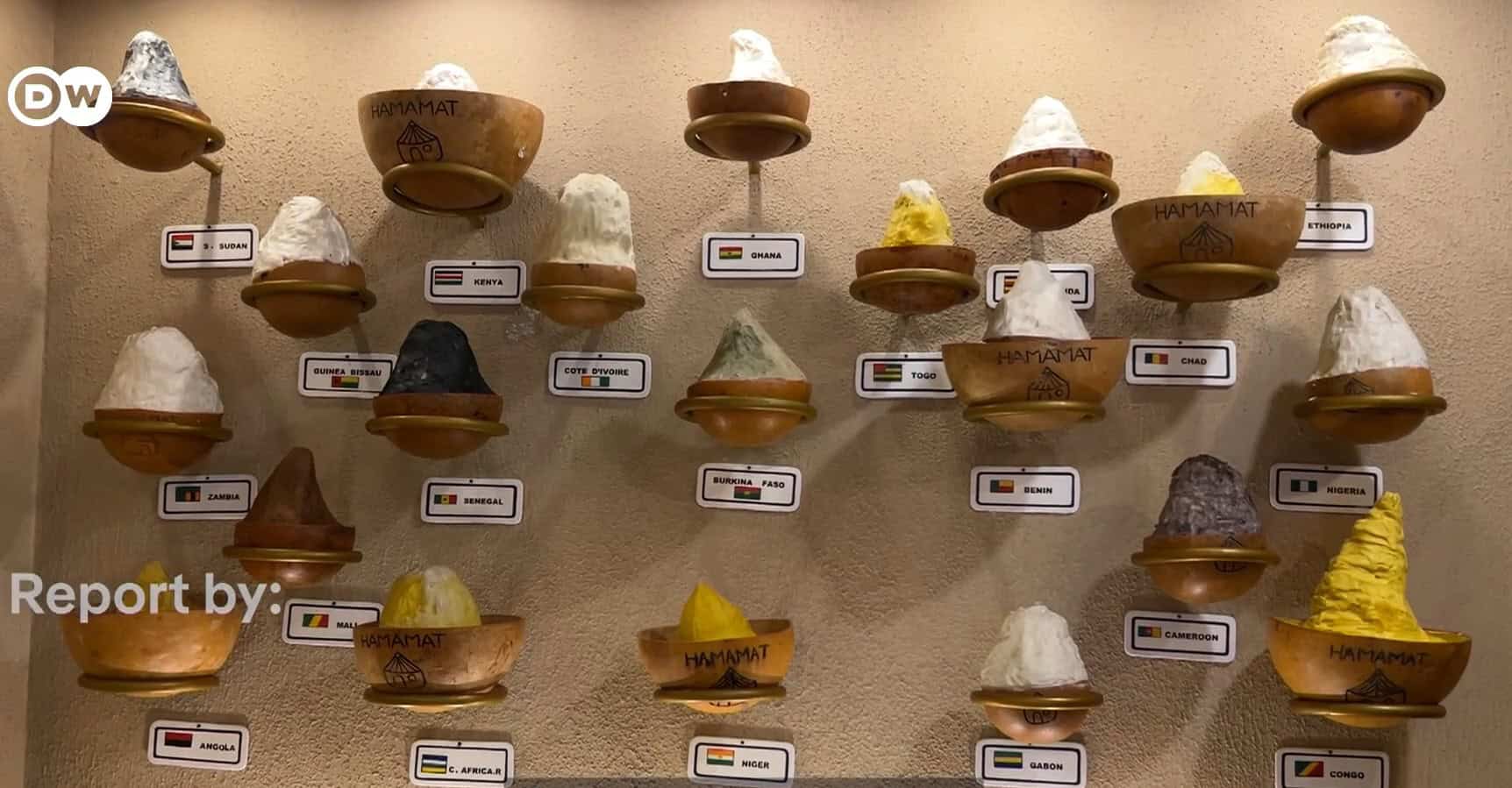
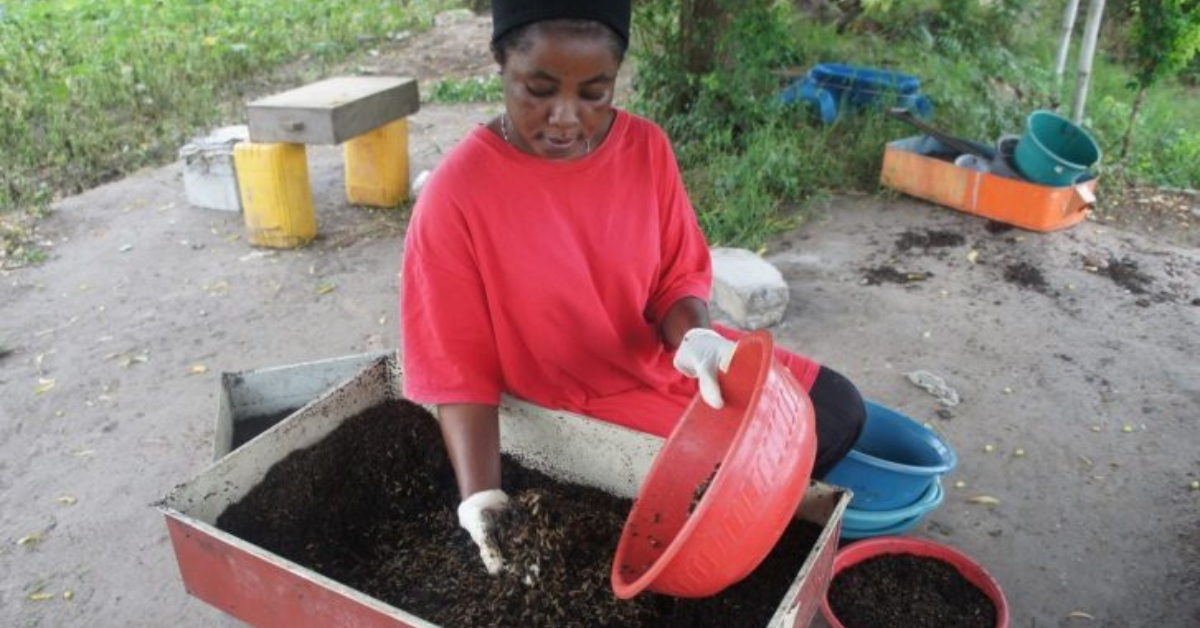
For many African women, shea butter is more than a beauty product; it is also a source of income. The shea tree, from which shea butter is made, is found only in East and West Africa. For thousands of years, Africans have used shea butter as a skin moisturizer, salve for wounds, and cooking oil. […]
...
Accra’s skyline is getting a soulful makeover thanks to Limbo Museum’s latest installation, Limbo Engawa. Created by TAELON7, this modular project breathes new life into the museum’s abandoned Brutalist skeleton and the surrounding land. Using lightweight steel frames and salvaged billboard strips, the design creates shaded seating and gathering spaces inspired by woven construction-site beds […]
...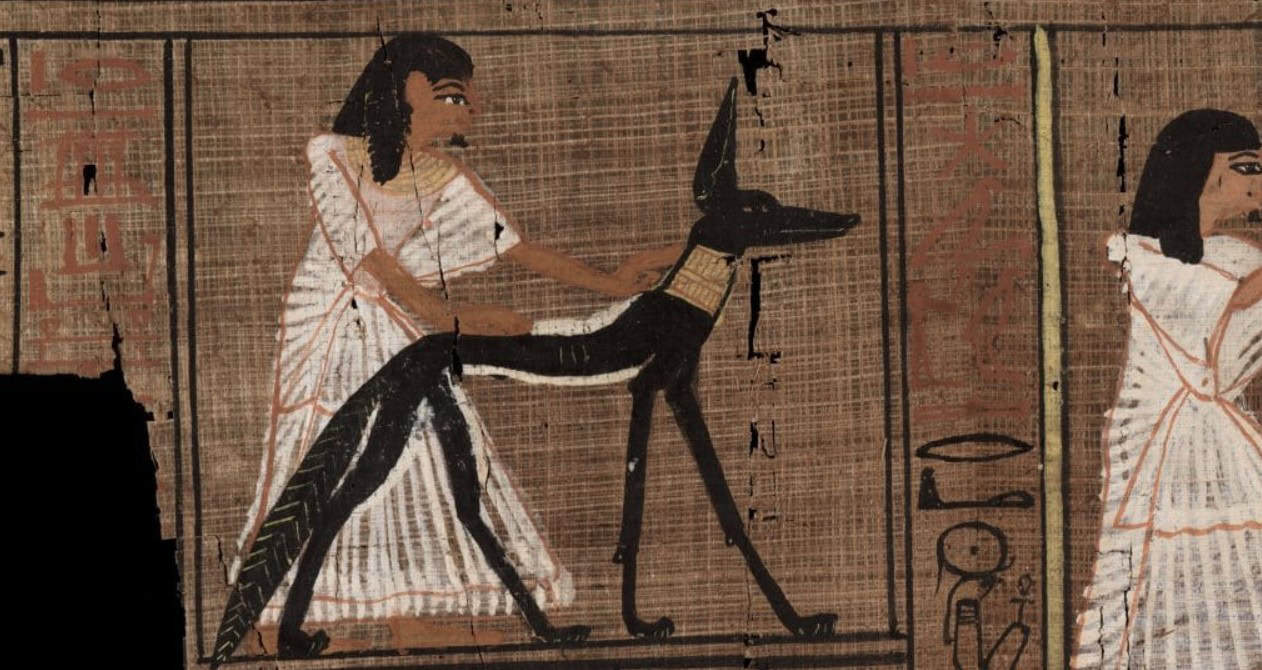
Researchers studying a 3,300-year-old papyrus at the Fitzwilliam Museum in Cambridge have uncovered an unexpected detail: ancient Egyptian artists corrected mistakes much like modern creators do. While preparing artifacts for the “Made in Ancient Egypt” exhibition, curators noticed that the outline of a jackal in a Book of the Dead made for royal scribe Ramose […]
...