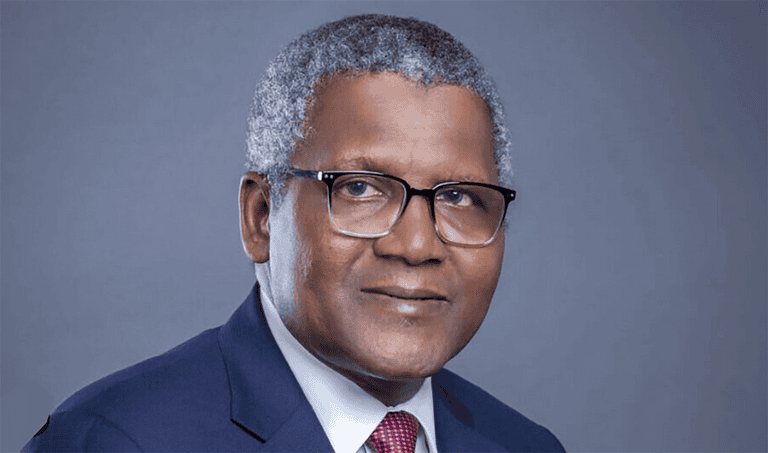
Africa’s richest man, Aliko Dangote, has thrown down the gauntlet once again. Fresh from commissioning his landmark 650,000-barrel-per-day refinery in Nigeria – the continent’s largest single-train facility – the billionaire industrialist is now setting his sights on East Africa as the next frontier for a near-identical mega-project.
Speaking at the Africa We Build Summit in Nairobi in late April, Dangote made a bold pledge: if regional governments align on policy and financing, he will lead construction of a 650,000 bpd refinery that could be operational within four to five years. Kenyan President William Ruto, who hosted the event alongside Uganda’s Yoweri Museveni, publicly backed the vision, announcing joint discussions for a facility at Tanzania’s Tanga port to process crude from Uganda, Kenya, South Sudan, and the Democratic Republic of Congo.
Yet just weeks later, the picture has shifted dramatically. In an exclusive interview with the Financial Times published over the weekend, Dangote revealed he is now “leaning more towards Mombasa” in Kenya, citing its deeper port infrastructure, larger domestic fuel market, and superior logistics compared to Tanga. Technical assessments reportedly ranked Kenya first among potential sites in Tanzania, Mozambique, and beyond. The project’s estimated price tag: $15-17 billion.
For East Africa, long crippled by fuel imports that drain foreign reserves and expose the region to global price shocks, the stakes could not be higher. The refinery would slash dependence on Middle Eastern suppliers, create thousands of direct and indirect jobs, and potentially turn Mombasa into a regional petroleum hub. Ruto’s government has already signalled willingness to co-invest through its National Infrastructure Fund, while Uganda – already pumping oil from its western fields – stands to benefit enormously from local refining capacity.
But challenges loom large. Regional politics, land acquisition, environmental concerns, and the perennial issue of securing long-term crude supply agreements remain hurdles. Tanzania, initially the frontrunner, may feel sidelined. Cross-border pipeline politics, already tense between Uganda and Tanzania over the East African Crude Oil Pipeline (EACOP), could complicate matters further.
Dangote’s track record is impressive. His Nigerian refinery, which began commercial operations in 2023 after years of delays, has begun to stabilise domestic fuel supply and reduce Nigeria’s import bill. Yet critics point to the project’s heavy debt financing and questions over feedstock security as cautionary tales.
Analysts say success in East Africa will hinge on ironclad government guarantees. “Dangote doesn’t build on promises alone,” one energy consultant in Nairobi told reporters. “He needs fiscal incentives, offtake agreements, and political stability across borders.”
As East Africa’s oil producers – Uganda, Kenya, and South Sudan – edge closer to first oil, the timing feels prescient. A regional refinery could accelerate industrialisation, lower pump prices, and bolster energy security at a moment when global volatility from Middle East tensions continues to rattle markets.
Dangote himself remains characteristically confident. “If we agree with the three or four governments here about the refinery, we will lead and we’ll make sure that refinery is built within the next four or five years,” he declared in April.
Whether the final site lands in Mombasa or elsewhere, one thing is clear: Africa’s most ambitious industrialist is betting big on the region’s future. For East Africans weary of imported fuel and imported solutions, Dangote’s refinery could be the transformative project they have long awaited – provided the politics align as swiftly as his ambition.