
East Africa

All About Tanzania
What You Need to Know
Tanzania is one of East Africa’s largest and most geographically diverse nations, known for political continuity, iconic wildlife landscapes, and a long Indian Ocean coastline. Home to Africa’s highest peak and some of the world’s most celebrated national parks, Tanzania blends conservation leadership with steady economic growth. Long shaped by trade, union politics, and a strong national identity, the country plays a central role in East African integration and tourism.
Tanzania at a Glance
Capital: Dodoma
Population: ~67–68 million
Official Languages: Swahili, English
Government: Presidential republic
Economy: Agriculture- and services-led, with tourism and mining
Key Strengths: Natural assets, political stability, regional connectivity
Regional Role: Economic and logistical anchor in East Africa
Why Tanzania Matters
Tanzania matters because of its scale, stability, and stewardship of globally significant natural heritage. As a founding member of the East African Community and a key transit country for landlocked neighbors, Tanzania influences trade, diplomacy, and regional growth. Its tourism sector, anchored by world-renowned parks and Zanzibar, is a major source of foreign exchange and employment.
Geography and Location
Tanzania is located in East Africa, bordered by Kenya and Uganda to the north, Rwanda, Burundi, and the Democratic Republic of Congo to the west, Zambia and Malawi to the south, Mozambique to the southeast, and the Indian Ocean to the east.
The country’s geography includes Mount Kilimanjaro, the Great Rift Valley, vast savannahs, fertile highlands, major lakes (Victoria, Tanganyika, and Nyasa), and a long tropical coastline. This diversity supports agriculture, tourism, fisheries, and transport.
People and Society
Tanzania has a population of approximately 67–68 million people and is home to more than 120 ethnic groups. A shared national language—Swahili—has been central to social cohesion and national unity.
Christianity and Islam are the dominant religions, often practiced alongside traditional beliefs. Urbanization is accelerating, with Dar es Salaam as the country’s commercial hub, while Dodoma serves as the political capital.
A youthful population contributes to labor supply and consumer growth.
A Brief Historical Context
The region that is now Tanzania was deeply integrated into Indian Ocean trade networks for centuries. German colonial rule began in the late 19th century, followed by British administration after World War I.
Tanganyika gained independence in 1961, and in 1964 it united with Zanzibar to form the United Republic of Tanzania. Under founding leader Julius Nyerere, the country pursued a strong sense of national identity and non-aligned diplomacy.
Political continuity and relative stability have been defining features of Tanzania’s post-independence history.
Government and Politics
Tanzania is a presidential republic with a dominant ruling party and regular elections. Governance is centralized, though Zanzibar maintains a semi-autonomous political structure.
Political debate focuses on economic reform, governance, service delivery, and balancing development with democratic openness.
Economy: Agriculture, Tourism, and Resources
Tanzania’s economy is driven by agriculture, which employs a majority of the population, alongside services, tourism, and mining. Key agricultural products include maize, rice, coffee, and cashews.
Major economic sectors include:
- Tourism and hospitality
- Gold and mineral mining
- Transport and logistics
- Construction and energy
Infrastructure investment and regional trade corridors support long-term growth.
Trade, Diplomacy, and Regional Influence
Tanzania is a leading member of the East African Community (EAC) and the Southern African Development Community (SADC). Its ports—especially Dar es Salaam—serve as gateways for landlocked countries including Rwanda, Burundi, Zambia, and the DRC.
The country plays a constructive role in regional diplomacy and peace efforts.
Tourism and Natural Heritage
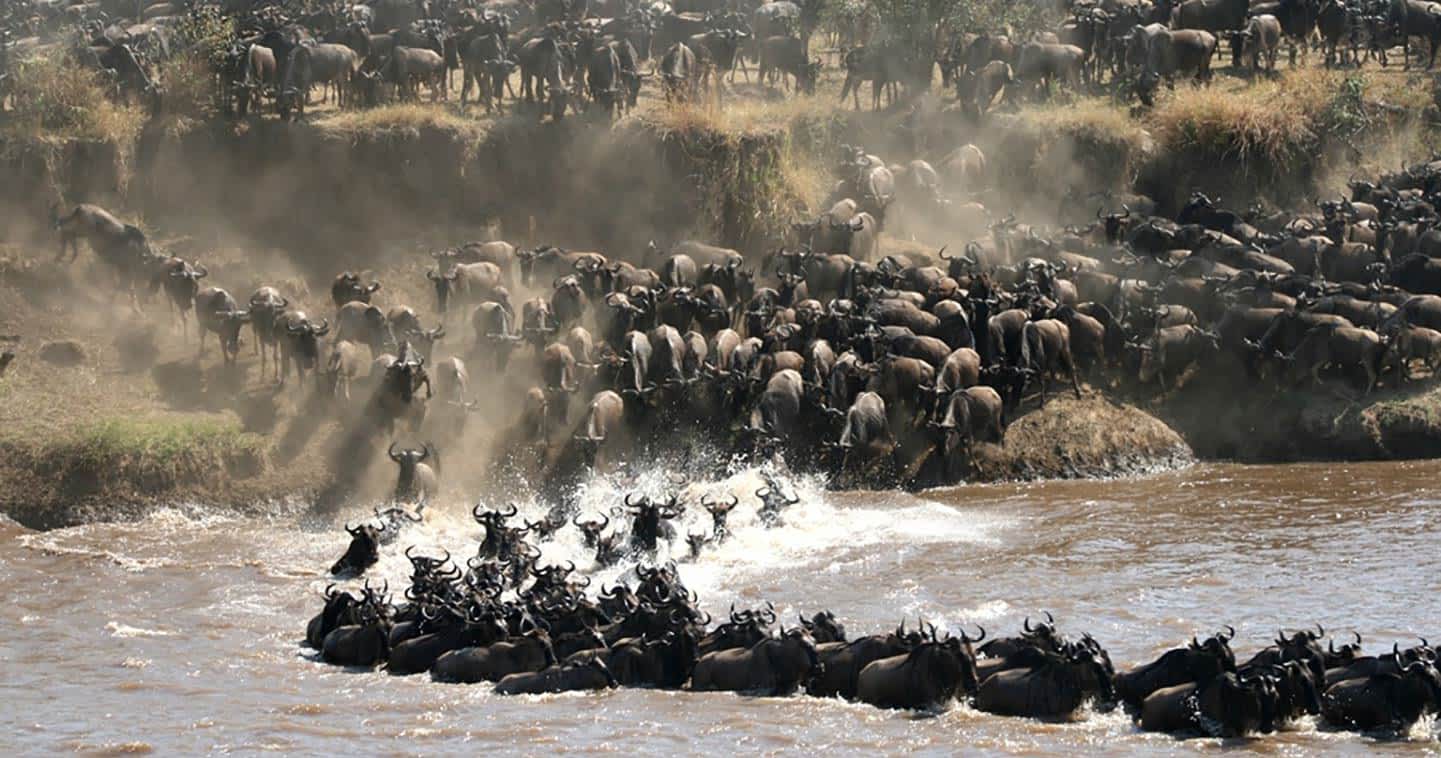
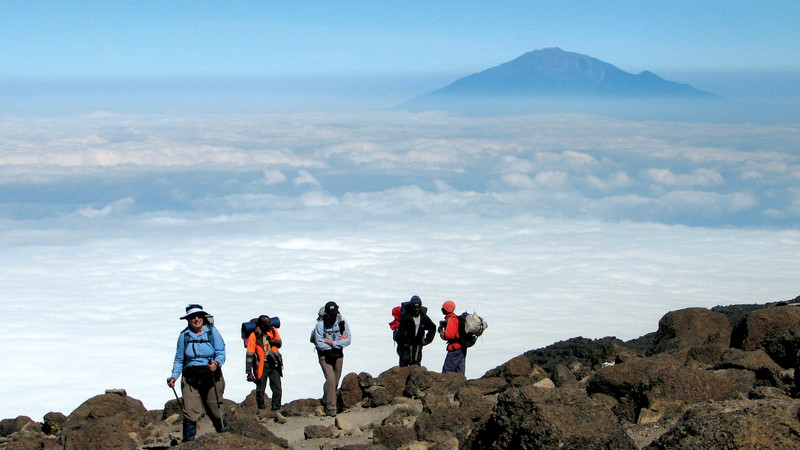
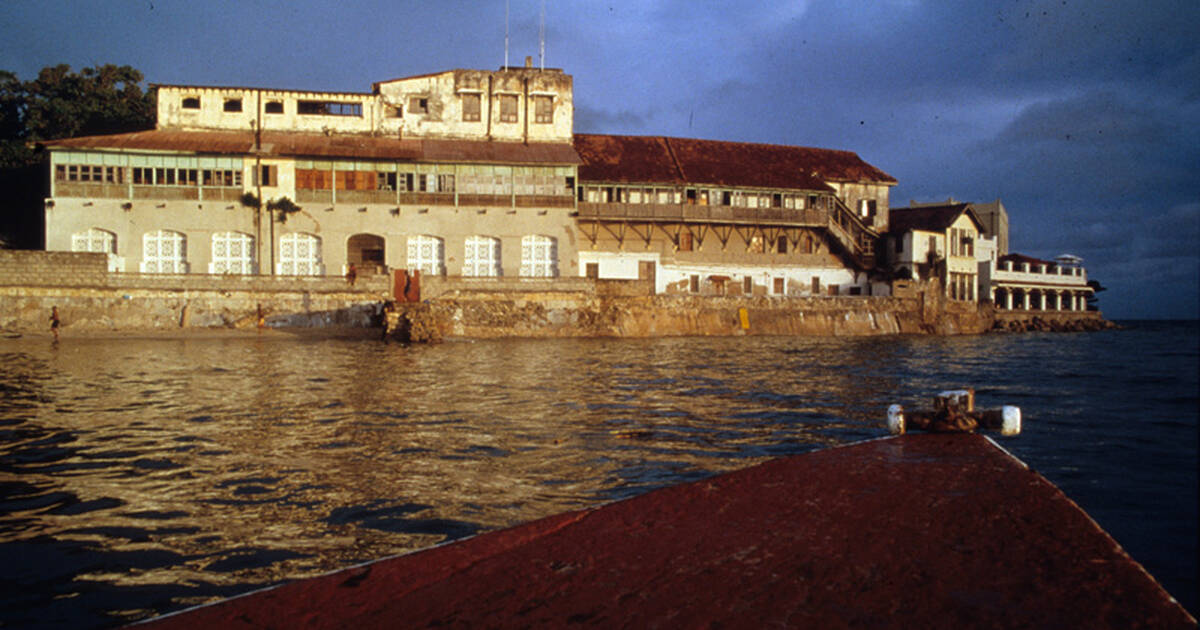
Tourism is one of Tanzania’s most visible strengths. The Serengeti, Ngorongoro Crater, Mount Kilimanjaro, and Zanzibar’s Stone Town— a UNESCO World Heritage Site—are global icons.
Conservation-based tourism supports biodiversity protection and community livelihoods, making Tanzania a leader in wildlife tourism.
Safety and Travel Considerations
Tanzania is generally considered safe for visitors, particularly in major cities and established tourist areas. Travelers are advised to exercise normal caution, follow local guidance, and plan carefully when traveling in remote regions.
Culture and Daily Life
Tanzanian culture emphasizes community, respect, and shared identity. Music, dance, storytelling, and cuisine reflect diverse ethnic traditions unified by Swahili culture.
Daily life centers on family, markets, agriculture, and urban enterprise, with strong social ties across rural and urban communities.
Sports and National Identity
Football is Tanzania’s most popular sport and a key source of national pride. Athletics and community sports are also widely followed, contributing to youth engagement and social cohesion.


