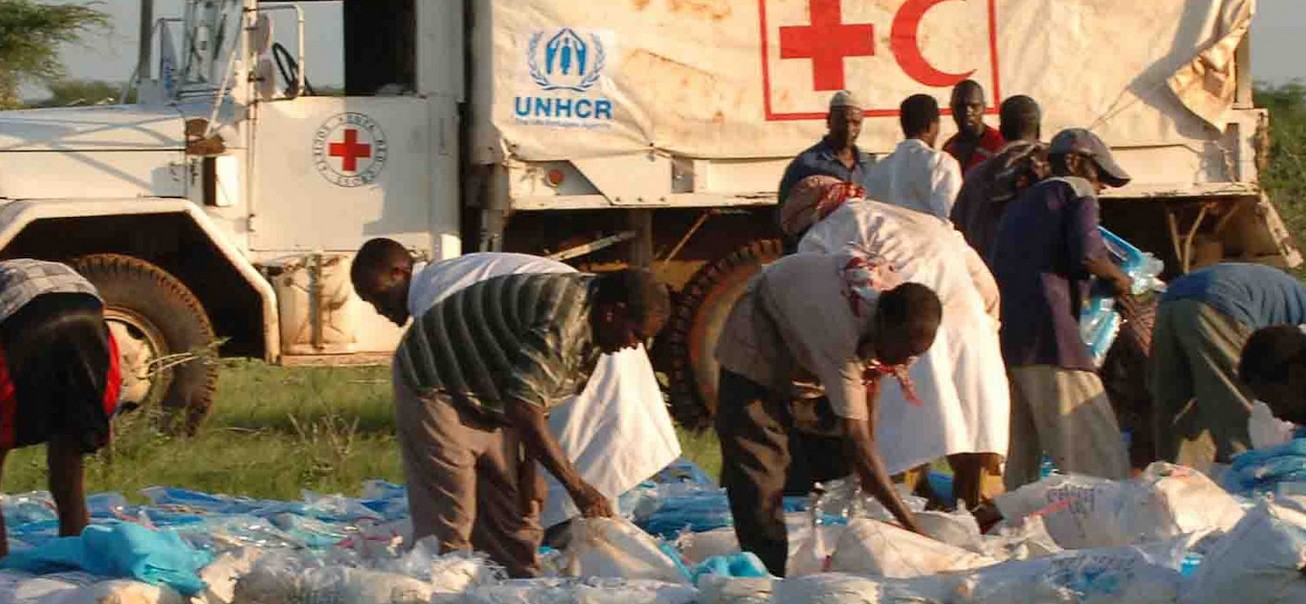
Kenya is pursuing an ambitious policy shift, the Shirika Plan, to gradually convert refugee camps into self-sustaining municipalities where refugees and host communities share services, infrastructure, and economic opportunities. Developed with the UN refugee agency, the initiative builds on Kenya’s 2021 Refugee Act and seeks to integrate nearly one million refugees—mostly from Somalia and South Sudan—into the broader economy rather than confine them to camps. If successfully implemented, the plan will provide refugees and local communities with infrastructure, expanded economic opportunities, and greater social inclusion. Kenya also stands to gain development financing, including support linked to a $2 billion World Bank package. However, significant risks remain, including funding shortages, labor market challenges, tensions over perceived unequal treatment, and concerns that refugees and host communities have not been adequately consulted.
The Conversation