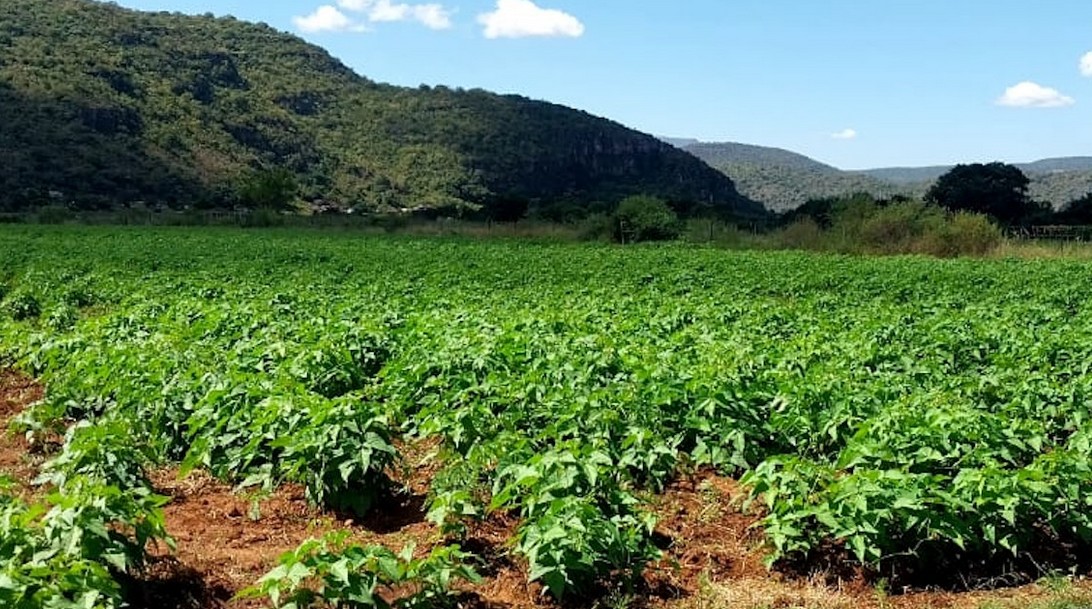
Biological fertilizers made from rhizobia can fix atmospheric nitrogen naturally, boost crop yields, improve soil health, and even survive drought conditions. Unlike chemical fertilizers, they don’t destroy soil fertility, wash away, or poison waterways. Despite this, many small-scale farmers in South Africa remain reluctant to adopt biological fertilizers. According to researchers, limited availability, widespread misconceptions, and a government support program that freely distributes chemical fertilizers are the reasons for this low uptake. At the same time, misconceptions about biological fertilizers—such as fears of poor yields—persist among farmers. To bridge this gap and transform Africa’s agricultural industry, experts advocate for better education, improved distribution, and the integration of biological fertilizers into existing support programs.
The Conversation