What You Need to Know
South Sudan is the world’s youngest nation, having gained independence in 2011 after decades of conflict. Located in East-Central Africa and anchored by the White Nile, South Sudan is defined by vast wetlands, pastoral traditions, and significant natural resources—alongside profound political and humanitarian challenges. The country is working to stabilize governance, deliver peace, and build national institutions amid ongoing transitions.
South Sudan at a Glance
Capital: Juba
Population: ~11–12 million
Official Language: English
Government: Transitional presidential republic
Economy: Oil-led with agriculture and livestock
Key Strengths: Oil reserves, fertile land, water resources
Regional Role: Upper Nile basin state with strategic importance to East Africa
Why South Sudan Matters
South Sudan matters because its stability is pivotal for peace and development across East Africa and the Nile Basin. As a major oil producer whose exports affect regional economies—and a country central to humanitarian and peacebuilding efforts—South Sudan’s trajectory has implications for Sudan, Uganda, Kenya, Ethiopia, and beyond.
Geography and Location
South Sudan is located in East-Central Africa, bordered by Sudan to the north, Ethiopia to the east, Kenya to the southeast, Uganda to the south, the Democratic Republic of Congo to the southwest, and the Central African Republic to the west.
The country’s geography is dominated by the White Nile and the Sudd—one of the world’s largest wetlands. Seasonal flooding shapes livelihoods, transport, and settlement patterns, while vast savannahs support pastoralism and wildlife.
People and Society
South Sudan has a population of approximately 11–12 million people and is ethnically diverse. Major groups include the Dinka, Nuer, Shilluk, Bari, Zande, and many others.
English is the official language, alongside widespread use of Arabic and local languages. Christianity and traditional beliefs are predominant, with strong community and clan structures shaping social life.
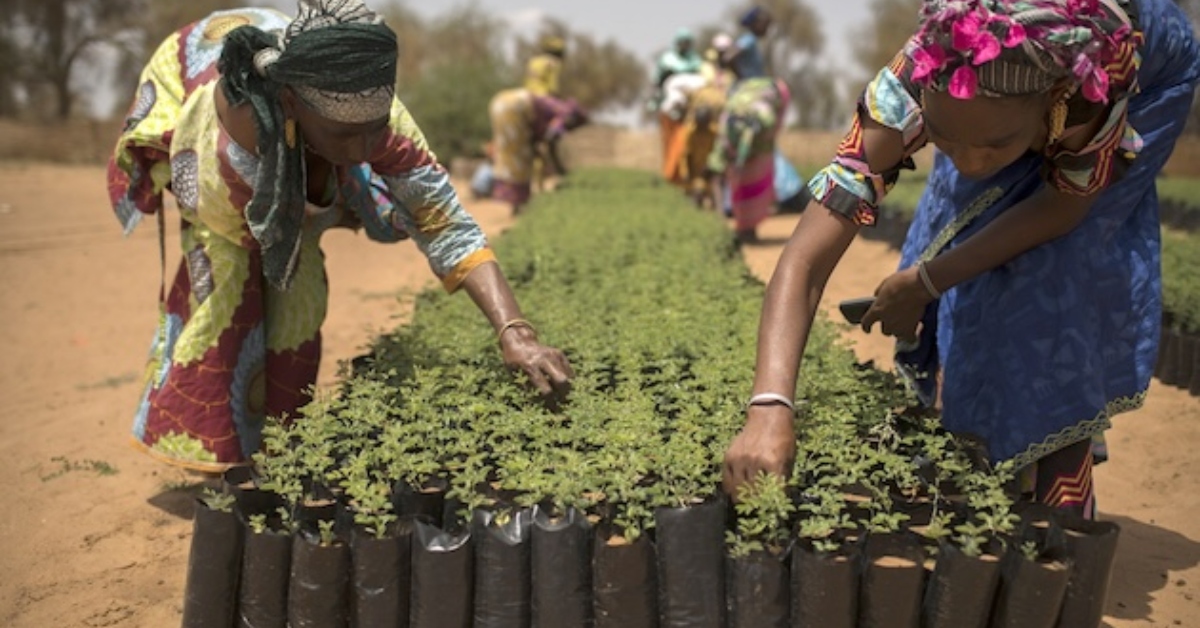
Most South Sudanese live in rural areas and depend on livestock, agriculture, fishing, and informal trade.
A Brief Historical Context
The territory that is now South Sudan was historically marginalized during colonial and post-colonial governance under Sudan. Long-running civil wars between north and south Sudan culminated in a 2005 peace agreement.
In 2011, South Sudan became an independent state following a referendum. However, internal political conflict erupted in 2013, leading to years of violence, displacement, and economic collapse. Subsequent peace agreements have reduced large-scale fighting but implementation remains fragile.
Government and Politics
South Sudan operates under a transitional political arrangement, with power-sharing between former rivals. State institutions are still developing, and governance remains constrained by security challenges, limited capacity, and economic dependence on oil.
Key priorities include implementing peace agreements, preparing for elections, and strengthening national institutions.
Economy: Oil, Agriculture, and Fragility
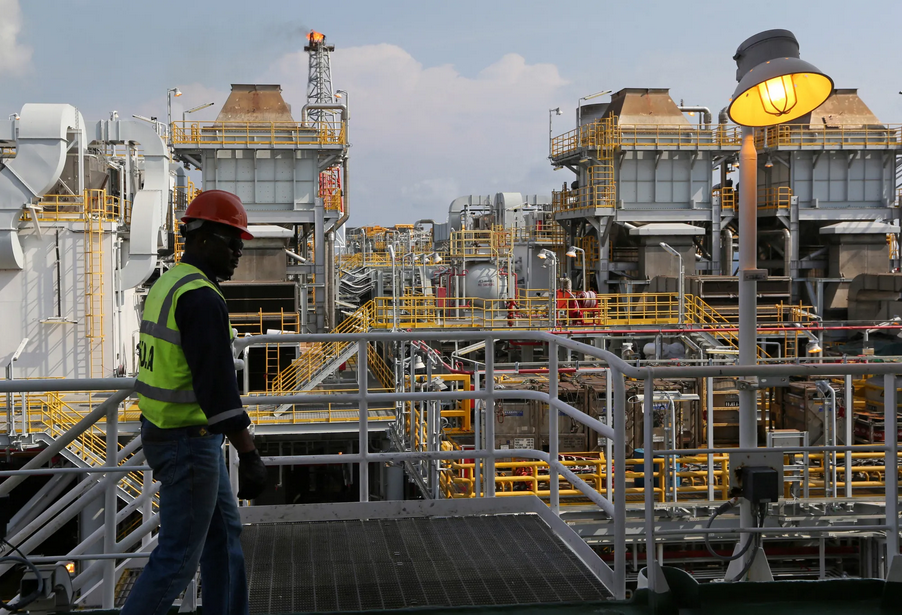
South Sudan’s economy is heavily dependent on oil, which accounts for the vast majority of government revenue and exports. Oil production and transport rely on pipelines through Sudan, creating external dependence.
Beyond oil, livelihoods are based on:
- Livestock and pastoralism
- Subsistence agriculture
- Fisheries along the Nile and wetlands
Economic development is hindered by insecurity, weak infrastructure, and limited access to markets.
Trade, Diplomacy, and Regional Influence
South Sudan is a member of the African Union and the East African Community (EAC). Regional diplomacy focuses on peace implementation, humanitarian access, and economic integration.
The country hosts one of the largest UN peacekeeping missions in the world, underscoring its international significance.
Tourism and Natural Heritage
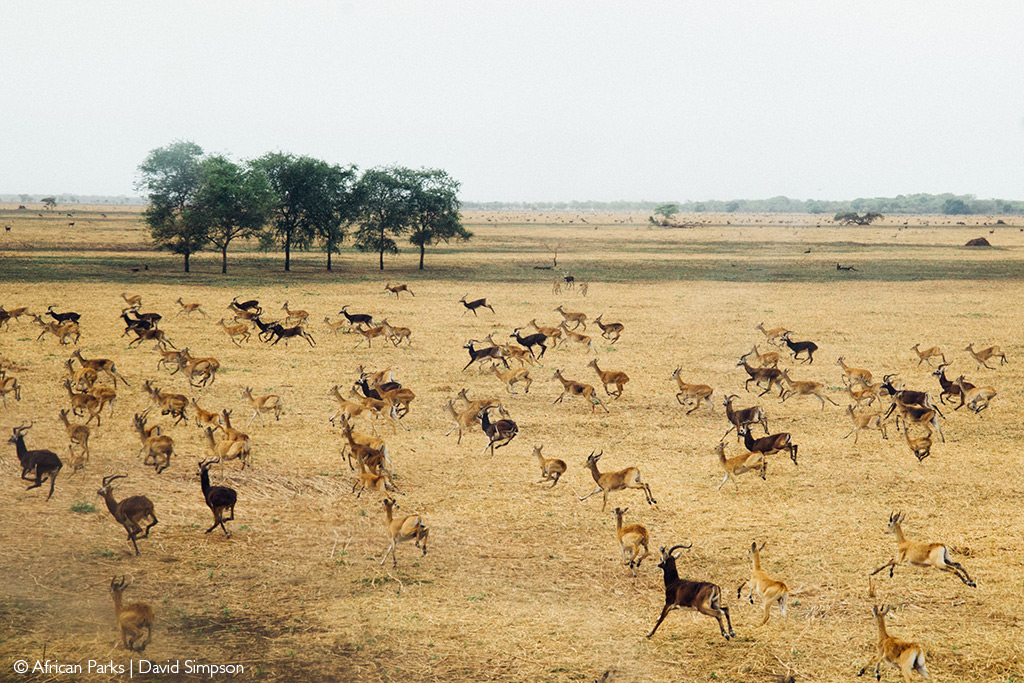

Tourism in South Sudan is currently minimal due to security and infrastructure constraints. However, the country possesses exceptional natural assets, including the Sudd wetlands and large wildlife migrations in Boma and Bandingilo national parks—among Africa’s least-known conservation areas.
Long-term eco-tourism potential depends on sustained peace and investment.
Safety and Travel Considerations
Security conditions remain challenging and vary widely by region. Most international travel advisories recommend avoiding non-essential travel. Any travel requires careful planning, local support, and up-to-date security information.
Culture and Daily Life
South Sudanese culture is deeply connected to cattle, land, and community. Music, dance, storytelling, and ceremonial life are central to identity across ethnic groups.
Daily life is shaped by subsistence livelihoods, seasonal cycles, and strong kinship networks, with resilience a defining characteristic.
Sports and National Identity
Football is the most popular sport in South Sudan and an important source of national pride, particularly among youth. Basketball has also gained visibility, symbolizing unity and aspiration for a young nation.