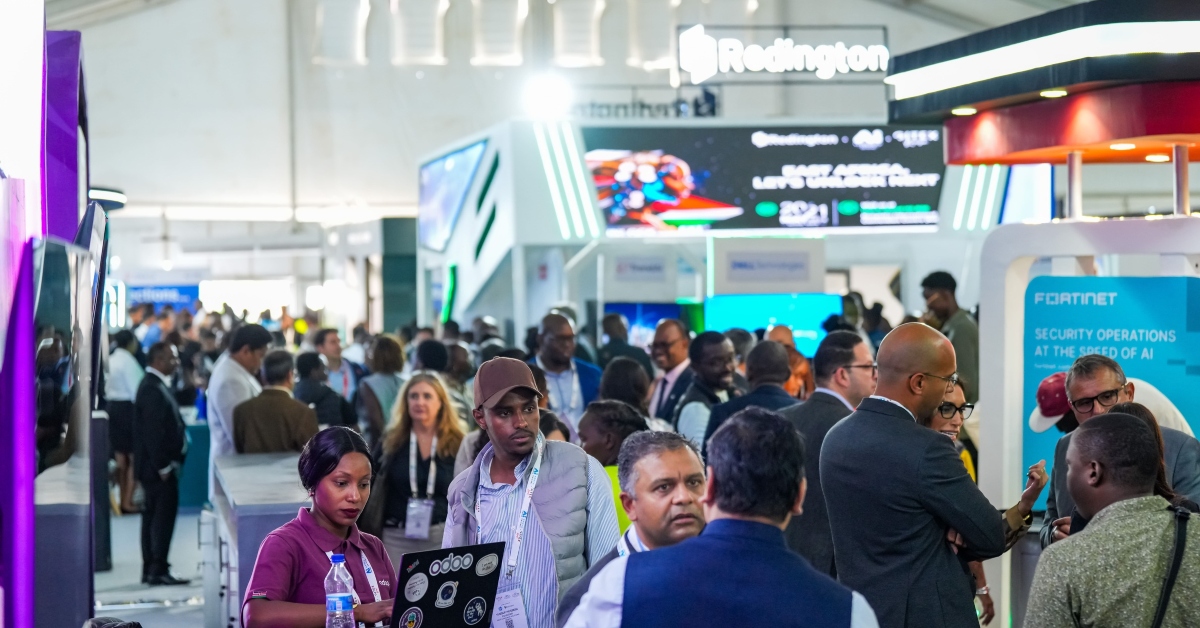
As the Kenya Mining Investment Conference and Expo (MICE) 2026 opens its doors in Nairobi today, the atmosphere is less like a trade show and more like a high-stakes diplomatic summit. The world is in the midst of a radical transition toward green energy, and the road to a net-zero future runs directly through the rich, mineral-laden soil of the African continent.
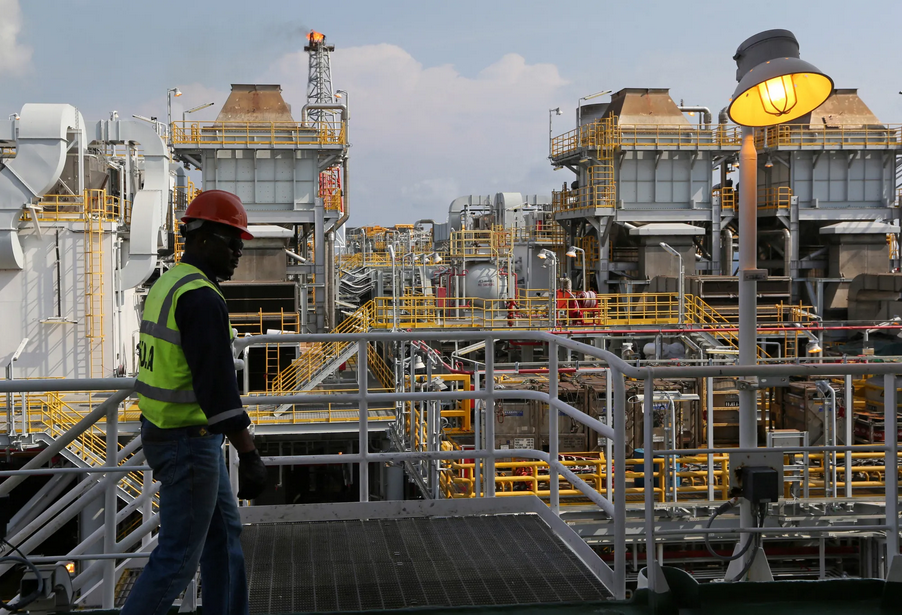
Kenya, a nation that has historically leaned on its agricultural and tourism sectors, is now stepping into the spotlight as a pivotal player in the “Critical Minerals” race. From lithium and cobalt to rare earth elements, the materials being discussed in Nairobi today are the new oil—and everyone wants a piece of the action.
The presence of a heavy-hitting delegation from the United States signals a significant shift in Western foreign policy. For years, the West was criticized for its “disengagement” while other global powers secured long-term mining concessions across Africa. Today’s discussions in Nairobi suggest that Washington is finally playing catch-up, but with a different playbook.
The focus of the US-Africa partnership being touted at MICE 2026 is “transparency and value addition.” The Kenyan government, led by a savvy Ministry of Mining, has made it clear: the days of shipping raw ore out of Mombasa to be processed elsewhere are over.
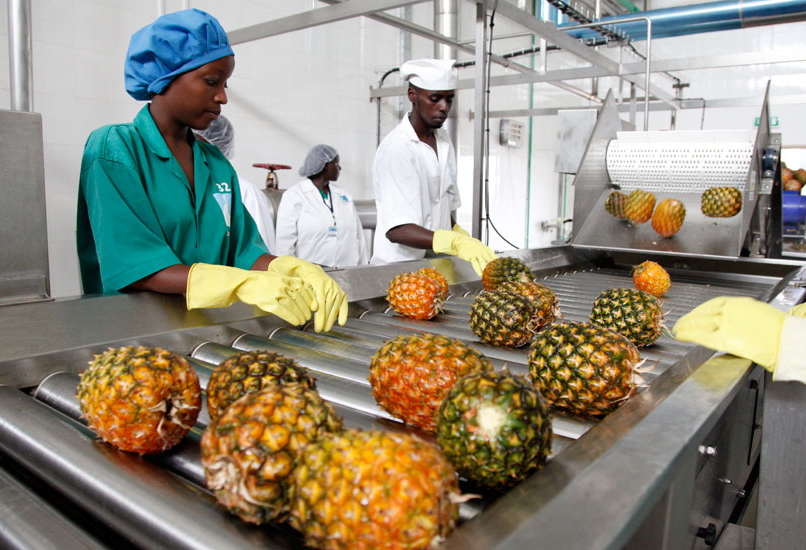
Kenya’s strategy is sophisticated. They are positioning themselves not just as a source of raw materials, but as a hub for processing and manufacturing. By demanding that value-addition happens locally, Kenya is ensuring that the “green revolution” creates Kenyan jobs and fuels Kenyan industrialization.
This is a bold move in a sector where multi-national corporations often prefer the path of least resistance. However, with the global demand for lithium batteries and electric vehicle components skyrocketing, Kenya holds the cards. If a company wants access to these critical minerals, they must play by Nairobi’s rules.
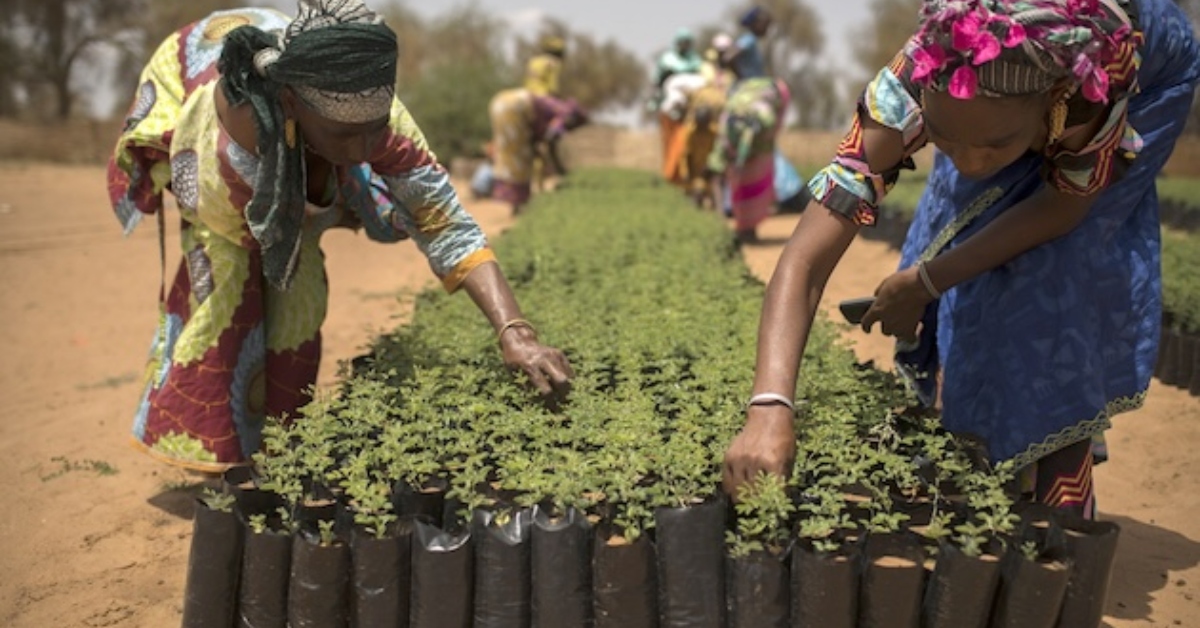
But this “New Gold Rush” is not without its risks. The seasoned journalist must ask: will the local communities in areas like Kwale and the Rift Valley actually see the benefits? The conference has dedicated significant time to Environmental, Social, and Governance (ESG) standards, a sign that the government is aware of the potential for the “resource curse.”
There is a delicate balance to be struck between attracting foreign direct investment and protecting the environment. The US delegation has emphasized that their “partnership model” is more sustainable than “predatory” alternatives, but the proof will be in the contracts signed this week.
Nairobi is currently a microcosm of the 21st-century economy. The deals being brokered in the corridors of the expo will determine who controls the supply chains of the future. As a journalist observing these shifts, it is clear that Kenya is no longer a passive observer of global trade.
By leveraging its mineral wealth, the country is transforming itself into a strategic heavyweight. The world needs what is under Kenya’s feet; Kenya is making sure the world pays a price that includes the future prosperity of its people.