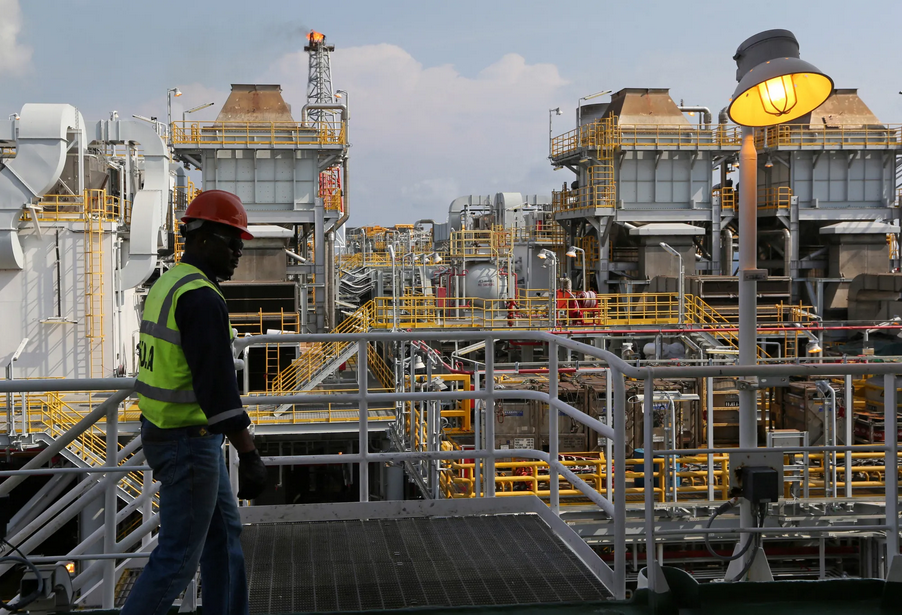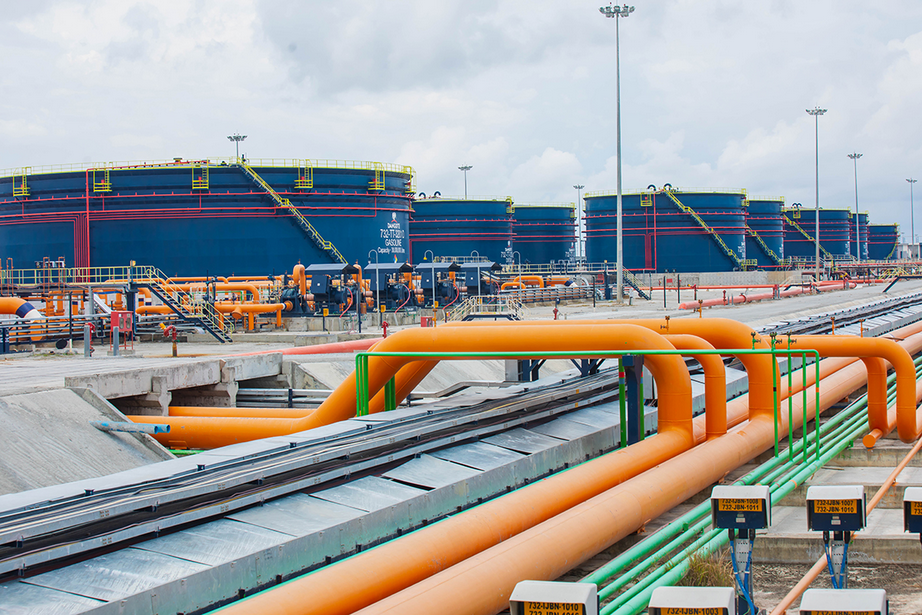
When Aliko Dangote steps onto the stage at the Nigerian Exchange next September, he won’t just be listing a company. He’ll be ringing the opening bell on Africa’s most ambitious industrial dream yet. The Dangote Refinery – the world’s largest single-train facility with a staggering 650,000 barrels-per-day capacity – is heading for what analysts are already calling the continent’s biggest IPO in history.
Serial investor Femi Otedola has already wired $100 million as a cornerstone investor, calling it “the single most important transaction Nigeria has seen in two decades.” Market watchers estimate the refinery business alone could fetch a valuation north of $25 billion, instantly catapulting Nigeria’s capital market into global focus.
For years, Nigerians have watched with frustration as the country exported crude only to import refined petrol at premium prices. That era ends now. The refinery, which began commercial production in late 2024, is already slashing fuel imports by over 70 percent according to latest NNPC data. Local diesel and jet fuel are flowing at competitive rates, and the ripple effect is palpable: truckers paying 15 percent less, manufacturers cutting energy costs, and foreign-exchange reserves getting a much-needed breather.
Dangote himself, in an exclusive interview last week, was characteristically blunt: “This isn’t about me. It’s about ending the era where Africa begs for what it can produce. The IPO will let everyday Nigerians own a piece of that future.”
Investment banks are salivating. JPMorgan and Citigroup are co-lead managers, while local powerhouse Stanbic IBTC is handling the domestic tranche. Early roadshows in London, New York, and Dubai have drawn overwhelming interest from pension funds and sovereign wealth funds hungry for exposure to Africa’s energy transition story.
The timing is perfect. Global crude prices remain elevated amid Middle East tensions, and Dangote’s ability to export surplus refined products positions Nigeria as a serious player in the regional market. Economists at the African Development Bank project the refinery could add 0.8 percentage points to Nigeria’s GDP growth annually for the next five years.
Yet the real story is jobs. Over 30,000 direct and indirect positions have already been created during construction. The IPO is expected to unlock another wave of hiring in logistics, petrochemicals, and downstream industries. Young engineers from Ahmadu Bello and Covenant universities are already being fast-tracked into specialized roles.
Challenges remain – regulatory approvals, environmental compliance, and community relations in the host state of Lagos – but Dangote’s track record of delivering (cement plants across Africa, fertilizer mega-complex) has investors betting he’ll clear every hurdle.
For the ordinary Nigerian, this IPO isn’t just another stock listing. It’s a chance to buy into the dream that Africa can finally process its own resources and keep the profits at home. As one Lagos trader put it on the floor of the Nigerian Exchange yesterday: “If Dangote pulls this off, my children will inherit an economy that actually works.”
September can’t come soon enough.