Africa’s wealthiest entrepreneurs aren’t parking their money in London penthouses or New York stocks. They’re pouring it into factories right here at home – and the ripple effects are about to be felt in every corner of the continent.
Abdul Samad Rabiu, Africa’s second-richest man and chairman of BUA Group, is now just $300 million shy of the $20 billion net-worth mark. His latest move? A massive expansion of cement and sugar production facilities across Nigeria and beyond.
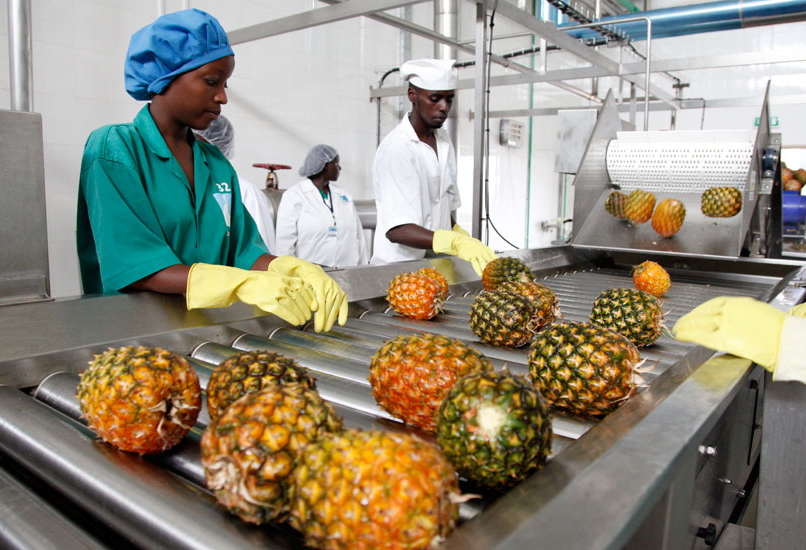
Meanwhile, East Africa’s richest man has committed $50 million to a state-of-the-art soft-drinks plant outside Nairobi – a direct challenge to global giants Coca-Cola and Pepsi. The facility will create 800 direct jobs and thousands more in the supply chain, from local fruit farmers to packaging suppliers.
These aren’t vanity projects. They’re strategic bets on Africa’s rising consumer class. With a middle class projected to reach 250 million people by 2030, smart money is moving into food, beverages, and fast-moving consumer goods.
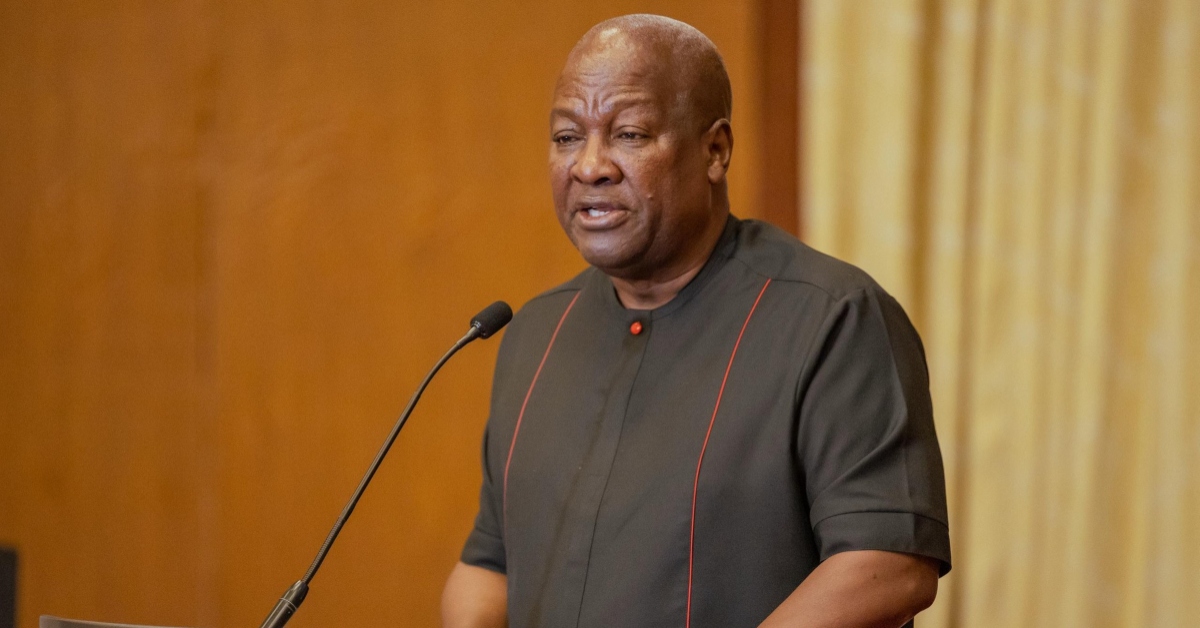
Rabiu, in a rare interview, explained his philosophy simply: “If we keep consuming what we don’t produce, we’ll never build wealth. My job is to change that equation.” His BUA Group now employs over 25,000 people directly and supports hundreds of thousands indirectly through out-grower schemes.
The Kenyan soft-drinks investment is equally visionary. The new plant will use 85 percent locally sourced ingredients and renewable energy, setting a new benchmark for sustainable manufacturing. Early orders from regional distributors have already exceeded projections.
What makes these moves powerful is the multiplier effect. Every dollar invested in local manufacturing generates three to five times that in ancillary economic activity – jobs, taxes, skills development, and reduced import bills.
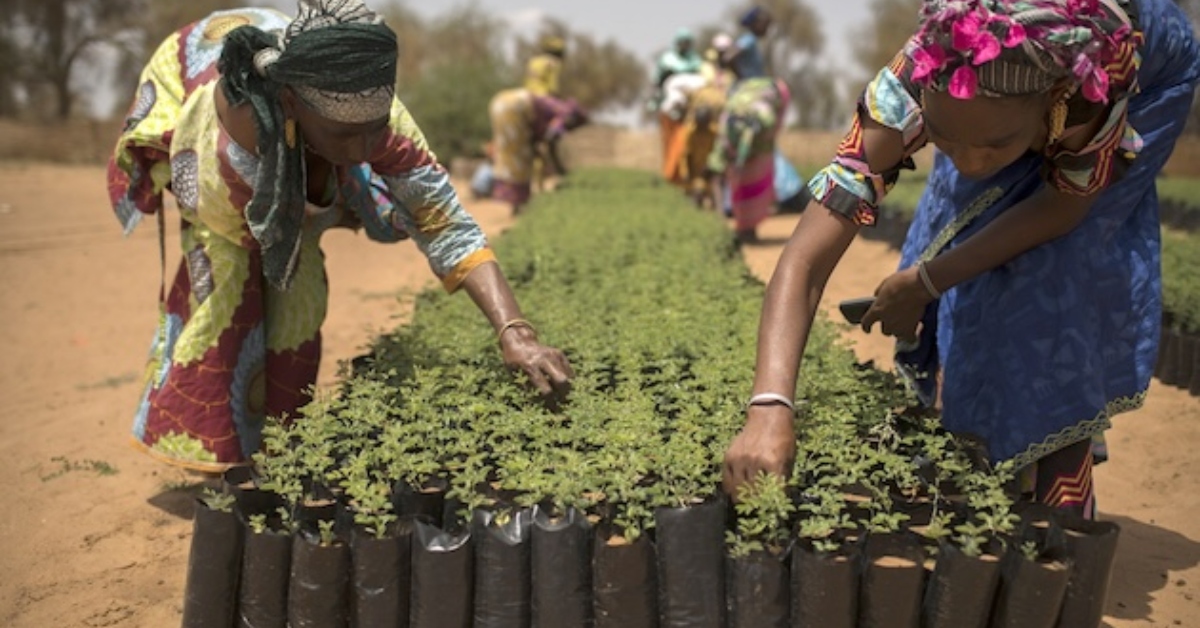
Young Africans are watching closely. University graduates are lining up for internships at these facilities, drawn by competitive salaries and genuine career ladders. Women-led cooperatives are supplying raw materials, breaking generational cycles of poverty.
Critics sometimes ask whether billionaire-led industrialization can be inclusive. The track record says yes: both Rabiu and the East African investor have built their empires on partnerships with SMEs and deliberate localization policies.
This is the new face of African capitalism – confident, homegrown, and unapologetically ambitious. As one factory worker in Kisumu told me while operating a shiny new bottling line: “My grandfather farmed for survival. My father worked for someone else. Me? I’m building the brand that will feed my children’s dreams.”
The billionaires have placed their bets. Africa is collecting the winnings.