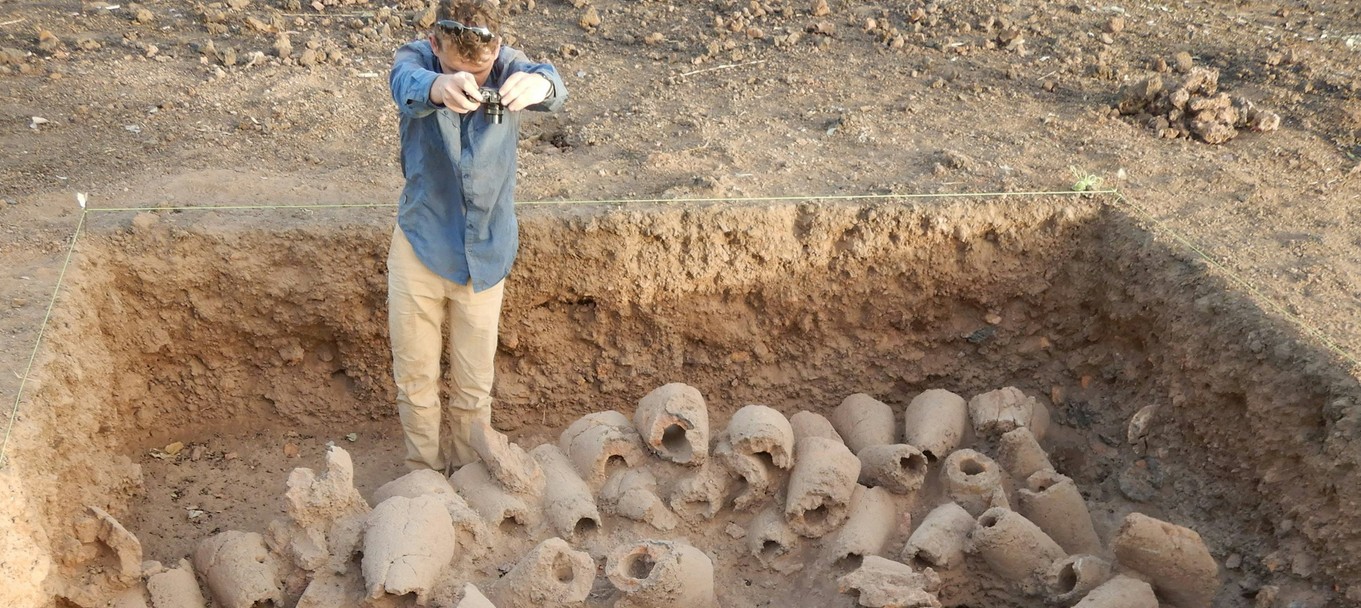
Archaeologists studying the Didé West 1 site in eastern Senegal’s Falémé Valley have uncovered evidence of a sophisticated iron-production tradition dating back more than 2,000 years. Research shows metalworkers in the valley operated furnaces between roughly 400 BCE and 400 CE, making the site one of the oldest known iron-smelting locations in Senegal. Scientists identified 35 furnace bases and distinctive production methods, including specialized clay air pipes and the use of African palm nuts to separate metal from waste material. The findings suggest iron production was conducted on a modest scale to meet local needs rather than for large-scale trade. Researchers say the discovery strengthens evidence that advanced ironworking developed early in sub-Saharan Africa and provides valuable insight into the transmission of technical knowledge across generations.
The Conversation