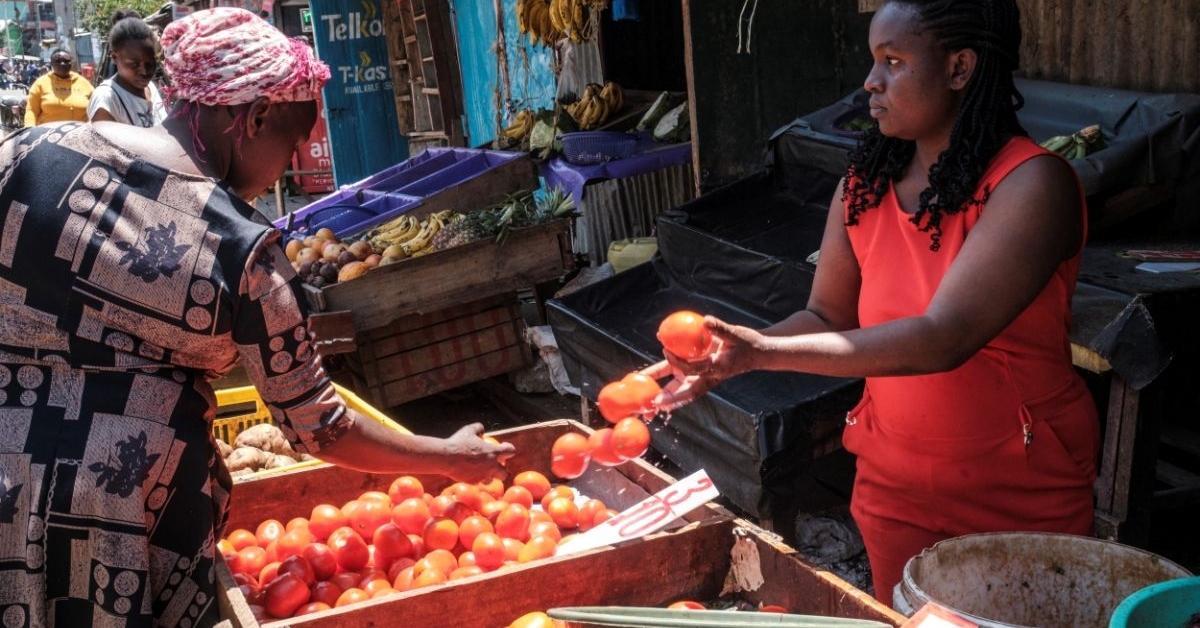
Nigeria’s economy is proving remarkably sturdy, with the World Bank confirming that its 4.2% growth forecast remains intact despite the Iran war. While the conflict and the Strait of Hormuz closure have sent global energy prices soaring, Nigeria’s business activity continues to expand, bolstered by improving external reserves and a shrinking debt-to-GDP ratio. However, risks remain. Fuel costs have surged by over 50%, threatening to reignite inflation and squeeze household incomes. The World Bank urges policymakers to maintain tight monetary policy and save oil windfalls. It’s a delicate balancing act of maintaining reform momentum while ensuring that rising transport and food costs don’t stall the nation’s path toward poverty reduction.
Nairametrics