Wednesday, June 17, 2026 - 19:44:46
Loading weather…
Latest
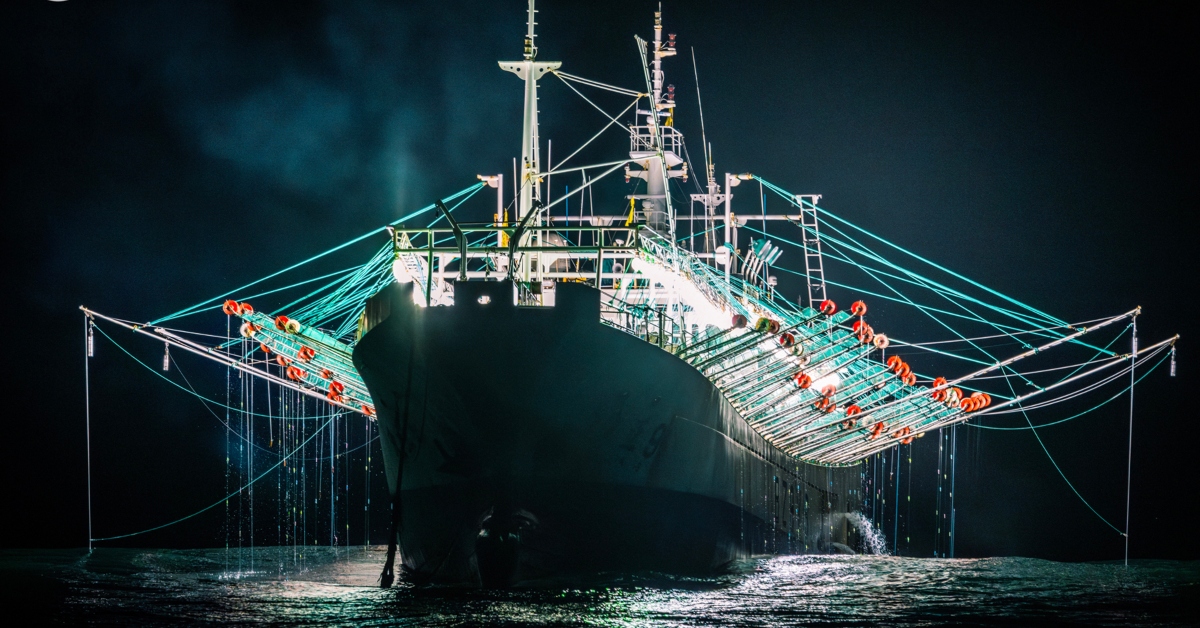
Fifteen national governments from across Africa, Asia, the Caribbean, Europe, and the Pacific today adopted the Mombasa Declaration at the 11th Our Ocean Conference, committing to advance global fisheries transparency and strengthen efforts to combat illegal, unreported, and unregulated (IUU) fishing. The Mombasa Declaration is a call to action for coastal and flag States on […]
...
The Namibia Ocean Cluster, supported by the World Economic Forum’s Ocean Action Agenda, has been created to bring together the Namibian seafood sector and allied stakeholders, with a mission of maximizing the utilization of all seafood harvested. > The Namibia Ocean Cluster was launched to maximize utilization and value of the country’s seafood. > Over […]
...
This story is written and edited by WEF Blue foods have potential to play a vital role in creating healthier, more sustainable food systems and countries across Africa look particularly well placed to benefit. The are many advantages of blue foods – animals and plants that are captured or farmed in the ocean or in freshwater. They […]
...
In December 2025, NGO WILDTRUST’s Samkelisiwe Danisa and Lauren van Nijkerk from South Africa, engaged with around 100 representatives of African states, relevant global, regional and subregional organisations and civil society, in Ethiopia at the Regional Biodiversity Beyond National Jurisdiction (BBNJ) Agreement Workshop. This gathering advanced growing engagement around the BBNJ Agreement, also known as the High […]
...
By Bradley Claassen, Operations Manager at Workforce Staffing Africa Namibia’s maritime sector is the lifeblood of its economy. The ports at Walvis Bay and Lüderitz are gateways for trade, logistics and regional connectivity and are critical not only for Namibia but for Southern Africa as a whole. At the heart of these operations are marine […]
...
By James Michel Everyone knows that small island states are on the frontline of global warming. Rising sea levels, acidification destroying fisheries and coral reefs, and changing patterns of rainfall are just some of the challenges. Some low-lying islands have already been lost to the ocean. These challenges are real and can hardly be understated. Yet […]
...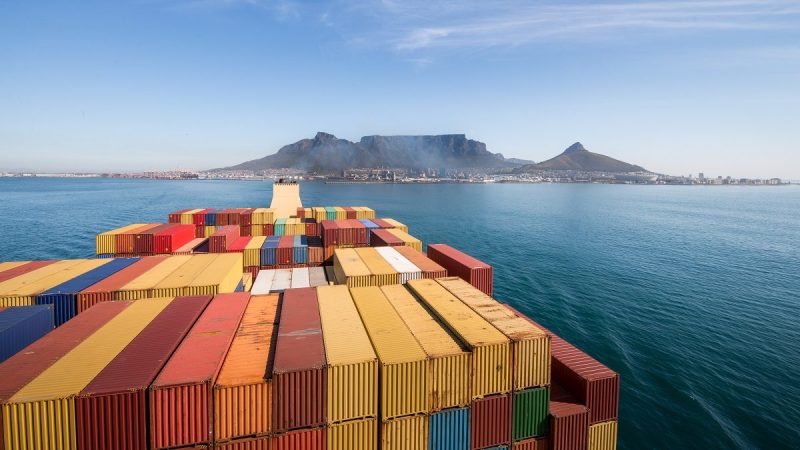
Africa is a complex continent. She is an eclectic mix of authoritarian regimes — where leaders have been in power for many decades; countries that are attempting to make their way towards democracy — even if progress is incremental and slow; and others that have had a stronger semblance of democracy for many years — […]
...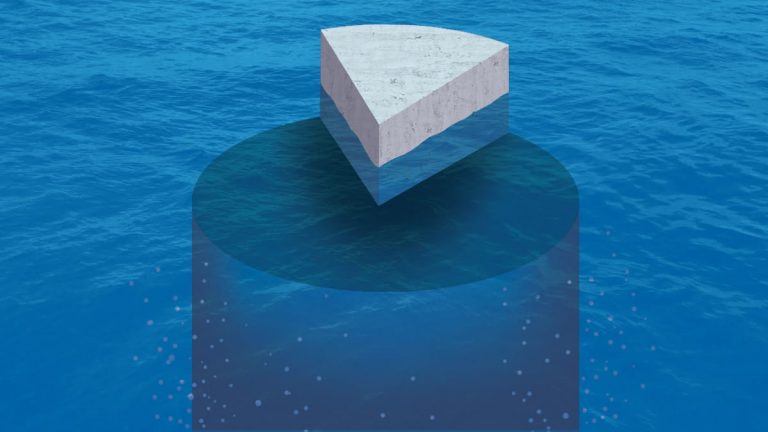
With good reason, Africa is excited over the prospects of sharing in the multi-trillion maritime industry, with the continent’s Agenda 2063 envisioning the blue economy as a foremost contributor to transformation and growth. The United Nations has described Africa’s oceans, lakes and rivers as the “new frontier of the African renaissance”. The Blue Economy conference […]
...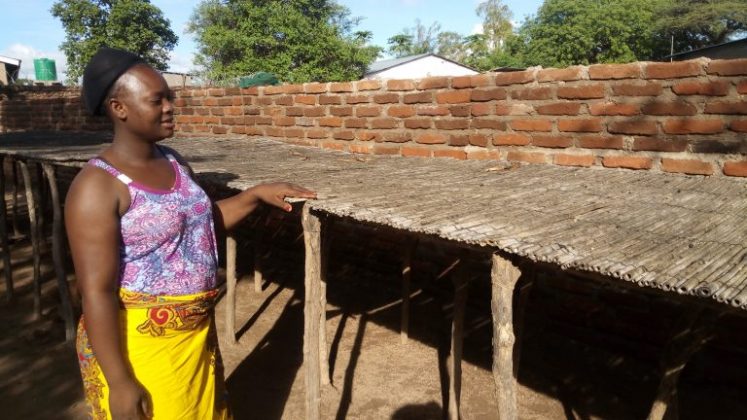
Lake Malawi, Africa’s third largest lake, provides an economic lifeline to many fishing families. But overfishing is affecting many of these lives, with women being affected the most. The lake, also known as Lake Nyasa in Tanzania and Lago Niassa in Mozambique, has the largest number of endemic fish species in the world — 90 […]
...An increasing number of African countries are now embracing the blue economy for its potential to deliver solutions to their most pressing development needs–particularly extreme poverty and hunger. Countries, including Kenya, Tanzania, South Africa, Mauritius, Comoros, Madagascar and the Seychelles–which has already established the Ministry of Finance, Trade and the Blue Economy–are recognising the need […]
...